

Anticholinergic Risk Calculator
Compare Your Antihistamine
Select your antihistamine to see its anticholinergic risk level and dementia implications according to the Anticholinergic Cognitive Burden (ACB) scale.
Your Selection:
For years, many older adults have reached for over-the-counter antihistamines like Benadryl to help with allergies, colds, or trouble sleeping. It’s cheap, easy to find, and seems harmless. But what if taking it every night for years could be quietly affecting your brain? New research is raising serious questions about the long-term use of certain antihistamines and their link to dementia.
Not All Antihistamines Are the Same
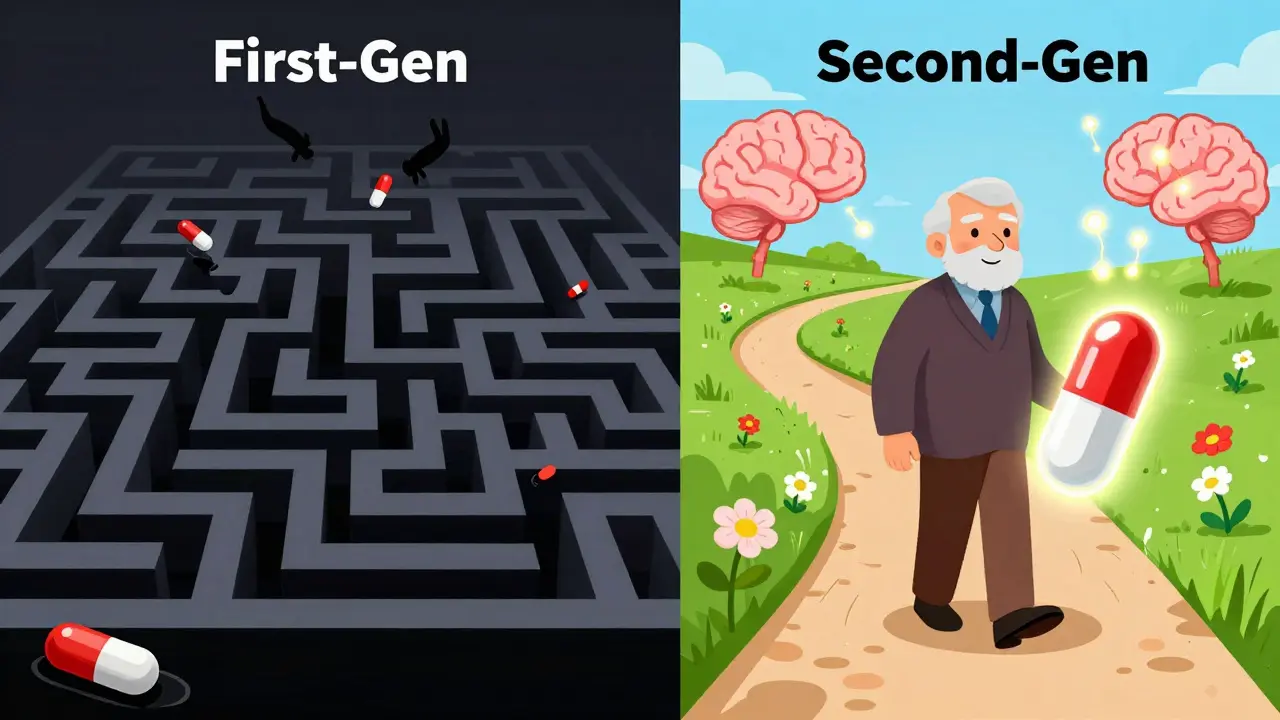
There are two main types of antihistamines: first-generation and second-generation. The difference isn’t just about price or brand - it’s about what they do inside your brain.First-generation antihistamines - like diphenhydramine (Benadryl), doxylamine (Unisom), and chlorpheniramine - cross the blood-brain barrier. Once inside, they block acetylcholine, a key chemical your brain uses to form memories and stay alert. This is why they make you drowsy. But that same effect can be dangerous over time.
Second-generation antihistamines - such as loratadine (Claritin), cetirizine (Zyrtec), and fexofenadine (Allegra) - are designed differently. They barely enter the brain. They work just as well for allergies, but without the strong anticholinergic punch. That’s why experts now say these are the safer choice for older adults.
The Evidence: Mixed, But Cautious
A major 2015 study in JAMA Internal Medicine followed over 3,400 people over age 65 for 10 years. It found that those who took strong anticholinergic drugs - including some antihistamines - had a higher risk of dementia. That study helped spark a wave of concern.But later research painted a more complicated picture. A 2022 study of nearly 9,000 older adults found that while people taking first-gen antihistamines had slightly higher dementia rates (3.83%) compared to those on second-gen (1.0%), the difference wasn’t statistically significant. In other words, it could have been due to chance. Another 2019 study looked at over 100,000 people and found no increased dementia risk from antihistamines alone - but did find clear links with antidepressants and bladder medications.
Then there’s the problem of confounding factors. Many people who take diphenhydramine nightly do so because they have insomnia. And poor sleep itself is linked to cognitive decline. So is the medication causing the problem - or is it the underlying sleep disorder?
A 2023 analysis of UK Biobank data found that when researchers adjusted for sleep issues, the link between antihistamine use and dementia disappeared. That suggests the real issue might be untreated insomnia, not the drug.
Why Experts Still Say: Avoid First-Gen
Despite the mixed evidence, major medical groups are still warning against first-generation antihistamines in older adults.The American Geriatrics Society’s 2023 Beers Criteria - the gold standard for safe prescribing in seniors - lists diphenhydramine and doxylamine as drugs to avoid in people over 65. They give this rating a Level A evidence strength, meaning the warning is based on strong, consistent data.
Why? Because even if the dementia link isn’t proven beyond doubt, the risks are real. First-gen antihistamines can cause confusion, dizziness, urinary retention, and falls. These aren’t minor side effects. In older adults, a single fall can lead to a broken hip, hospitalization, and a rapid decline in health.
The Anticholinergic Cognitive Burden Scale (ACB) rates diphenhydramine as a level 3 - the highest possible risk. Fexofenadine and loratadine? Level 0. No risk.
What About Sleep? The Real Problem
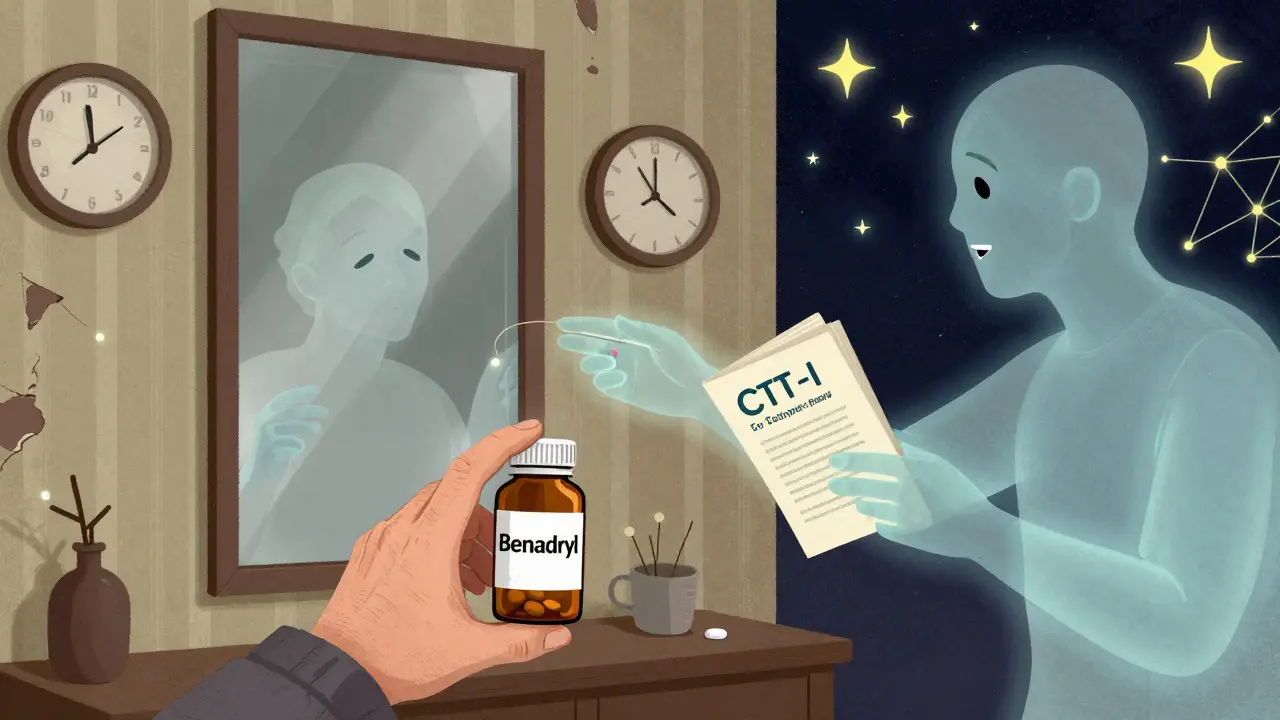
The biggest reason older adults take Benadryl isn’t allergies - it’s sleep. One 2022 survey found that 42% of adults over 65 use OTC antihistamines nightly to fall asleep. And 78% had no idea these drugs carry anticholinergic risks.But here’s the truth: antihistamines aren’t good sleep aids. They don’t improve sleep quality. They just make you drowsy. Over time, your brain adapts. You need more to get the same effect. And you lose the natural sleep cycles that restore memory and clear brain toxins.
There are better options. Cognitive Behavioral Therapy for Insomnia (CBT-I) is proven to work better than any pill for long-term sleep improvement. Studies show it helps 70-80% of older adults. The problem? It’s hard to get. Therapists are scarce, and Medicare pays only $85-$120 per session. Many doctors don’t even mention it.
There are also prescription alternatives with low anticholinergic risk, like low-dose doxepin (Silenor), which has an ACB score of 1 - barely any risk. But it’s expensive and not always covered.
What Should You Do?
If you or a loved one is taking diphenhydramine or doxylamine regularly, here’s what to do:- Don’t stop cold turkey. Sudden withdrawal can cause rebound insomnia or anxiety.
- Talk to your doctor or pharmacist. Ask: "Is this drug still necessary? Is there a safer alternative?"
- Switch to a second-generation antihistamine if you need allergy relief - Claritin or Zyrtec are just as effective.
- If you’re using it for sleep, ask about CBT-I. Even a few sessions can change your sleep habits for good.
- Review all medications every 6 months. Many seniors take 5-10 pills daily. Some are no longer needed.
There’s no magic bullet. But small changes - like swapping Benadryl for Zyrtec or asking for a sleep therapist - can make a big difference over time.
The Bigger Picture
Sales of first-gen antihistamines have dropped 24% since 2015, while second-gen sales have grown by nearly 20%. That’s because awareness is rising. The FDA added dementia warnings to prescription anticholinergics in 2021. The European Medicines Agency now requires patient leaflets to mention "potential long-term cognitive effects." But over-the-counter products? Still no clear warnings beyond "may cause drowsiness." That’s a gap. People trust OTC drugs. They think, "If it’s sold on the shelf, it must be safe." But safety isn’t about availability - it’s about long-term impact.For older adults, the goal isn’t just to avoid dementia. It’s to stay independent, mobile, and alert. A few simple swaps in your medicine cabinet could help you keep your memory - and your freedom - for years longer.
Can Benadryl cause dementia?
Benadryl (diphenhydramine) is a first-generation antihistamine with strong anticholinergic effects. While no single study proves it directly causes dementia, long-term use is linked to higher risk in observational studies. Medical guidelines strongly advise against it for older adults because of its impact on memory, balance, and cognition. Safer alternatives exist.
Are second-generation antihistamines safe for seniors?
Yes. Second-generation antihistamines like loratadine (Claritin), cetirizine (Zyrtec), and fexofenadine (Allegra) have minimal to no anticholinergic activity. They don’t cross the blood-brain barrier significantly and are considered safe for long-term use in older adults. They’re the preferred choice for allergy relief in people over 65.
Is it safe to take Benadryl occasionally?
Taking Benadryl once in a while - like for a bad allergic reaction or a single night of travel - is unlikely to cause harm. The concern is chronic use: daily or near-daily use over months or years. That’s when anticholinergic burden builds up and may affect brain health.
What are the signs of anticholinergic side effects?
Common signs include dry mouth, blurred vision, constipation, urinary retention, confusion, memory lapses, dizziness, and increased risk of falls. If an older adult starts showing these symptoms after starting a new medication, it’s worth reviewing all their drugs with a pharmacist or doctor.
What’s the best alternative to Benadryl for sleep?
The best long-term solution is Cognitive Behavioral Therapy for Insomnia (CBT-I), which has been shown to improve sleep in 70-80% of older adults. For short-term help, melatonin (3-5 mg) or low-dose doxepin (Silenor) are safer than antihistamines. Always talk to a doctor before starting any new sleep aid.
How often should seniors review their medications?
At least every six months. Many older adults take medications prescribed years ago for conditions that no longer exist. A regular medication review - ideally with a pharmacist - can help remove unnecessary drugs, reduce side effects, and lower anticholinergic burden.
Final Thoughts
It’s easy to dismiss a little blue pill as harmless. But when you’re taking it every night for years, it’s not just a sleep aid - it’s a daily dose of a drug that slows down your brain’s communication system. The science isn’t perfect, but the warnings from top medical groups are clear: avoid first-gen antihistamines in older adults.There are better ways to manage allergies. There are better ways to sleep. And choosing them now might mean more clarity, more independence, and more years of remembering your grandchildren’s names - not just reaching for the bottle when you can’t sleep.



Abby Polhill
December 22, 2025 AT 19:26Let’s be real - the anticholinergic burden scale isn’t just some academic curiosity. Level 3? That’s not ‘might cause drowsiness,’ that’s ‘your brain’s WiFi is on 2G.’ I’ve seen elderly patients on Benadryl nightly turn into confused zombies by week three. No wonder their families think they’re ‘just getting old.’ It’s not aging - it’s pharmacology. And the fact that pharmacies still sell this like candy? Criminal negligence.
Lindsey Kidd
December 24, 2025 AT 06:27My grandma switched from Benadryl to Zyrtec last year after her pharmacist flagged it 🙌 Now she’s sleeping better AND remembering where she put her glasses. No more midnight wandering. No more ‘who’s that man?’ moments. I wish someone had told us sooner - this should be on every OTC bottle. #BrainHealthMatters
Austin LeBlanc
December 24, 2025 AT 22:23Oh please. You’re all acting like diphenhydramine is LSD. People have been taking this for decades. If you’re worried about dementia, maybe stop drinking diet soda and staring at your phone for 12 hours a day. Also, CBT-I? That’s a luxury for people who don’t work two jobs and have three grandkids. Real people need something that works NOW, not some therapist who charges $150 an hour to tell them to ‘sleep hygiene.’
Aurora Daisy
December 25, 2025 AT 12:31Oh, so now we’re blaming British-style anticholinergics for American dementia? Brilliant. Let’s also blame the NHS for not banning sugar. The real issue? You Americans treat medicine like a vending machine. You don’t want to fix your sleep? Fine. But don’t cry when the pill you’ve been popping like candy turns your brain into mush. We had this conversation in the UK in the 90s. You’re just late to the party.
Isaac Bonillo Alcaina
December 26, 2025 AT 22:27There is a critical distinction between correlation and causation that is being systematically ignored. The 2022 study you cite explicitly states that the association between first-generation antihistamines and dementia was not statistically significant (p = 0.12). Yet you continue to propagate fear based on observational data riddled with confounding variables - primarily insomnia, polypharmacy, and socioeconomic status. This is not science; it’s alarmism dressed in clinical jargon.
Harsh Khandelwal
December 28, 2025 AT 19:26Bro, I think Big Pharma is behind this whole thing. They want you to buy Zyrtec because it costs $30 a bottle, but Benadryl is only $5. They got the FDA to scare you so you’d buy their fancy pills. Also, sleep? Nah. I think aliens are stealing our REM cycles. That’s why I still take Benadryl. And my cat says it’s fine. 🐱
Delilah Rose
December 29, 2025 AT 18:53I’ve been thinking about this a lot since my dad started taking Claritin instead of Unisom. He’s 72, and for years he blamed his memory lapses on stress - but honestly, it was the doxylamine. He’d wake up groggy, forget names, and once tried to pay for coffee with a credit card he didn’t own. Switching wasn’t easy - he had insomnia for weeks - but after three months of CBT-I, he’s sleeping better than he has since the 2000s. It’s not just about swapping pills; it’s about relearning how to rest. And honestly, that’s harder than we admit. We’ve been conditioned to numb our problems instead of fixing them.
Spencer Garcia
December 31, 2025 AT 17:02Switch to Zyrtec. Talk to your pharmacist. If you’re using it for sleep, ask for CBT-I. Done.
Bret Freeman
January 1, 2026 AT 01:31THIS IS WHY WE CAN’T HAVE NICE THINGS. People think they’re smart because they read a medical article and now they’re lecturing their grandparents. My mom’s been taking Benadryl since 1998. She’s sharp as a tack. She remembers every birthday, every story, every damn detail. You think a little diphenhydramine is gonna take that away? Nah. It’s the loneliness. It’s the isolation. It’s the fact that no one talks to her anymore. But sure, let’s blame the pill. Easy fix. Meanwhile, her kids are too busy scrolling TikTok to notice she’s crying herself to sleep every night - and you want to take away the only thing that lets her rest? Pathetic.
Blow Job
January 1, 2026 AT 04:17Man, I used to take Benadryl every night for years. Didn’t even know it was a thing. Then my aunt got hospitalized after a fall - turns out her meds were a mess. I got her on a med review, switched her to Allegra, and now she’s hiking again. I wish I’d known sooner. You don’t need to be a genius to get this - just listen to your pharmacist. They’re the real MVPs.