Imagine walking out of a doctor’s office with a new prescription. You hand it to the pharmacist, who types it in, hands you the bag, and sends you on your way. It sounds simple, right? But behind that counter is a complex safety net working overtime to keep you from taking the wrong dose, the wrong drug, or a dangerous combination. In fact, pharmacists are the last line of defense between a potential mistake and patient harm.
The stakes are high. According to the Agency for Healthcare Research and Quality (AHRQ), medication errors affect about 1.5 million people annually in the United States alone. That’s not just a statistic; that’s real people facing hospitalizations, permanent injury, or worse. The good news? Pharmacists prevent an estimated 215,000 of these errors every year through vigilant review processes. They aren’t just pill counters; they are clinical experts trained to spot discrepancies that others might miss.
The Human Firewall: Why Technology Isn't Enough
We live in an age of digital health. Electronic prescribing systems have largely eliminated the nightmare of illegible handwriting, reducing those specific errors by 95%. Barcode scanning cuts dispensing mistakes by half. So, why do we still need human pharmacists?
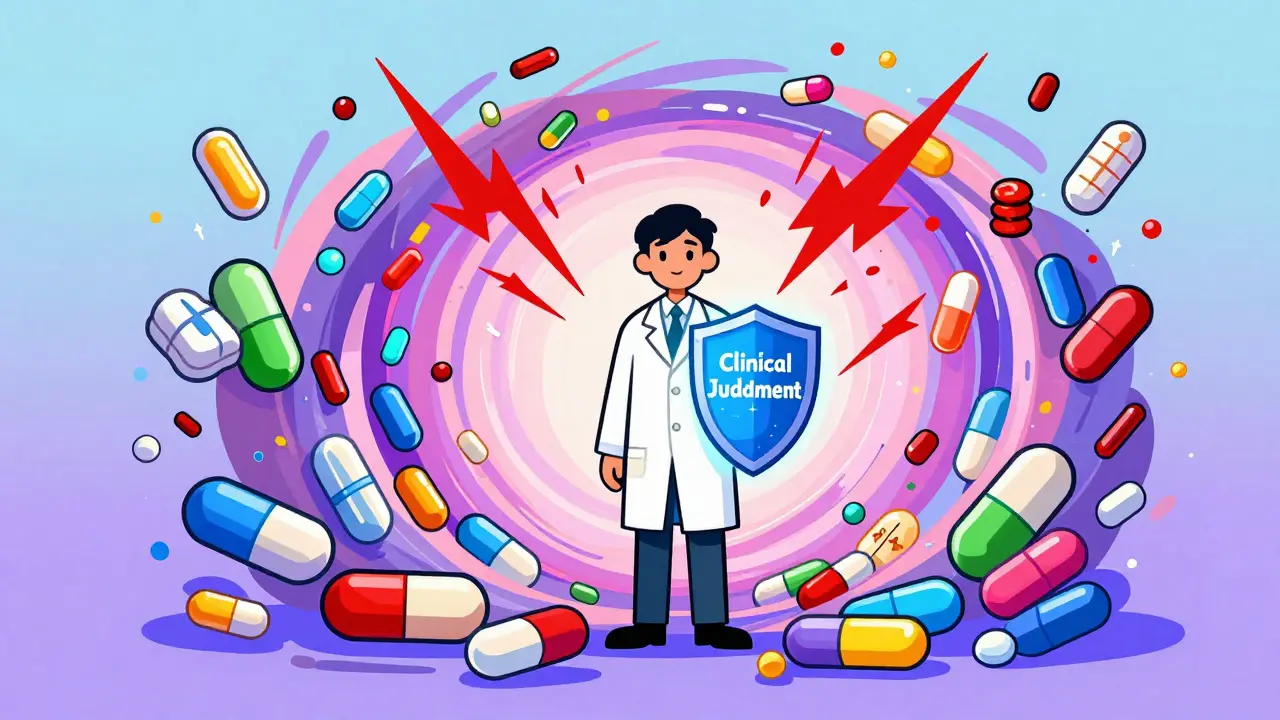
Because technology has blind spots. Algorithms can flag interactions, but they can’t understand context. A computer might see two drugs that technically interact and raise a red flag, but a pharmacist knows if that interaction is clinically significant for *you*, given your kidney function, age, or other conditions. This is called clinical judgment.
Studies show that while computerized provider order entry (CPOE) systems reduce errors by 17-25%, adding pharmacist review boosts error detection rates to 45-65%. The human element catches what the machine misses. Dr. Gordon Schiff from Brigham and Women's Hospital puts it bluntly: pharmacists catch errors originating from prescriber mistakes, transcription errors, and system failures that no single piece of software can fully resolve.
| Method | Error Reduction Rate | Key Limitation |
|---|---|---|
| Computerized Order Entry (CPOE) | 17-25% | Cannot interpret clinical context |
| Barcode Scanning | 51% | Only works at point of administration |
| Pharmacist Review + Tech | 45-65% | Dependent on staffing levels |
| Interdisciplinary Team | 52% | Requires coordination overhead |
How Pharmacists Spot Errors: The Daily Process
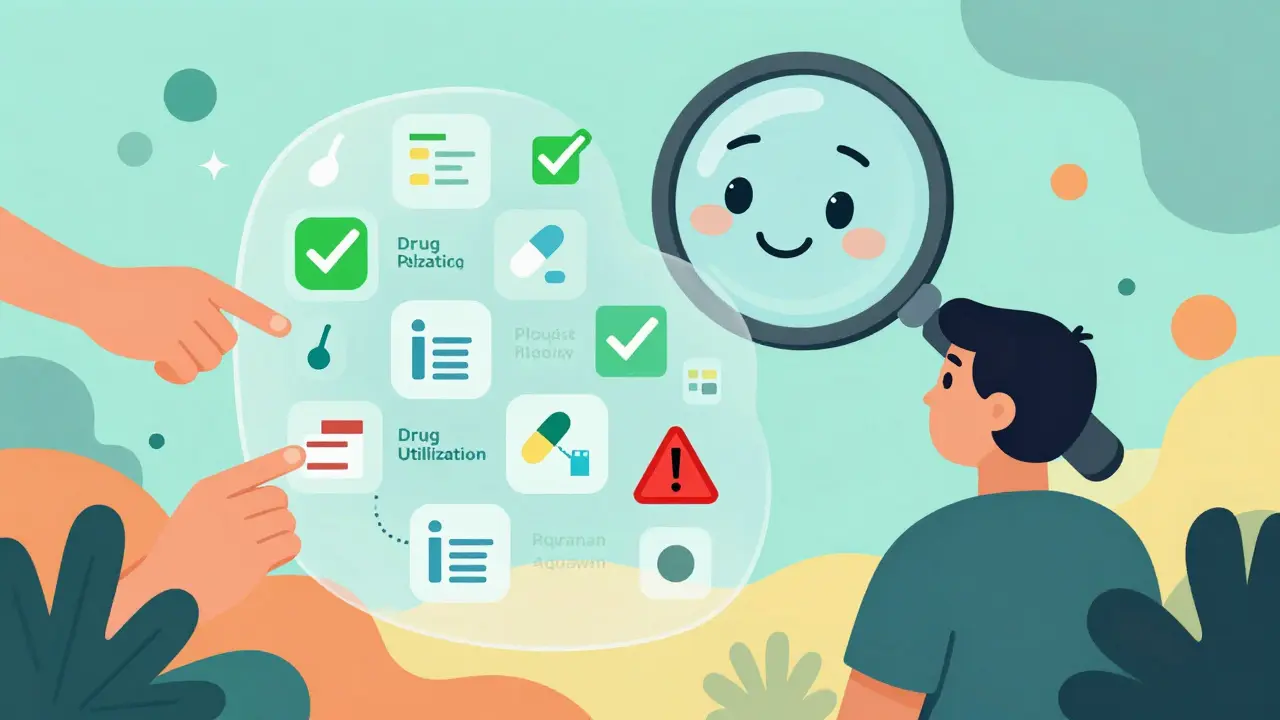
So, what exactly does a pharmacist look for when they pick up your script? It’s a systematic process known as Drug Utilization Review (DUR). Here is the breakdown of their mental checklist:
- Dosage Verification: Is the dose appropriate for your weight, age, and condition? For example, a standard adult dose of antibiotics might be toxic for an elderly patient with reduced kidney function.
- Drug-Drug Interactions: Are you already taking something that clashes with this new medication? Combining certain blood thinners with anti-inflammatories can cause life-threatening bleeding.
- Allergy Checks: Does your profile list an allergy to penicillin, and did the doctor prescribe amoxicillin? This happens more often than you’d think.
- Duplicate Therapy: Did you get prescribed two different brands of the same generic drug because you visited two different specialists?
In hospital settings, this process intensifies during "medication reconciliation." When you’re admitted, clinical pharmacists compare your home medications with what the hospital intends to give you. They identify an average of 2.3 medication discrepancies per patient during this admission process alone. These could be missed doses, incorrect strengths, or unnecessary continuations of drugs that should have been stopped.
The Role of Pharmacy Technicians: The First Line of Defense
Pharmacists don’t work in a vacuum. In community pharmacies, pharmacy technicians are the "first line of defense." They perform the initial data entry and physical verification of the drug. Using systematic strategies like checking National Drug Codes against prescriptions, technicians can reduce dispensing errors by up to 63% before the pharmacist even sees the bag.
This "double-check" system is vital. In many setups, technicians catch issues related to confusing drug names (like Celebrex vs. Celexa) or sound-alike medications. However, the pharmacist performs the final clinical review. While technicians focus on accuracy of the product, the pharmacist focuses on the appropriateness of the therapy for the patient.
Real-World Impact: Stories from the Field
Data is compelling, but stories stick. Consider a case documented in healthcare reviews where a pharmacist caught a 10-fold dosing error on a warfarin prescription. Warfarin is a potent blood thinner. A tenfold overdose would have likely caused severe internal bleeding. The pharmacist noticed the decimal point was misplaced, contacted the prescriber, and corrected it. No harm done.
Conversely, the limitations of the system are real. In resource-constrained environments, such as some low-income countries or understaffed clinics, error reduction rates drop significantly. A 2022 study showed that when pharmacist-to-patient ratios exceed 1:500, error prevention effectiveness plummets to just 15%. Burnout and workflow pressure also play a role. Discussions among pharmacy staff reveal that rushing due to high volume can lead to even experienced professionals missing subtle errors.
Challenges in the Modern Pharmacy
It’s not all smooth sailing. One major hurdle is "alert fatigue." Clinical decision support systems send out warnings for potential interactions. However, pharmacists override 49% of these alerts because they are deemed irrelevant or too frequent. If every warning screams "emergency," none of them stand out. To combat this, modern systems are moving toward tiered alerts, prioritizing only high-severity interactions, which has helped reduce override rates to 28%.
Another challenge is communication. Resolving a potential error requires calling the doctor. This isn’t always easy. Pharmacists must balance being assertive about safety with maintaining a collaborative relationship with prescribers. On average, a pharmacist spends 2.7 hours weekly just resolving these potential medication errors. Documentation quality also varies; hospital systems score higher on error reporting (4.2/5) compared to independent community pharmacies (2.8/5), suggesting a gap in systemic learning in smaller practices.
The Future: AI and Expanded Roles
Where is this heading? Artificial Intelligence is stepping in to help. New AI-assisted error detection systems prioritize high-risk prescriptions for pharmacist review, reducing cognitive load by 35% while maintaining 98% error detection accuracy. This means pharmacists can spend less time sifting through false alarms and more time on complex cases.
Legally, the role is expanding too. As of July 2023, 27 U.S. states have enacted collaborative practice agreements allowing pharmacists to independently adjust medications in certain high-error scenarios without waiting for a doctor’s direct order. This speeds up correction times and improves outcomes. Analysts predict a 22% increase in dedicated medication safety pharmacist positions by 2026, driven by the economic reality that pharmacist interventions save an estimated $2.7 billion annually in healthcare costs.
What You Can Do to Help
You are part of this safety loop. Here is how you can help your pharmacist catch errors:
- Keep a List: Bring a complete list of all medications, supplements, and over-the-counter drugs to every appointment.
- Ask Questions: If a new pill looks different or the dose seems off, ask. Pharmacists expect these questions.
- Use One Pharmacy: Consolidating your prescriptions in one place allows the pharmacist to see your full history and spot duplicates or interactions.
- Report Side Effects: Tell your pharmacist if a drug makes you feel weird. It might be an interaction they weren’t aware of.
The pharmacist’s role is evolving from dispenser to guardian. By understanding their critical function, you can better appreciate the safety net woven around your health. It’s not just about getting medicine; it’s about getting the *right* medicine, safely.
How do pharmacists catch medication errors?
Pharmacists use a multi-step process including Drug Utilization Review (DUR), which checks for dosage appropriateness, drug-drug interactions, allergies, and duplicate therapies. They also perform medication reconciliation during hospital admissions to ensure continuity of care. This clinical judgment complements technological tools like barcode scanners and electronic prescribing systems.
Can technology replace pharmacists in preventing errors?
No. While technology like CPOE and barcode scanning reduces specific types of errors (e.g., handwriting issues), it lacks clinical context. Studies show that combining technology with pharmacist review increases error detection rates to 45-65%, whereas standalone tech achieves only 17-25%. Pharmacists interpret alerts based on individual patient factors that algorithms cannot fully assess.
What is the most common type of prescription error?
Prescribing errors are among the most common, often involving incorrect dosages, inappropriate drug selection, or failure to account for drug interactions. In hospital settings, physicians were responsible for nearly 50% of detected errors in one study, followed closely by nursing administration errors. Dispensing errors in community pharmacies are less frequent due to robust double-check systems.
Why is medication reconciliation important?
Medication reconciliation ensures that a patient's medication record is accurate across different care transitions, such as moving from home to hospital. Discrepancies here-like missed doses or continued unnecessary meds-are a major source of adverse events. Pharmacists identify an average of 2.3 discrepancies per patient during admission, preventing potential harm.
How much do pharmacist interventions save in healthcare costs?
Pharmacist interventions generate significant economic value. Preventing a single medication error saves an estimated $13,847 in healthcare costs. Annually, pharmacist-led services prevent approximately $2.7 billion in costs associated with medication errors, making them a cost-effective component of the healthcare system.