
Imagine being told you have cancer. The fear is immediate, but so is the physical reality. For many, the disease brings a constant, grinding ache that makes sleeping impossible and simple tasks like showering feel like climbing a mountain. This is where palliative care steps in. It is not just about end-of-life; it is a specialized medical approach focused on relieving symptoms and stress from serious illness. Its primary goal? To improve your quality of life for both you and your family.
There is a common myth that palliative care means giving up. That could not be further from the truth. In fact, studies show that integrating specialty palliative care early-within eight weeks of diagnosis-can actually extend survival by an average of 2.5 months in metastatic cases while significantly boosting daily well-being. This article breaks down how modern protocols manage pain, the specific tools doctors use, and why your voice matters most in this process.
Understanding the Core Mission of Palliative Care
To understand how pain is controlled, we first need to define what palliative care actually does. Unlike curative treatment, which aims to eliminate the disease, palliative care aims to eliminate suffering. It addresses physical symptoms like pain, nausea, and fatigue, but also tackles emotional distress, anxiety, and spiritual concerns.
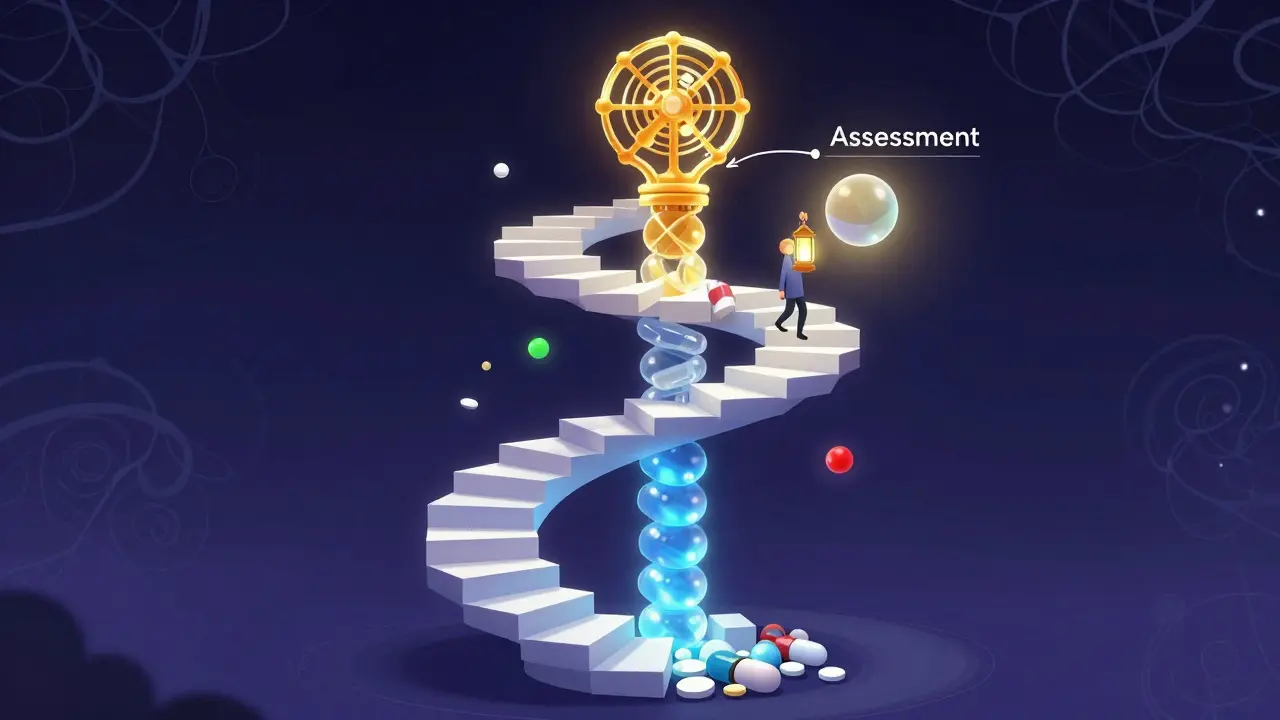
The foundation of this approach was laid by the World Health Organization (WHO) in 1986 with their three-step analgesic ladder. This framework revolutionized cancer pain management by providing a clear, step-by-step path for treating pain based on its intensity. Today, guidelines from major organizations like the National Comprehensive Cancer Network (NCCN) and the American Society of Clinical Oncology (ASCO) build on this foundation. They emphasize that pain screening is mandatory at every clinical encounter. If you are in pain, the system is designed to catch it immediately.
Why is this distinction important? Because untreated pain leads to depression, isolation, and a rapid decline in physical health. By treating pain aggressively, palliative care teams help patients stay active, eat better, and engage more fully with their loved ones. It turns the focus from "How long do I have?" to "How well am I living right now?"
The Science of Pain Assessment: More Than Just Numbers
You cannot fix what you do not measure. The first step in any effective pain control strategy is accurate assessment. Guidelines mandate using a 0-10 numerical rating scale, where 0 is no pain and 10 is the worst imaginable pain. But good clinicians know that a number alone doesn't tell the whole story.
A comprehensive assessment looks at several factors:
- Location: Is the pain localized to a tumor site, or is it widespread due to nerve damage?
- Quality: Is it sharp, burning, throbbing, or dull? Burning pain often suggests neuropathic involvement, requiring different medication than dull bone pain.
- Temporal Pattern: Does it happen constantly, or only when you move? Breakthrough pain spikes require specific dosing strategies.
- Functional Impact: How much does it stop you from doing daily activities?
Tools like the Brief Pain Inventory and the McGill Pain Questionnaire are often used to get this detailed picture. The goal is to document these details at every visit. If your pain score jumps from a 3 to a 7, the protocol requires reassessment within 24 hours for severe pain, or even sooner if the pain is unmanageable. This data-driven approach ensures that treatment adjustments are precise, not guesswork.
The WHO Analgesic Ladder: A Step-by-Step Guide
The backbone of pharmacological pain control is the WHO analgesic ladder. It is a simple, logical progression that matches drug strength to pain severity. Here is how it works in practice:
- Step 1 (Mild Pain): Non-opioid analgesics are used. This includes acetaminophen (up to 4,000 mg/day) or NSAIDs like ibuprofen (400-800 mg three times daily). These drugs reduce inflammation and block pain signals at the source.
- Step 2 (Moderate Pain): If Step 1 isn't enough, weak opioids are added. Codeine (30-60 mg every 4 hours) is a common example. It provides stronger relief without the heavy side effects of strong opioids.
- Step 3 (Severe Pain): Strong opioids become necessary. Morphine is the gold standard, starting at 5-15 mg orally every 4 hours. The key here is scheduled dosing-taking the medicine before the pain returns, rather than waiting for it to spike.
Crucially, this ladder allows for flexibility. You can add adjuvant medications at any step. For example, if you have nerve pain, gabapentin might be added to Step 1. If you have bone metastases, corticosteroids like dexamethasone might be introduced to reduce swelling around the spine. The ladder is a guide, not a rigid rulebook.
Opioid Management: Safety, Titration, and Rotation
When strong opioids are needed, the focus shifts to careful titration and safety. Titration means adjusting the dose until pain is controlled. The NCCN guidelines recommend increasing the dose by 25-50% every 24-48 hours if pain remains uncontrolled. This slow ramp-up helps minimize side effects like constipation, nausea, and sedation.
One critical concept is "breakthrough pain." This is a sudden flare-up of pain that occurs despite regular medication. Doctors typically prescribe a rescue dose equal to 10-15% of the total daily dose. Having this on hand prevents panic and keeps pain from spiraling out of control.
What happens if side effects become unbearable? This is where opioid rotation comes in. If morphine causes too much itching or confusion, a doctor might switch you to hydromorphone or oxycodone. The new dose is calculated using equianalgesic tables, but it is usually started at 50-75% of the calculated equivalent to account for incomplete cross-tolerance. This technique often restores comfort without sacrificing pain relief.
Safety is paramount. Protocols specify monitoring for respiratory depression. If breathing drops to 8 breaths per minute or less, naloxone may be administered to reverse the opioid effects. However, for cancer patients, the risk of overdose is generally low when doses are managed correctly by specialists. The CDC’s 2022 guideline update explicitly notes that cancer pain management has different risk-benefit considerations than chronic non-cancer pain, allowing for higher doses when necessary.
Beyond Pills: Radiotherapy and Adjuvants
Meds aren't the only tool in the box. For patients with bone metastases, localized radiotherapy is highly effective. A single fraction of 8 Gy or multiple fractions totaling 20-30 Gy can shrink tumors pressing on nerves, providing significant pain relief that lasts for weeks or months. This is often combined with bisphosphonates like zoledronic acid (4 mg IV every 3-4 weeks) to strengthen bone and prevent fractures.
Adjuvant medications play a huge role in complex pain scenarios:
- Anticonvulsants: Gabapentin (100-1,200 mg three times daily) targets neuropathic pain caused by nerve compression.
- Antidepressants: Duloxetine (30-60 mg daily) helps with both pain perception and mood, addressing the emotional toll of chronic discomfort.
- Corticosteroids: Dexamethasone reduces inflammation and swelling, particularly useful for spinal cord compression.
These treatments work synergistically with opioids, often allowing for lower opioid doses and fewer side effects. It is a multi-pronged attack on pain from different angles.
Barriers to Effective Pain Control
Despite clear guidelines, pain remains undertreated in 70-90% of advanced cancer patients. Why? Three main barriers stand in the way:
- Provider Knowledge Gaps: A 2017 study found that 40% of oncology nurses lacked current pain management certification. Without proper training, staff may hesitate to escalate doses or recognize complex pain types.
- Patient Fears: About 65% of patients fear addiction or losing control if they take opioids. This fear leads to underreporting pain. Patients often worry that asking for more meds will annoy their doctors or signal that they are "giving up."
- Systemic Issues: Insurance coverage for non-pharmacological therapies like acupuncture, massage, or psychological counseling is often limited. Regulatory restrictions on opioid prescribing can also create administrative hurdles that delay care.
Addressing these barriers requires open communication. Patients must advocate for themselves, and healthcare systems must invest in staff training. When teams are educated, pain control outcomes improve by 35%, according to studies on specialized palliative care training.
The Future: Technology and Personalized Medicine
The field is evolving rapidly. Smartphone apps now allow real-time pain tracking, improving documentation accuracy by 22%. These apps help doctors see patterns that might be missed in brief clinic visits. Genetic testing for CYP450 enzyme variants is another frontier. Since people metabolize opioids differently, genetic profiles can predict who will respond best to which drug, reducing trial-and-error prescribing.
Artificial intelligence is being explored to predict individual pain trajectories, helping teams intervene before pain becomes severe. Meanwhile, 12 novel non-opioid analgesics are currently in Phase II/III trials, targeting specific mechanisms like nerve compression and bone destruction. These innovations promise a future where pain control is even more precise and personalized.
| Approach | Best For | Key Benefit | Common Side Effects |
|---|---|---|---|
| NSAIDs (Ibuprofen) | Mild inflammatory pain | Reduces swelling | Stomach upset, kidney strain |
| Weak Opioids (Codeine) | Moderate pain | Stronger than NSAIDs | Drowsiness, constipation |
| Strong Opioids (Morphine) | Severe pain | High efficacy | Nausea, sedation, tolerance |
| Radiotherapy | Bone metastases | Long-lasting relief | Fatigue, skin irritation |
| Adjuvants (Gabapentin) | Nerve pain | Targets specific pathways | Dizziness, brain fog |
Next Steps for Patients and Families
If you or a loved one is struggling with cancer pain, here is what you can do:
- Ask for a Palliative Care Consult: Do not wait until the end. Early integration improves outcomes. Ask your oncologist for a referral.
- Track Your Pain: Use a notebook or app to log pain levels, triggers, and medication responses. Bring this to every appointment.
- Communicate Openly: Tell your team exactly how pain affects your sleep, mood, and movement. Be honest about fears regarding opioids.
- Explore Non-Drug Options: Ask about physical therapy, acupuncture, or mindfulness techniques as complements to medication.
Pain control is a right, not a privilege. With the right team and the right plan, 80-90% of cancer pain can be effectively managed. You deserve to live comfortably, regardless of your diagnosis.
Is palliative care the same as hospice?
No. Hospice is for patients with a prognosis of six months or less who have stopped curative treatment. Palliative care can start at any stage of illness and is provided alongside curative treatments like chemotherapy or surgery. Its goal is symptom relief and quality of life improvement, regardless of life expectancy.
Will taking opioids make me addicted?
Physical dependence is common with long-term opioid use, meaning your body adjusts to the drug. However, addiction (compulsive use despite harm) is rare in cancer patients taking opioids as prescribed. The risk of addiction is outweighed by the benefit of pain relief. Doctors monitor closely to ensure safe usage.
What should I do if my pain medication causes too much drowsiness?
Do not stop taking the medication abruptly. Contact your palliative care team. They may adjust the dose, change the timing, or rotate you to a different opioid that causes less sedation. Sometimes, adding a stimulant like methylphenidate can help counteract drowsiness.
Can palliative care help with emotional distress?
Yes. Palliative care teams include social workers, psychologists, and chaplains. They address anxiety, depression, and spiritual concerns, supporting both the patient and their family. Mental health support is integral to overall pain management.
How quickly can palliative care relieve pain?
For many patients, significant relief can occur within days to weeks of starting a tailored plan. Initial assessments and medication adjustments are done frequently. Severe pain may require urgent intervention, including hospitalization for rapid titration, but most cases are managed effectively in outpatient settings.