SSRI & NSAID GI Bleeding Risk Calculator
Calculate your estimated risk of gastrointestinal bleeding when combining antidepressants (SSRIs) and pain relievers (NSAIDs). This tool uses factors identified in clinical studies to provide a personalized risk assessment.
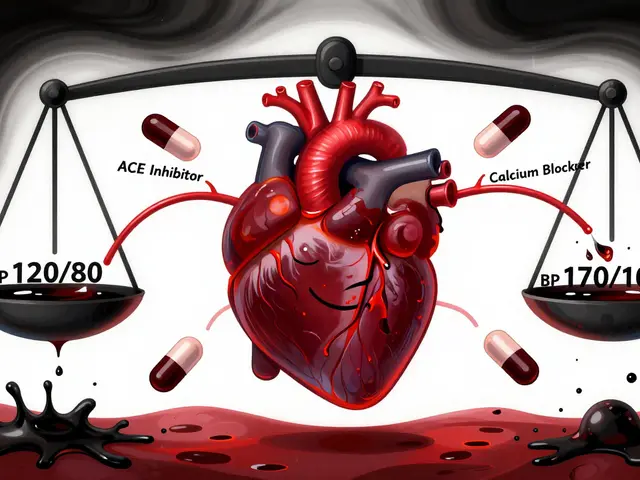
You take your morning antidepressant to manage anxiety or depression. Later that day, you pop an ibuprofen for a headache or knee pain. It’s a routine combination for millions of people, but this simple habit might be quietly damaging your stomach lining. Selective serotonin reuptake inhibitors (SSRIs) are a class of antidepressants that increase serotonin levels in the brain, commonly prescribed for mood disorders. When combined with Nonsteroidal anti-inflammatory drugs (NSAIDs) like ibuprofen, naproxen, aspirin, which reduce inflammation and pain by inhibiting prostaglandins, the risk of upper gastrointestinal (GI) bleeding jumps significantly. Recent data shows this combination increases bleeding risk by 75% compared to taking NSAIDs alone.
The Double Hit: Why This Combination Is Dangerous
To understand why this happens, we have to look at how these two drug classes work on a cellular level. They attack the body’s ability to stop bleeding from two different angles, creating a dangerous synergy.
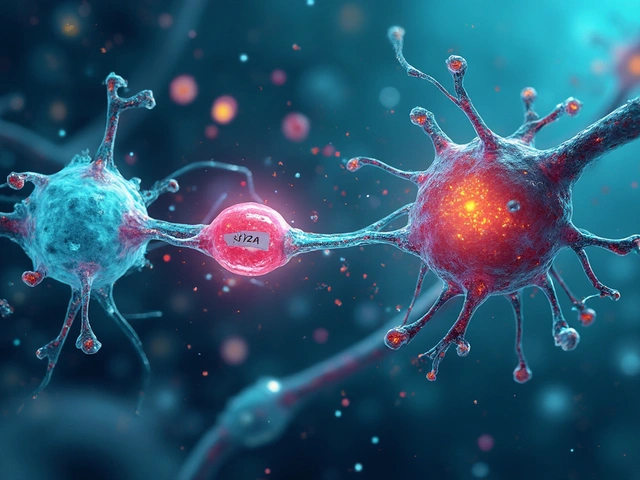
SSRIs primarily target the brain, but they also affect platelets-the blood cells responsible for clotting. Platelets rely on serotonin to clump together and form plugs when a vessel is injured. SSRIs block the reuptake of serotonin into platelets, leaving them less effective at aggregation. Essentially, your blood becomes thinner and slower to clot.
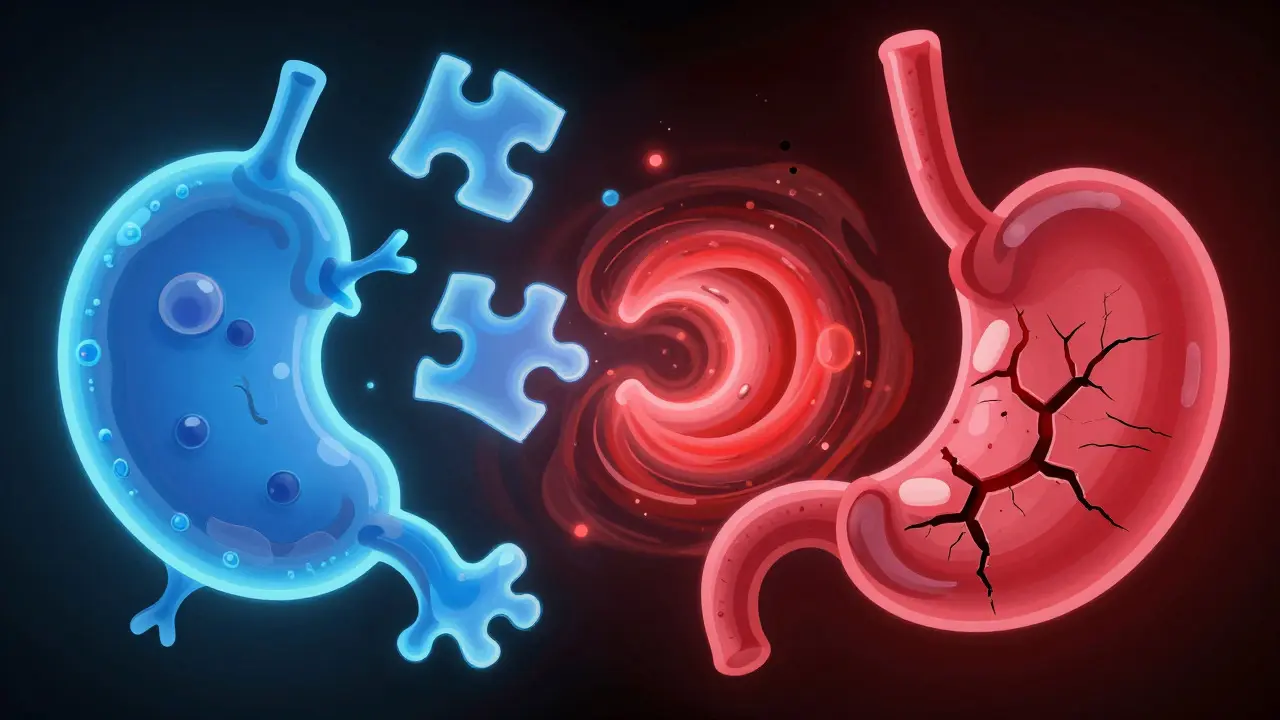
Meanwhile, NSAIDs inhibit cyclooxygenase (COX) enzymes. These enzymes produce prostaglandins, which protect the stomach lining by stimulating mucus and bicarbonate production. Without enough prostaglandins, the stomach lining becomes vulnerable to acid damage. So, you have a medication that makes it harder for your blood to clot (SSRI) paired with one that damages the tissue where bleeding can occur (NSAID).
A 2022 meta-analysis published in Nature Scientific Reports confirmed this mechanism isn't just theoretical. Researchers found an odds ratio of 1.75 for GI bleeding when both drugs were used together. That means if you are on both medications, you are nearly twice as likely to experience a bleed compared to someone taking only an NSAID.
Who Is Most at Risk?
Not everyone who takes this combination will bleed, but certain factors stack the deck against you. If you fall into any of these categories, the danger is much higher:
- Age over 65: Older adults often have thinner stomach linings and may take multiple medications, compounding the risk.
- History of ulcers: If you’ve had a GI bleed before, your tissue is more susceptible to recurring damage.
- High doses or long-term use: Taking high doses of NSAIDs (more than 1,200 mg of ibuprofen equivalent daily) or using SSRIs for longer than 90 days increases exposure time and intensity.
- Concurrent anticoagulants: Adding low-dose aspirin or warfarin to the mix creates a triple threat. A study in JAMA Internal Medicine showed this trio could increase bleeding risk by more than 12-fold compared to non-users.
Dr. Syed Mobashshir Alam, lead author of the 2022 Nature study, emphasizes that clinicians must discuss these risks explicitly. "It is best to minimize if not discontinue NSAIDs altogether prior to starting an SSRI," he advises. Yet, many patients report being unaware of this interaction until symptoms appear.

Safer Alternatives for Pain Management
If you are on an SSRI, you don’t have to live in pain, but you do need to choose your pain relievers carefully. Not all painkillers carry the same bleeding risk.
| Medication Type | Examples | GI Bleeding Risk with SSRIs | Recommendation |
|---|---|---|---|
| Acetaminophen | Tylenol, Paracetamol | Low / None | First Choice: No significant interaction with platelets or stomach lining. |
| COX-2 Selective Inhibitors | Celecoxib (Celebrex) | Moderate | Safer NSAID Option: Lower risk than traditional NSAIDs, but still requires caution. |
| Non-selective NSAIDs | Ibuprofen (Advil), Naproxen (Aleve) | High | Avoid if possible: Highest risk profile when combined with SSRIs. |
| Aspirin | Bayer, Ecotrin | Very High | Use with Extreme Caution: Only if prescribed for heart health; always pair with PPI. |
Acetaminophen stands out as the safest bet. According to a 2023 systematic review in Digestive Diseases and Sciences, acetaminophen shows no significant interaction with SSRIs regarding bleeding risk. For mild to moderate pain, switching from ibuprofen to acetaminophen can dramatically lower your hazard.
If you absolutely need an NSAID due to severe inflammation, celecoxib is a better alternative. As a COX-2 selective inhibitor, it spares the COX-1 enzyme that protects the stomach lining. Studies show it has approximately 50% lower GI bleeding risk than non-selective NSAIDs like naproxen.
Prevention Strategies: Protecting Your Stomach
If you cannot avoid taking both an SSRI and an NSAID, prevention is key. The American Gastroenterological Association (AGA) recommends specific protocols to mitigate this risk.
- Proton Pump Inhibitor (PPI) Co-therapy: This is the gold standard for protection. Medications like omeprazole or pantoprazole reduce stomach acid, allowing the lining to heal and resist damage. The AGA guidelines suggest PPIs for all patients requiring both NSAIDs and SSRIs. Data indicates this can reduce absolute bleeding risk by about 70%.
- Minimize Duration and Dose: Use the lowest effective dose of NSAID for the shortest time possible. Avoid chronic daily use unless strictly necessary.
- Monitor for Symptoms: Watch for signs of GI bleeding, such as black, tarry stools, vomiting blood, or unexplained fatigue (which may indicate anemia). If you notice these, seek medical attention immediately.
- EHR Alerts and Documentation: Ensure your doctor notes this interaction in your electronic health record. A 2020 study in BMJ Quality & Safety found that EHR alerts reduced bleeding events by 32% in high-risk patients.
Dr. Darren Brenner, chair of the AGA guideline panel, notes that the bleeding risk from this combination is comparable to that of anticoagulants like warfarin in high-risk populations. Yet, many clinicians overlook it. Proactive management involves discussing these options before starting therapy.
Real-World Impact and Patient Experiences
This isn't just a statistical concern; it affects real lives. On patient forums like Drugs.com, hundreds of users report GI side effects after combining SSRIs and NSAIDs. One user shared, "I was on sertraline and ibuprofen for 6 months before my emergency room visit for stomach bleeding - neither doctor mentioned this risk." Stories like this highlight a gap in patient education.
The economic burden is also staggering. The Agency for Healthcare Research and Quality estimates annual U.S. healthcare costs for SSRI-NSAID related bleeding events at $1.2 billion. This includes hospitalizations, emergency visits, and follow-up care. By preventing these events through better prescribing practices, we can save money and improve quality of life.
Future Directions and New Tools
Medical technology is catching up to this problem. In 2023, the GI-BLEED risk calculator was launched in Epic EHR systems. It uses 12 variables, including genetic factors like CYP2C19 metabolizer status, to provide personalized bleeding risk percentages. This tool helps doctors make data-driven decisions rather than relying on guesswork.
Additionally, new antidepressants are being developed with fewer platelet effects. Vortioxetine, for example, showed 40% lower bleeding events than traditional SSRIs in a 2022 phase 4 trial. While not a complete solution, it offers hope for patients who need mood stabilization without the bleeding trade-off.
Looking ahead, the FDA Sentinel Initiative plans to conduct a massive 500,000-patient study to quantify real-world risks across all combinations. Results are expected in late 2026, which will further refine our understanding of this interaction.
Can I take Tylenol (acetaminophen) with my SSRI?
Yes, acetaminophen is generally considered safe to take with SSRIs. Unlike NSAIDs, it does not significantly affect platelet function or stomach lining integrity, making it the preferred pain reliever for patients on antidepressants.
How much does the risk of GI bleeding increase with SSRIs and NSAIDs?
Research indicates a 75% increased risk (odds ratio of 1.75) of upper GI bleeding when SSRIs and NSAIDs are taken together compared to NSAID use alone. In some high-risk groups, such as those also taking aspirin, the risk can increase by more than 12-fold.
Should I take a proton pump inhibitor (PPI) if I am on both medications?
The American Gastroenterological Association recommends PPI co-therapy for patients requiring both NSAIDs and SSRIs. PPIs like omeprazole can reduce the absolute risk of bleeding by approximately 70%, offering significant protection.
Which NSAID is safest to take with an SSRI?
If an NSAID is necessary, celecoxib (Celebrex) is considered safer because it is a COX-2 selective inhibitor, which poses a lower risk to the stomach lining compared to non-selective NSAIDs like ibuprofen or naproxen. However, acetaminophen remains the safest overall option.
What are the symptoms of GI bleeding I should watch for?
Key symptoms include black, tarry stools (melena), vomiting blood or material that looks like coffee grounds, abdominal pain, dizziness, and unexplained fatigue or weakness, which may signal anemia from blood loss.