
Allergic March: Understanding the Progression of Allergies from Eczema to Asthma
When a child develops eczema early in life, it’s not just a skin issue—it’s often the first sign of something bigger called the allergic march, a predictable pattern where one allergic condition leads to another over time. Also known as the atopic march, it describes how kids with eczema are more likely to later develop food allergies, then allergic rhinitis, and eventually asthma. This isn’t random. It’s a chain reaction rooted in immune system dysfunction and skin barrier problems that let allergens sneak in and trigger responses elsewhere.
The eczema, a chronic inflammatory skin condition often appearing as dry, itchy patches in babies is usually the starting point. When the skin barrier breaks down, things like dust mites, pet dander, or even food proteins can enter the body through the skin, not the gut. This tricks the immune system into seeing them as threats. Over time, the body starts reacting to those same allergens when inhaled or eaten, leading to food allergies, reactions to milk, eggs, or peanuts that can be sudden and severe, then allergic rhinitis, the sneezing, runny nose, and itchy eyes commonly called hay fever. By school age, many of these kids end up with asthma, a condition where airways narrow and swell, making breathing hard. It’s not guaranteed, but the risk climbs sharply if eczema shows up before six months.
What makes this pattern so important is that it’s not just a medical curiosity—it’s a warning sign. Parents who notice early eczema can take steps to reduce the chance of progression. Keeping the skin moisturized, avoiding harsh soaps, and working with a doctor to identify triggers can help. Even simple things like using a humidifier or choosing cotton clothes over wool can make a difference. The allergic march isn’t destiny. It’s a pathway, and there are ways to slow it down or even stop it.
The posts below cover real-world cases and treatments tied to this progression—from how antihistamines like desloratadine help manage symptoms in nursing moms, to how NSAIDs might affect inflammation in kids with multiple allergies, to the role of diet in reducing flare-ups. You’ll find practical advice on managing symptoms at each stage, understanding medication safety during pregnancy or breastfeeding, and spotting early signs before things get worse. This isn’t theory. It’s what families are dealing with every day—and what works.
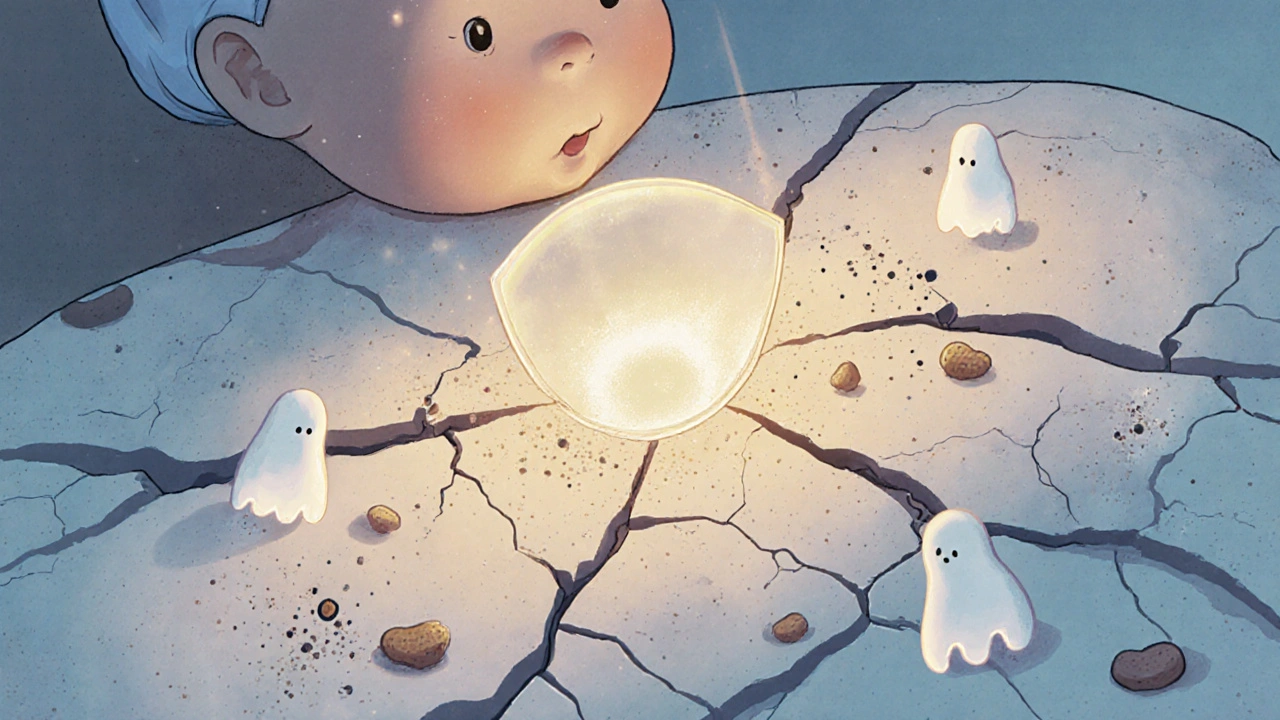
Eczema and Allergies: Understanding the Atopic March and How to Protect Skin Barrier Health
Eczema in babies doesn't always lead to allergies, but a broken skin barrier can increase risk. Learn how early moisturizing and safe food introduction can help prevent the atopic march and protect your child's long-term health.
About
Health and Wellness