
Atopic March: Understanding the Progression from Eczema to Asthma and Allergies
When a child develops atopic march, a predictable sequence of allergic diseases that often begin in infancy. Also known as the allergic cascade, it describes how skin inflammation like eczema can lead to food allergies, then asthma, and finally allergic rhinitis as the child grows. This isn’t just bad luck—it’s a biological pattern seen in many kids with a genetic tendency toward overactive immune responses.
The journey usually starts with eczema, a chronic, itchy skin condition that often appears in babies before their first birthday. If the skin barrier is broken—thanks to dryness, irritants, or scratching—allergens like dust mites, pet dander, or even peanut proteins can sneak in and trigger the immune system. That’s when food allergies, especially to eggs, milk, or peanuts, often follow. Later, the same overactive immune response moves to the airways, turning into asthma, a condition where the lungs tighten and swell in response to triggers. By school age, many of these kids develop allergic rhinitis, also called hay fever, with sneezing, runny nose, and itchy eyes. It’s not guaranteed, but the risk climbs sharply if eczema shows up early and is severe.
What makes this pattern so important is that it’s not just about symptoms—it’s about prevention. Stopping the march early might mean fewer asthma attacks, less need for inhalers, and fewer emergency visits. Keeping skin moisturized, avoiding harsh soaps, and managing eczema aggressively aren’t just skin-deep fixes—they’re steps that can change a child’s long-term health path. Studies show that kids with well-controlled eczema in the first year are less likely to develop asthma by age five. That’s not a small win.
You’ll find articles here that dig into how these conditions connect. Some look at the medications used to treat each stage, others at how diet or environmental triggers play a role. There’s also guidance on what to watch for as your child grows—from the first itchy patch on the cheek to wheezing after playtime. This isn’t about fear. It’s about knowing the signs, acting early, and understanding that what happens on the skin today might shape the lungs tomorrow.
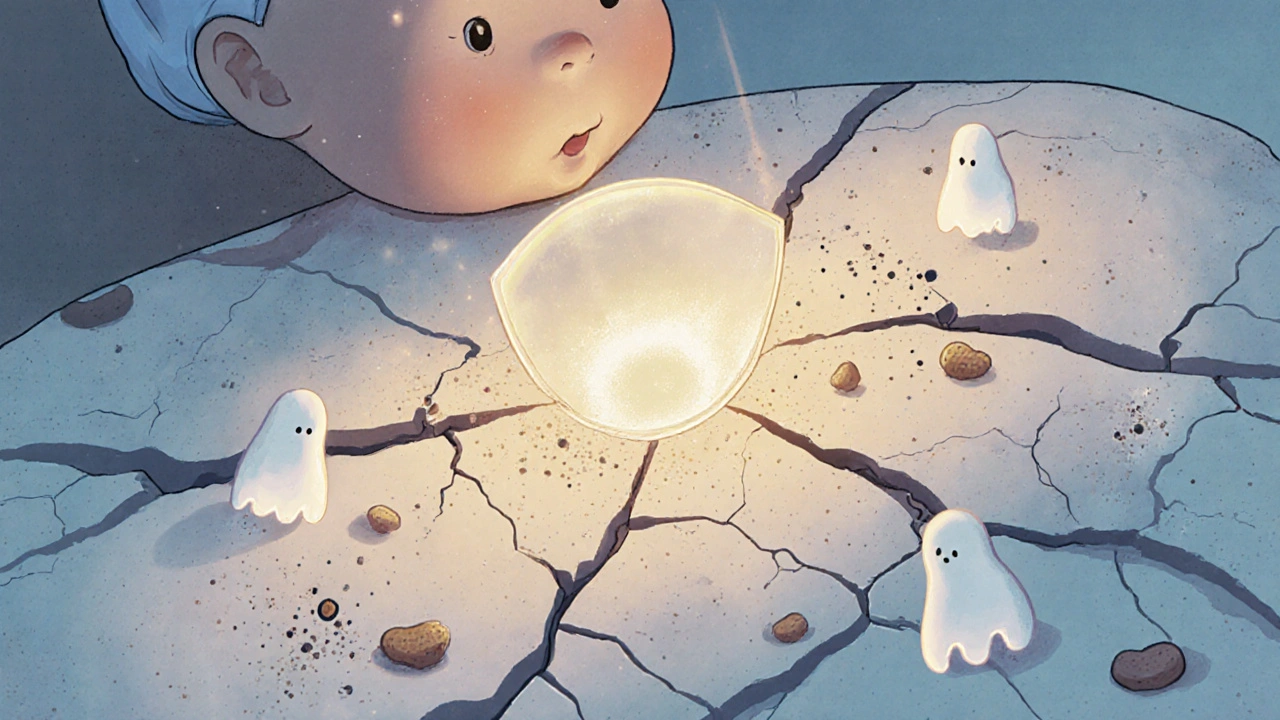
Eczema and Allergies: Understanding the Atopic March and How to Protect Skin Barrier Health
Eczema in babies doesn't always lead to allergies, but a broken skin barrier can increase risk. Learn how early moisturizing and safe food introduction can help prevent the atopic march and protect your child's long-term health.
About
Health and Wellness