
Colesevelam Side Effects: What You Need to Know Before Taking It
When you take colesevelam, a bile acid sequestrant used to lower LDL cholesterol and manage type 2 diabetes. It's not a statin, but it works differently—binding to bile acids in your gut so your liver pulls more cholesterol from your blood. Also known as a bile acid sequestrant, a class of drugs that interrupt cholesterol recycling in the digestive system, colesevelam is often prescribed when statins aren’t enough or cause problems. You might be on it if you have high cholesterol, diabetes, or both—and you want to avoid more potent drugs.
But like all meds, it has trade-offs. The most common issues are gastrointestinal side effects, digestive discomfort that shows up as bloating, constipation, or nausea. About 1 in 5 people report these, especially when they first start. It’s not a surprise—colesevelam is a powder you mix with water or food, and it swells up in your gut. That’s how it traps bile acids. But that same swelling can slow things down. If you’re already prone to constipation, this can get worse. Some people find relief by drinking more water, eating fiber, or splitting their dose. Others switch to a different cholesterol med. It’s not a one-size-fits-all drug.
Less common but still important: colesevelam can interfere with how other medicines work. If you take thyroid meds, birth control pills, or certain diabetes drugs like glipizide, it might reduce their absorption. That’s why your doctor will tell you to take colesevelam at least 4 hours before or after other pills. Skipping this timing rule can make your other meds less effective—and you might not even know it. Also, people with a history of bowel blockages or trouble swallowing should avoid it. It’s not dangerous for most, but it’s not harmless either.
You won’t find dramatic side effects like muscle pain or liver damage with colesevelam like you might with statins. That’s why it’s often a second-line choice. But don’t assume it’s risk-free. The real issue is tolerability. If you’re taking it and feel constantly bloated, have fewer than two bowel movements a week, or feel nauseous after meals, talk to your doctor. There are other options. And if you’re on it because of diabetes, know that while it helps lower blood sugar slightly, it’s not a substitute for diet, movement, or other diabetes meds.
Below, you’ll find real-world insights from people who’ve taken colesevelam, what they experienced, and how they managed it. You’ll also see how it compares to other cholesterol treatments, what doctors say about long-term use, and how to spot when side effects are more than just annoying. This isn’t just a list of symptoms—it’s a practical guide to deciding if colesevelam is right for you, or if there’s a better fit.
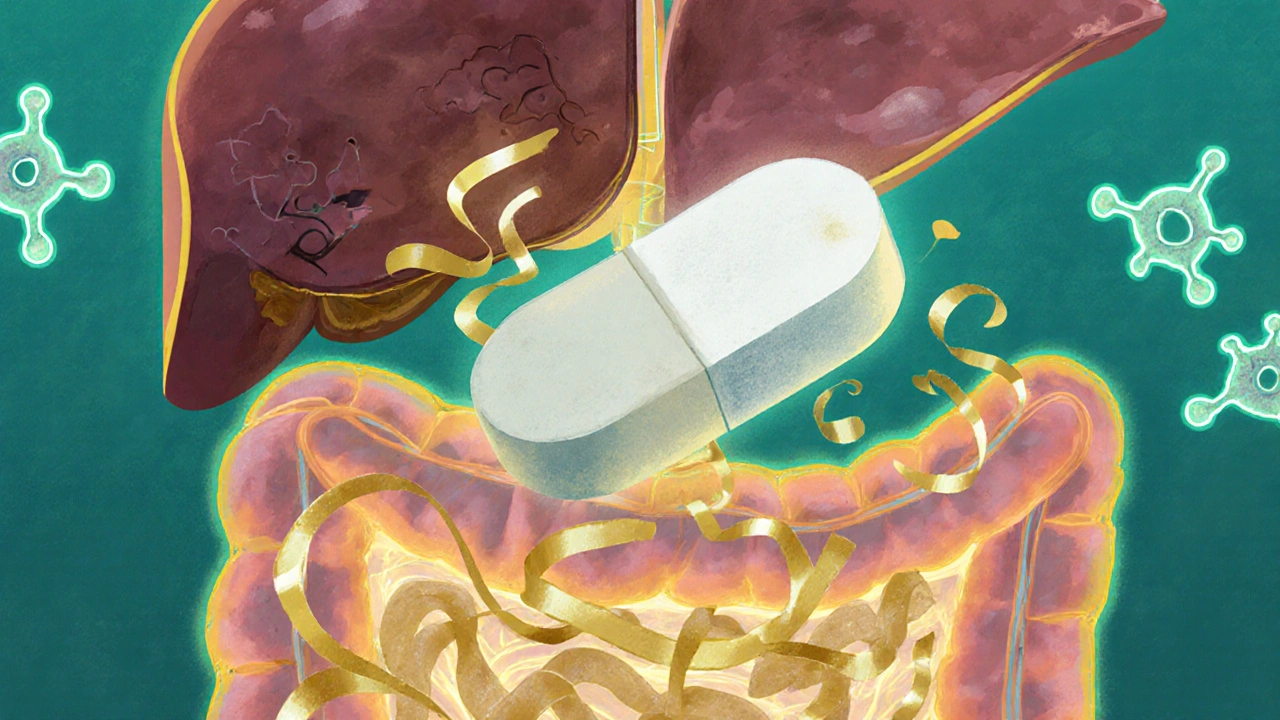
Bile Acid Sequestrants for Diabetes: Side Effects and Interactions You Need to Know
Colesevelam is a bile acid sequestrant used for type 2 diabetes and high cholesterol. Learn about its side effects, drug interactions, who benefits most, and why it's falling out of favor compared to newer diabetes medications.
About
Medications