
Filaggrin Mutation: What It Means for Skin Health and Related Conditions
When your skin doesn’t hold moisture well, flakes off easily, or breaks out in red, itchy patches, the problem might start with something invisible: a filaggrin mutation, a genetic change that weakens the skin’s protective barrier. Also known as a FLG gene variant, this mutation stops your body from making enough filaggrin — a protein that helps form the outer layer of your skin and keeps water in while blocking irritants and allergens. Without enough filaggrin, your skin becomes dry, cracked, and more open to triggers like soap, pollen, or dust mites.
This isn’t just about dry skin. A filaggrin mutation is strongly linked to atopic dermatitis, a chronic inflammatory skin condition often called eczema, especially when it starts early in childhood. People with this mutation are also more likely to develop ichthyosis vulgaris, a condition that causes scaly, fish-like skin, and have higher risks for asthma and food allergies. It’s not that the mutation causes these conditions directly — it’s that a broken skin barrier lets allergens sneak in, confusing the immune system and turning it on unnecessarily. Studies show nearly half of people with moderate to severe eczema carry at least one copy of this gene change.
Knowing you have a filaggrin mutation doesn’t mean you’re stuck with constant flare-ups. It just means your skin needs a little more care. Moisturizing daily with thick creams, avoiding harsh soaps, and using gentle cleansers can make a big difference. Some people benefit from topical treatments that help rebuild the skin barrier, like ceramide-rich lotions. Even if you don’t have eczema now, having this mutation means you should pay attention to skin health early — especially if you’re a parent, since kids with this gene change often show signs before age one.
The posts below cover how this genetic factor connects to real-world treatments, from managing eczema in babies to understanding why some people react badly to everyday skincare products. You’ll find practical advice on what works, what doesn’t, and how to protect your skin when your body’s natural defenses are compromised.
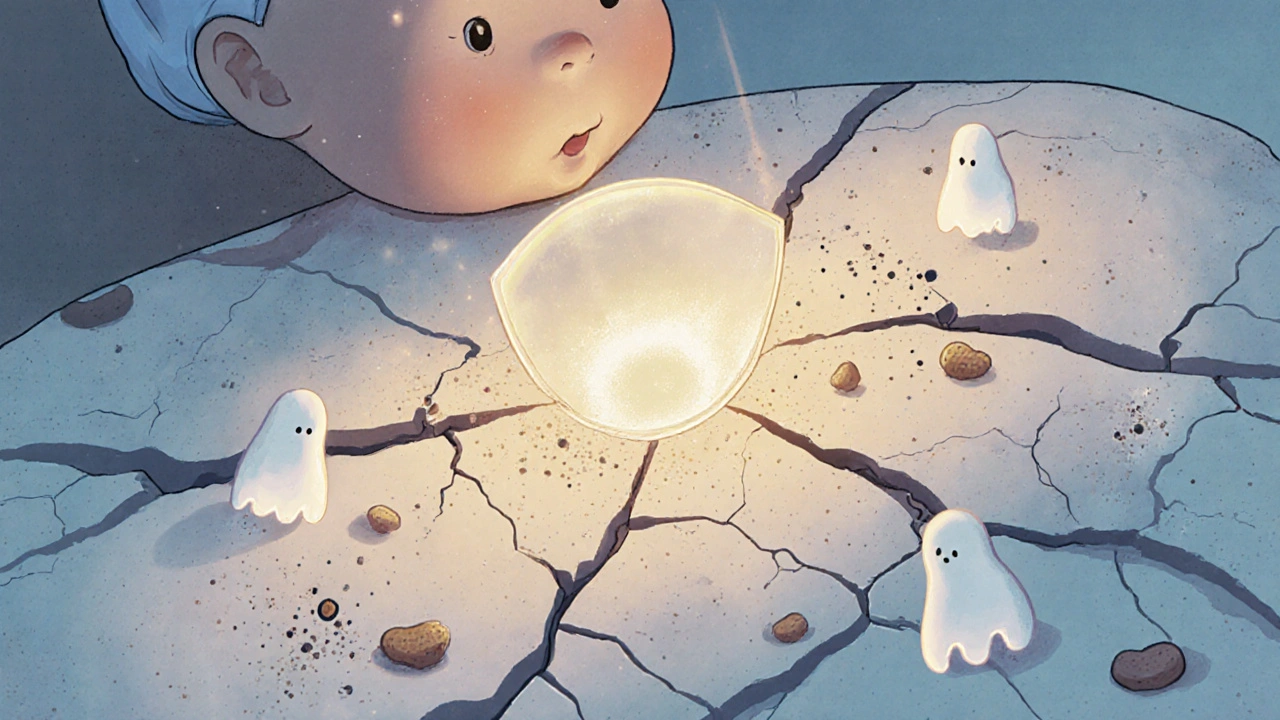
Eczema and Allergies: Understanding the Atopic March and How to Protect Skin Barrier Health
Eczema in babies doesn't always lead to allergies, but a broken skin barrier can increase risk. Learn how early moisturizing and safe food introduction can help prevent the atopic march and protect your child's long-term health.
About
Health and Wellness