
Generic Substitution: What It Is, Why It Matters, and What You Need to Know
When your pharmacist hands you a different pill than what your doctor wrote on the prescription, that’s generic substitution, the practice of replacing a brand-name drug with a chemically identical generic version. Also known as therapeutic substitution, it’s a routine part of modern pharmacy—and it’s saving billions in healthcare costs every year. But just because the active ingredient is the same doesn’t mean the experience is identical for everyone.
Behind the scenes, generic medications are made using the same active compounds as brand-name drugs, but they use different fillers, coatings, and binders—called excipients. These aren’t just inert ingredients. For people with sensitivities, a dye in one generic version or a different coating in another can cause stomach upset, rashes, or even trigger migraines. That’s why some patients report feeling worse after switching, even though lab tests say the drugs are "bioequivalent." It’s not in the active ingredient—it’s in the extras.
And it’s not just about side effects. drug shortages force pharmacies to substitute more often than ever. When a brand-name drug runs out, pharmacists don’t just pick any generic—they pick the one that’s available, affordable, and approved. But not all generics are made the same. Manufacturing standards vary slightly across countries and suppliers, and while FDA rules require equivalence, real-world results can differ for sensitive conditions like epilepsy, thyroid disorders, or mental health treatments. That’s why long-term users of generics often track how they feel month after month, not just rely on the label.
Many assume switching to generics is a one-time decision. But it’s not. You might start with one generic, then get switched again due to inventory changes, insurance formulary updates, or pharmacy contracts. Each switch brings a small risk—of side effects, altered absorption, or even reduced effectiveness. That’s why knowing your body’s response matters more than ever. If you’ve noticed changes after a switch—sleep issues, mood shifts, or new aches—it’s not "all in your head." It’s a real biological response to a change in formulation.
What you’ll find below is a collection of real-world stories and science-backed guides on what happens when you switch meds. From how brand name drugs and generics differ in their coatings, to why some people can’t tolerate certain generics, to how hospitals manage substitution during drug shortages—we’ve pulled together what actually matters. Whether you’re managing chronic pain, depression, heart disease, or just trying to save money on prescriptions, these posts give you the tools to ask the right questions, spot red flags, and protect your health—not just your wallet.
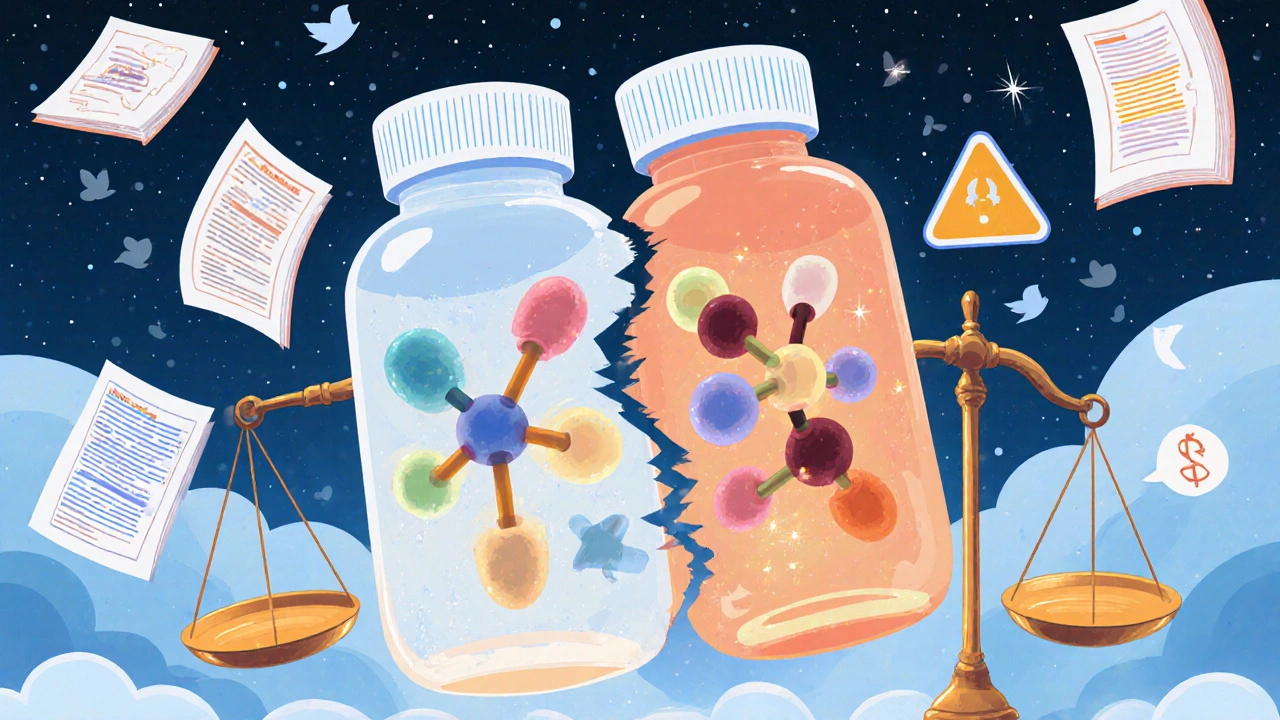
Managing Therapeutic Equivalents in Combination Drugs: Dose Differences Explained
Understanding therapeutic equivalence in combination drugs isn't just about matching doses-it's about how active ingredients interact, formulation differences, and real-world risks. Learn how to manage substitutions safely.
About
Medications