Getting a prescription used to mean waiting weeks for an appointment, sitting in a crowded office, and then standing in line at the pharmacy counter. Today, you can do it all from your couch. App-based prescribing platforms have turned getting generic medications into a process that takes minutes instead of days. These digital health tools connect you with licensed doctors via video or chat, generate e-prescriptions instantly, and ship affordable generics directly to your door.
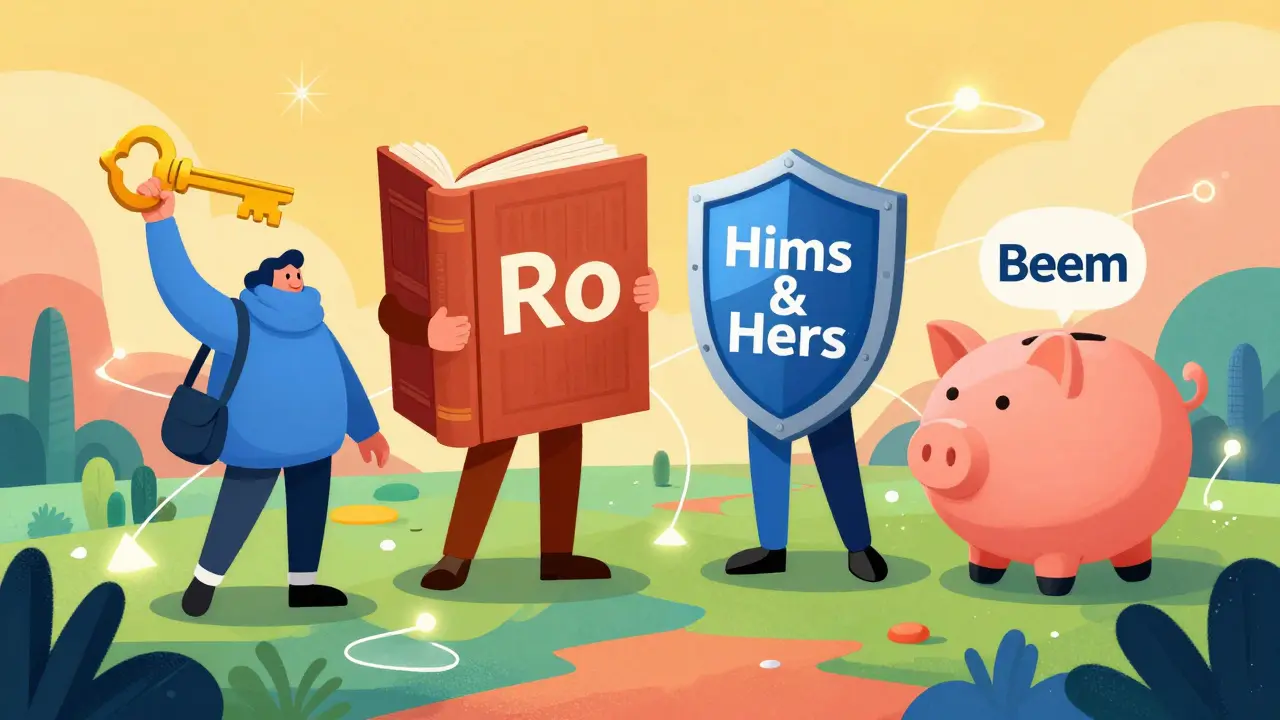
But not all apps are created equal. Some focus on lifestyle issues like hair loss or erectile dysfunction, while others aim to be full-service primary care replacements. With options like Amazon RxPass, Ro, Hims & Hers, and Beem Health dominating the market, choosing the right one depends on what you need, where you live, and how much you want to pay. Let’s break down which platform fits your situation best.
How App-Based Prescribing Works
The core promise of these platforms is speed and simplicity. Here is the typical workflow:
- Download and Profile Setup: You create an account, upload a photo ID, and enter basic medical history. This usually takes about 13 minutes.
- Medical Consultation: Instead of a physical exam, you complete a detailed digital questionnaire or hop on a brief video call with a board-certified physician. The doctor reviews your symptoms and history.
- E-Prescription Generation: If the doctor determines treatment is appropriate, they send an electronic prescription directly to the app’s affiliated pharmacy network.
- Fulfillment and Delivery: The medication is packaged and shipped. Many services offer same-day or next-day delivery for urgent needs.
This model cuts out the middleman-your traditional primary care provider-and reduces administrative friction. For common conditions like acne, anxiety, high blood pressure, or diabetes management, this streamlined approach saves time and often money. However, it’s crucial to understand that these apps generally cannot prescribe controlled substances (like ADHD stimulants or strong painkillers) due to strict federal regulations.
Top Platforms for Generic Medications Compared
| Platform | Best For | Pricing Model | Medication Coverage | Key Limitation |
|---|---|---|---|---|
| Amazon RxPass | Budget-conscious users with chronic conditions | $5/month subscription (Prime members) | ~150 eligible generics | Limited drug list; requires Prime membership |
| Ro | Comprehensive care across multiple conditions | $15/month + medication costs | 1,200+ medications across 15 categories | Higher monthly base fee |
| Hims & Hers | Lifestyle and sensitive health issues | Per-prescription pricing ($25-$45 avg) | Strong in ED, hair loss, skincare | Narrower focus on general primary care |
| Beem Health | Users needing financial flexibility | Variable savings + cash advance features | Wide range of generics | Complex interface due to financial tools |
Detailed Platform Breakdowns
Amazon RxPass: The Budget King
If you already have Amazon Prime, Amazon RxPass is hard to beat on price. Launched in late 2023, it offers a flat $5 monthly fee for eligible generic medications. As of mid-2025, it serves over 8 million users. The catch? The list of covered drugs is limited to about 150 items, mostly focusing on chronic conditions like hypertension, cholesterol, and diabetes. It’s perfect if you take standard maintenance meds, but useless if you need something niche.
Ro: The Broadest Coverage
Ro positions itself as a comprehensive healthcare partner. With access to over 1,200 medications across 15 therapeutic categories, it covers more ground than its competitors. Their consultation process involves board-certified physicians in all 50 states. While the $15 monthly subscription plus medication costs adds up, their reported 89% adherence rates for diabetes programs suggest strong patient support systems. They also integrate with Apple Health records, helping to solve the problem of fragmented medical histories.
Hims & Hers: Lifestyle Focused
Originally known for treating erectile dysfunction and hair loss, Hims & Hers has expanded but still dominates the "lifestyle" segment. If you’re looking for discreet treatment for sensitive conditions without awkward in-person conversations, this is your go-to. Pricing is per-prescription, averaging $25-$45. Users appreciate the brand identity and ease of use, though some report difficulty reaching human support when prescriptions are denied.
Beem Health: Healthcare Meets Finance
Beem Health stands out by integrating financial health tools. Alongside prescription savings, they offer cash advances (Everdraft™) up to $1,000. This appeals to users who struggle with both medical bills and daily cash flow. With over 5 million users, it’s a major player, but the mix of banking and healthcare features can feel cluttered if you just want a simple pill shipment.
Cost Savings: Are Generics Really Cheaper?
Yes, significantly. According to Drug Patent Watch’s 2025 analysis, generic medications through these apps typically cost 80-85% less than brand-name equivalents. Even compared to retail pharmacy prices, apps often undercut them by 30-50%. For example, a user might pay $5 for a month’s supply of lisinopril via Amazon RxPass versus $45 at a local pharmacy counter.
However, watch out for hidden costs. Subscription fees, consultation charges (if separate), and shipping fees can erode savings. Always check if your specific medication is included in the flat rate or priced separately.
Risks and Concerns: What Doctors Are Saying
While convenience is high, experts warn about potential downsides. A 2025 study in JAMA Internal Medicine found that direct-to-consumer telehealth platforms prescribed medications 23% more frequently than traditional primary care settings for comparable conditions. Dr. Sarah Thompson of the American Pharmacists Association noted that "the shift from patient care to drug sales creates concerning incentives that may compromise clinical judgment."
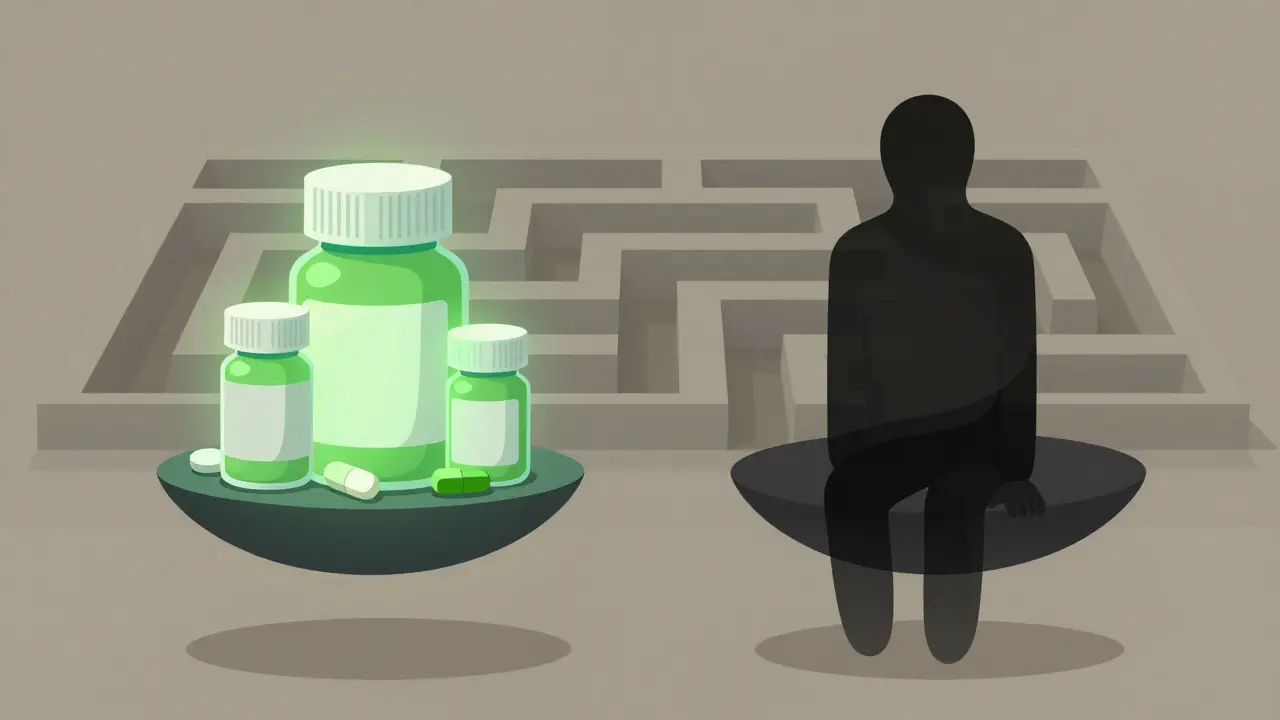
The biggest risk is care fragmentation. If you use an app for one medication and your regular doctor for another, neither may have a complete picture of your health. This led to 37% of pharmacists reporting medication history gaps among patients using multiple channels, increasing the risk of dangerous drug interactions.
Who Should Use These Apps?
These platforms are ideal for:
- Busy professionals who lack time for routine doctor visits.
- People with sensitive conditions who value privacy and discretion.
- Patients with stable, chronic conditions requiring routine refills (e.g., high blood pressure, acid reflux).
- Uninsured or underinsured individuals seeking lower-cost alternatives to retail pharmacies.
Avoid these apps if:
- You require complex, multi-drug regimens managed by a specialist.
- You need controlled substances (stimulants, opioids).
- You prefer hands-on physical examinations for new symptoms.
Tips for Safe Usage
- Check State Laws: Telemedicine laws vary. In 22 states, you must establish a prior patient-provider relationship before prescribing. Ensure the app operates legally in your location.
- Disclose All Meds: Always list every medication and supplement you take during the initial questionnaire to avoid interaction risks.
- Sync Your Records: Use apps that integrate with your primary care provider’s system or download your records regularly to share with your main doctor.
- Read Reviews Carefully: Look beyond star ratings. Check recent reviews for mentions of customer support responsiveness and prescription denial rates.
Future Outlook
The market is growing fast, projected to reach $9.3 billion by 2034. We’re seeing a shift toward hybrid models where digital convenience meets in-person support. Expect more integration with insurance plans and Medicare Part D by 2026. Amazon plans to expand RxPass to 300 medications by early 2026, while Ro continues to deepen its primary care capabilities. As technology improves, the goal is seamless, safe, and affordable access for everyone.
Are prescriptions from apps real and legal?
Yes. All legitimate app-based prescribing platforms employ licensed, board-certified physicians who follow state and federal regulations. The e-prescriptions they generate are legally valid and sent directly to accredited pharmacies.
Can I get controlled substances like Adderall through these apps?
Generally, no. Due to strict DEA regulations, most telehealth apps do not prescribe Schedule II controlled substances such as ADHD stimulants (Adderall, Ritalin) or strong painkillers. They focus on non-controlled generics for conditions like hypertension, acne, and anxiety.
Is my personal health data safe on these platforms?
Reputable platforms use HIPAA-compliant encryption (256-bit AES) and undergo regular third-party security audits. They treat your data with the same confidentiality standards as traditional healthcare providers. Always review the app’s privacy policy to understand how data is stored and shared.
What happens if my prescription is denied?
Prescription approval rates average 65-75%. If denied, it’s usually due to medical appropriateness or safety concerns. Most apps allow you to schedule a follow-up consultation with a different physician or provide clarification. Customer support quality varies, so choose a platform with responsive human support.
Do these apps work with my insurance?
Compatibility varies. Some platforms like Beem Health are integrating with insurance networks, while others like Amazon RxPass operate primarily as cash-pay services. About 40% of users face insurance compatibility issues. Always check the specific app’s website for current insurance partnerships in your state.