
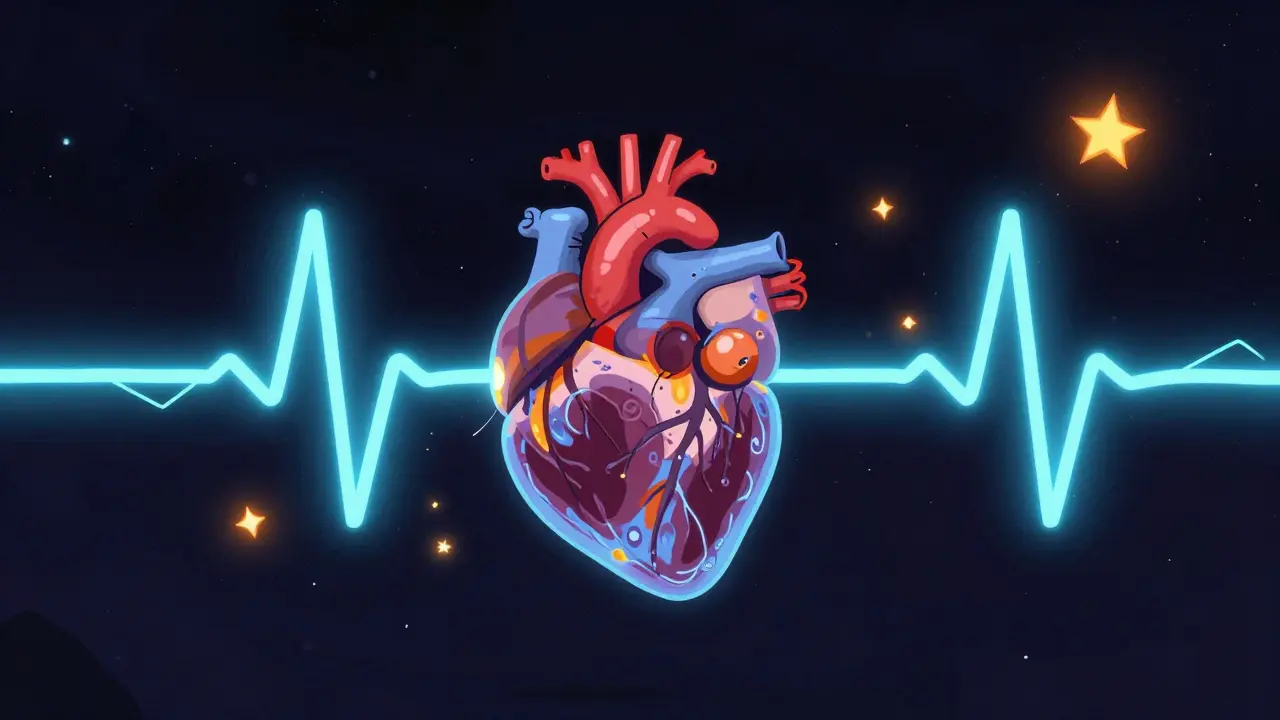
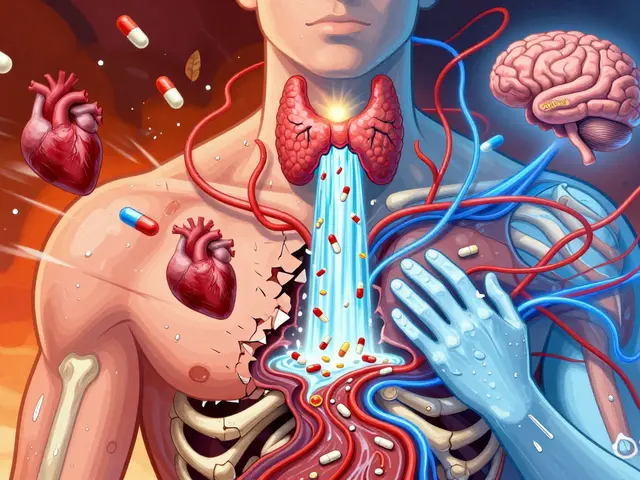
Imagine a heart rhythm that takes just a fraction of a second too long to reset. In the world of cardiology, this tiny delay is called QT prolongation. While it might sound like a minor technicality on an ECG, for someone taking certain psychiatric medications, it can be a ticking time bomb. When the heart's electrical system slows down too much during its recovery phase, it can trigger a chaotic rhythm known as torsade de pointes, which can lead to sudden cardiac arrest.
The real challenge for doctors is a balancing act. On one hand, antipsychotics are literal lifesavers for people with schizophrenia, reducing mortality from suicide and accidents by nearly 40%. On the other hand, nearly every antipsychotic carries some level of risk for the heart. The goal isn't to avoid these meds entirely, but to use them smartly by monitoring the heart's electrical activity.
The Basics: What Exactly is the QT Interval?
Your heart beats via electrical impulses. The QT interval is the time it takes for your ventricles to depolarize (fire) and then repolarize (reset). Because heart rates vary, doctors use the QTc corrected QT interval to standardize the measurement regardless of how fast your heart is beating.
When this interval stretches, it's like a rubber band being pulled too far; if it snaps at the wrong time, it causes a lethal arrhythmia. Generally, a QTc over 500 milliseconds is a red flag that requires immediate medical attention. If it hits 550 milliseconds, most guidelines suggest stopping the medication immediately to avoid a cardiac event.
Risk Levels: Not All Antipsychotics Are Equal
It is a common misconception that all antipsychotics are equally dangerous for the heart. In reality, there is a huge gradient of risk. Some medications barely nudge the QT interval, while others push it significantly.
First-generation antipsychotics are typically higher risk. For example, thioridazine is notorious for causing massive prolongation (around 35 ms), which is why it's no longer used in the US. On the other end of the spectrum, Second-generation antipsychotics (SGAs) often have a softer footprint. A drug like lurasidone is considered very low risk, showing almost no significant effect on the heart's rhythm in most patients.
| Risk Category | Examples of Medications | Typical Impact on QTc |
|---|---|---|
| High Risk | Thioridazine, Haloperidol, Ziprasidone | Significant prolongation (>15 ms) |
| Moderate Risk | Quetiapine, Risperidone, Iloperidone | Mild to moderate (5-15 ms) |
| Low Risk | Aripiprazole, Lurasidone, Brexpiprazole | Minimal to no effect |
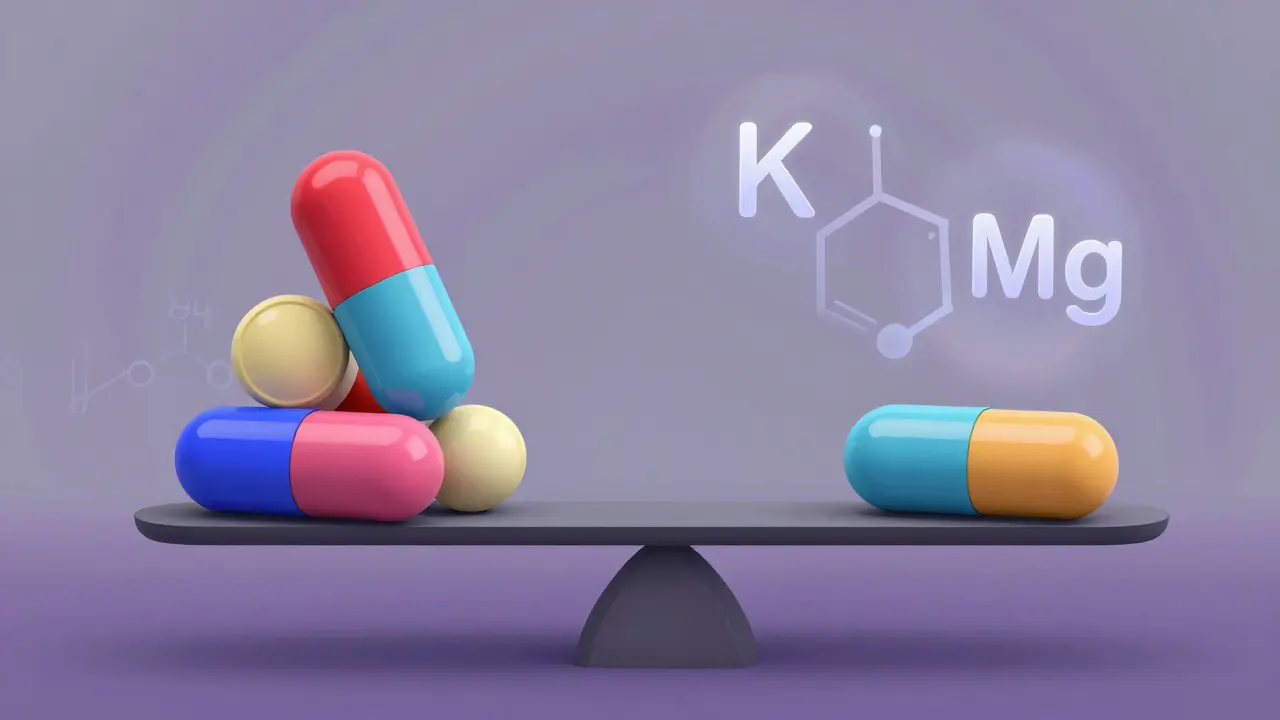
The Danger of "Stacking" Risks
One drug might be safe on its own, but the risk skyrockets when you add other factors. This is often where the real danger lies-not in the antipsychotic itself, but in the combination. In a study of psychiatric inpatients, nearly 70% of those who developed a dangerously long QT interval were taking multiple medications that all affect the heart.
If you are taking cardiac medications, certain antibiotics, or antidepressants alongside an antipsychotic, you are "stacking" the risk. Furthermore, your body's chemistry plays a huge role. Low levels of potassium (hypokalemia) or magnesium in the blood make the heart far more susceptible to these electrical glitches. Maintaining potassium levels above 4.0 mmol/L is a key strategy doctors use to keep the heart stable.
Who Is Most at Risk?
Not everyone reacts the same way to these drugs. Certain biological markers make some people more vulnerable to Torsades de Pointes. If you fall into these categories, your doctor will likely be much more aggressive with ECG monitoring:
- Age: Adults over 65 have a significantly higher risk (odds ratio of 2.3).
- Gender: Women are biologically more prone to QT prolongation than men.
- Pre-existing Heart Conditions: Anyone with a history of heart failure or bradycardia (slow heart rate).
- Electrolyte Imbalance: People with kidney issues or those taking diuretics who may have low potassium.
Practical Monitoring: What to Expect
If you or a loved one are starting a high-risk antipsychotic, the process shouldn't be a guessing game. There is a standard protocol used by specialists to keep patients safe. First, you should have a baseline ECG before the first dose. This tells the doctor where your heart starts.
Once you reach the full therapeutic dose, another ECG is usually performed within a week. This is the critical window to see if the medication is pushing your QTc toward that 500 ms danger zone. After that, an annual check-up is typically enough for stable patients. If the interval does increase, doctors don't always panic-they often simply reduce the dose, correct electrolyte levels, or switch to a low-risk alternative like aripiprazole.
The Big Picture: Risk vs. Benefit
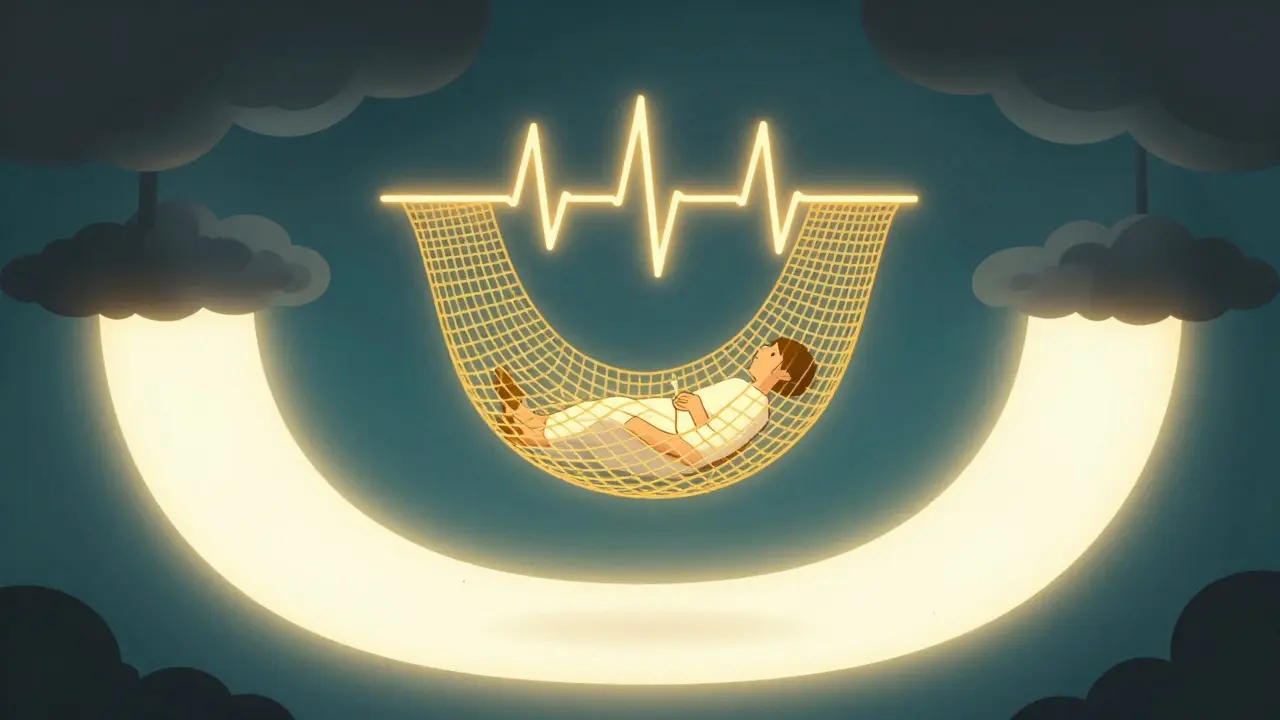
It's easy to look at the cardiac risks and feel hesitant about these medications. However, we have to look at the "U-shaped mortality curve." This means that people who take no medication for severe schizophrenia actually have a higher risk of death than those taking a moderate dose of antipsychotics. The risks of untreated psychosis-including suicide and accidental death-far outweigh the manageable risk of QT prolongation.
The modern approach isn't about avoiding these powerful tools; it's about using them with a safety net. With a simple ECG and a blood test for potassium, the risk of a cardiac event becomes very small, while the benefit to mental health remains life-changing.
Can a normal person have a long QT interval without medication?
Yes, some people are born with "congenital long QT syndrome," a genetic condition. This is why baseline ECGs are so important-they help doctors figure out if a patient already has a long interval before they ever start a medication.
What are the warning signs of a heart rhythm problem?
Since QT prolongation itself doesn't have "symptoms," you only feel it when it triggers an arrhythmia. Warning signs include sudden dizziness, fainting (syncope), or heart palpitations. If these occur while taking antipsychotics, seek emergency care immediately.
Does switching to a second-generation antipsychotic always fix the problem?
Usually, yes. Moving from a high-risk drug like haloperidol to a low-risk drug like lurasidone or aripiprazole typically reduces the QTc interval. However, your doctor must still monitor you, as individual reactions can vary.
Why do electrolytes like potassium matter so much?
Potassium and magnesium act as the "brakes" and "accelerators" for the heart's electrical reset. When levels are too low, the heart's electrical system becomes unstable, making it much easier for an antipsychotic drug to push the QT interval into a dangerous range.
Is an ECG every year really enough?
For most stable patients on a consistent dose, once a year is standard. However, if you start a new medication, change your dose, or develop a new medical condition (like kidney disease), your doctor will likely order a new ECG sooner.
Srikanth Makineni
April 6, 2026 AT 11:31just keep an eye on the potassium levels
Del Bourne
April 6, 2026 AT 23:12It is so important to remember that the baseline ECG is the gold standard here. Many people don't realize that they might have a naturally longer QT interval due to genetics, which makes them much more susceptible to these medications. If you are starting a new regimen, please ensure your provider checks your electrolytes, especially if you are on a diuretic for blood pressure. A simple blood test can be the difference between a safe treatment and a dangerous situation. Always advocate for your health by requesting these tests before the first dose is ever administered.
Brady Davis
April 7, 2026 AT 13:38Oh great, so we can either lose our minds or have our hearts literally explode like a cheap firework. What a fantastic set of options the medical industry has provided for us. Truly a win-win situation for everyone involved
Toby Sirois
April 7, 2026 AT 15:15You guys are missing the point here. People just don't take care of themselves and then act surprised when their heart fails. If you aren't eating enough bananas or taking magnesium, that's on you. I've seen so many people ignore the basic signs of health and then come crying to the internet for a miracle cure. It is basic biology. If you don't manage your electrolytes, you're just asking for a cardiac event. Stop blaming the drugs and start blaming the lifestyle. I've studied this for years and the pattern is always the same: neglect leading to crisis.
Rauf Ronald
April 7, 2026 AT 21:28Spot on with the risk vs benefit analysis! It's all about harm reduction. For those feeling anxious, just remember that the monitoring tools we have are incredibly precise. An ECG is quick, painless, and gives the doctor exactly what they need to make a safe adjustment. If you're worried, just keep a log of any dizziness and share it with your doc. You've got this!
Daniel Trezub
April 8, 2026 AT 11:21Actually, I think the focus on a 500ms threshold is a bit arbitrary in some clinical settings. Some patients tolerate slightly higher intervals without any issues, while others have events at 480ms. It's not a magic number, just a general guideline. But hey, the list of low-risk drugs is pretty solid regardless of the threshold debate.
Timothy Burroughs
April 9, 2026 AT 08:00this is why america is failing its people we just pump them full of chemicals and hope the heart doesnt stop beating typical garbage system
Dhriti Chhabra
April 10, 2026 AT 22:45It is heartening to see such a comprehensive explanation of the balance between mental stability and cardiac safety. I believe that with open communication between patients and their healthcare providers, these risks can be managed with great success and dignity.
Christopher Cooper
April 11, 2026 AT 05:08The mention of the "U-shaped mortality curve" is a fascinating perspective on the trade-offs involved in psychiatric care. It really puts the risk of QT prolongation into a broader context of overall survival. I wonder how often these ECGs are actually performed in real-world outpatient settings compared to the ideal protocol described here. It would be interesting to see the data on compliance for annual checks.
Vivek Hattangadi
April 12, 2026 AT 17:25Totally agree with the point about stacking risks! I've seen cases where a simple antibiotic prescription caused a massive spike because the patient was already on a moderate-risk antipsychotic. It's so important to tell every doctor everything you're taking, even the over-the-counter stuff. Let's all keep supporting each other in staying informed!
Sarabjeet Singh
April 12, 2026 AT 19:48Good info here. Stay safe everyone
Rupert McKelvie
April 14, 2026 AT 08:13It is very reassuring to know that there are low-risk alternatives available. Modern medicine has come a long way and it is great that we can now prioritize both the mind and the heart.
Alexander Idle
April 16, 2026 AT 05:18I am absolutely devastated by the mere thought of a rubber band snapping in my chest. The sheer audacity of these medications to play dice with my cardiovascular system is simply appalling. I shall be reclining in a state of profound distress until my next appointment, naturally.