
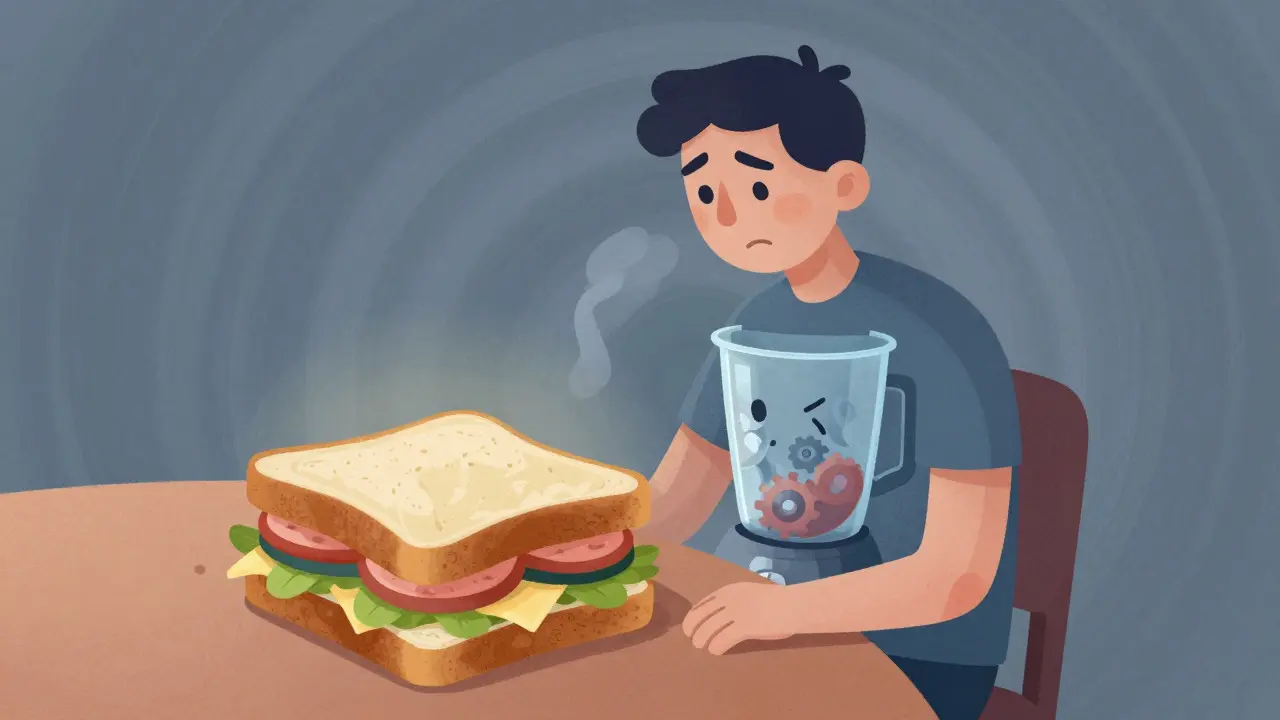
Imagine eating a simple sandwich and feeling like you just ate a whole turkey. Your stomach sits heavy, bloated, and painful for hours. You might feel nauseous, even though you haven't eaten much. This isn't just "indigestion." It is likely Gastroparesis, a condition where your stomach struggles to empty food into your small intestine. For millions of people, this chronic issue turns every meal into a gamble. But here is the good news: while there is no cure yet, managing your diet can drastically reduce symptoms and improve your quality of life.
If you have been diagnosed with delayed gastric emptying, or if you suspect you have it, understanding what goes into your body is your first line of defense. This guide breaks down exactly what to eat, what to avoid, and how to structure your meals to keep your stomach moving smoothly.
What Is Gastroparesis and Why Does It Happen?
To manage the condition, you first need to understand the mechanics. Normally, your stomach muscles contract rhythmically to grind food into a liquid slurry and push it into the small intestine. In gastroparesis, this process slows down or stops entirely. There is no physical blockage-like a tumor or scar tissue-preventing the flow. Instead, the nerves or muscles controlling the stomach are not working correctly.
The vagus nerve plays a starring role here. It sends signals to your stomach muscles telling them when to squeeze. If this nerve is damaged, the message gets lost. According to data from Cleveland Clinic, nerve damage accounts for about 70% of gastroparesis cases. The most common culprit? Diabetes. High blood sugar over time can injure the vagus nerve. In fact, up to 50% of people with Type 1 diabetes may develop some form of gastroparesis.
Other causes include:
- Surgery: Operations on the stomach, esophagus, or gallbladder can sometimes damage the vagus nerve.
- Medications: Certain drugs, including opioids and some antidepressants, slow down gut motility.
- Neurological disorders: Conditions like Parkinson's disease or multiple sclerosis affect nerve function throughout the body.
- Idiopathic: In about 30% of cases, doctors cannot find a specific cause. This is called idiopathic gastroparesis.
Understanding that this is a mechanical and neurological issue-not a psychological one-is crucial. It changes how you approach treatment. You aren't "stressed" into this; your stomach literally needs help processing food.
The Core Principles of a Gastroparesis Diet
There is no single "gastroparesis diet" that works for everyone, but there are universal rules based on how the stomach processes different nutrients. The goal is to make digestion as easy as possible. Think of your stomach as a weak blender. If you throw in tough, fibrous, or fatty ingredients, it will jam. If you give it soft, low-fat, low-fiber purees, it can handle the job.
Here are the three pillars of dietary management:
- Low Fiber: Fiber is healthy for most people, but for those with gastroparesis, it is often the enemy. Insoluble fiber (found in skins, seeds, and stems) does not break down easily. It can sit in the stomach for days, causing bloating and pain, and potentially forming bezoars (hard masses of undigested food).
- Low Fat: Fat triggers the release of hormones that slow down gastric emptying. While fat is essential for health, high-fat meals can delay stomach emptying by 30-50%. Keeping fat intake moderate helps keep things moving.
- Small, Frequent Meals: A large meal overwhelms a sluggish stomach. Eating six small meals a day instead of three large ones prevents overfilling the stomach, reducing nausea and vomiting.
Yale Medicine recommends starting with liquid nutrition if solids are too difficult, then progressing to soft foods, and finally incorporating small solid meals as tolerated. Portion sizes should be limited to 1-1.5 cups per meal.
Foods to Avoid: The Gastroparesis Trigger List
Avoiding trigger foods is just as important as choosing the right ones. Many patients report significant symptom improvement simply by eliminating these common offenders.
| Food Category | Why It’s Problematic | Examples to Avoid |
|---|---|---|
| High-Fat Foods | Slows gastric emptying significantly | Fried foods, creamy sauces, fatty cuts of meat, full-fat dairy, butter, lard |
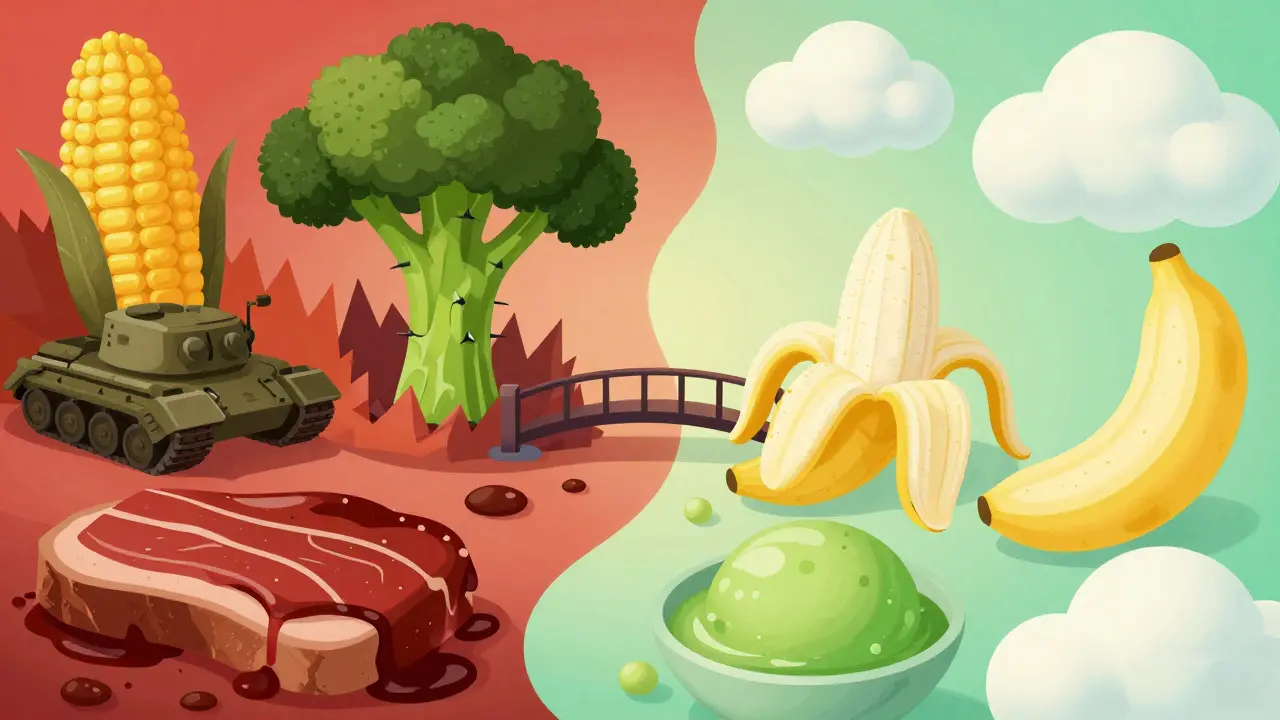
| High-Fiber Vegetables | Hard to digest, can form bezoars | Corn, broccoli, cauliflower, Brussels sprouts, celery, raw salads |
| Tough Meats | Requires strong churning to break down | Steak, pork chops, chicken skin, gristle, sinew |
| Raw Fruits & Skins | Insoluble fiber and tough textures | Apples with skin, berries with seeds, kiwi, grapes with skin |
| Carbonated Beverages | Increases gas and gastric distension | Soda, sparkling water, beer |
Notice that corn is specifically highlighted. Corn kernels are notorious for passing through the digestive system intact. For someone with gastroparesis, they can get stuck in the stomach for days, leading to severe discomfort. Similarly, nuts and seeds are tiny traps for stomach issues due to their hard outer shells and high fat content.
Best Foods to Eat: Gentle and Nutritious
Just because you have restrictions doesn't mean you have to eat bland, tasteless food. The key is texture and preparation. Blending, cooking until very soft, and peeling fruits and vegetables can transform problematic foods into safe options.
Proteins: Choose lean, tender sources. Fish is an excellent option because it is naturally soft and low in fat. Skinless chicken breast, turkey, and tofu are also great choices. Eggs are a versatile protein source that is easy to digest, especially when scrambled softly or made into omelets without heavy cheese or cream.
Carbohydrates: Refined grains are easier to digest than whole grains. White rice, white bread, pasta, and crackers are generally well-tolerated. Oatmeal can be tricky; if you tolerate it, choose instant oatmeal rather than steel-cut, and cook it thoroughly. Potatoes are another friend, provided you peel them and mash them or boil them until soft.
Fruits and Vegetables: Stick to cooked, peeled, and seedless varieties. Bananas are naturally soft and low in fiber. Cantaloupe and honeydew melon are also gentle on the stomach. For vegetables, try carrots, squash, spinach (cooked), and zucchini. Always peel apples and pears, and consider baking them until soft or blending them into sauces.
Liquids: Hydration is critical, but drinking too much at once can fill your stomach quickly. Sip fluids between meals, not with them. Clear broths, herbal teas (like ginger or peppermint, which can soothe nausea), and electrolyte drinks are helpful. Smoothies are a powerful tool here-they provide nutrition in a liquid form that bypasses much of the chewing and grinding work your stomach would normally do.
Practical Meal Planning and Lifestyle Tips
Knowing what to eat is step one. Knowing how to eat is step two. Small adjustments in your daily routine can make a massive difference in how you feel.
Blenderize Your Meals: This is perhaps the most effective strategy for moderate to severe gastroparesis. If solid food causes pain, blend your dinner. Blend cooked chicken with white rice and steamed carrots. Add a little broth or olive oil for flavor and calories. The result is a nutrient-dense meal that requires minimal effort from your stomach to process. UCLA Medical School reports that 65% of patients see significant improvement using this method.
Separate Liquids and Solids: Drink your water, juice, or milk 30 minutes before or after a meal, not during. Drinking with meals increases the volume in your stomach, which can exacerbate feelings of fullness and bloating. Cleveland Clinic notes that simultaneous consumption can increase gastric volume by 40%, triggering symptoms.
Stay Upright After Eating: Gravity is your ally. Do not lie down for at least 90 minutes after eating. Lying flat allows food to pool in the stomach and can worsen reflux and nausea. Prop yourself up with pillows if you need to rest.
Keep a Food Diary: Everyone’s tolerance is different. What works for one person might trigger another. Keep a detailed log of what you eat, when you eat it, and any symptoms that follow. Over time, you will identify your personal triggers. Mayo Clinic suggests that 80% of patients can identify specific problematic foods through this tracking method.
Manage Stress: While stress doesn't cause gastroparesis, it can worsen symptoms by affecting gut-brain signaling. Practice relaxation techniques like deep breathing or meditation before meals. Eating in a calm environment can help your body prepare for digestion.
When Diet Isn’t Enough: Medical Interventions
For many, dietary changes alone provide enough relief. However, if you are still experiencing severe nausea, vomiting, or weight loss despite strict adherence to a gastroparesis diet, it is time to talk to your doctor about medical options.
Medications: Prokinetic agents like metoclopramide help stimulate stomach contractions. Anti-nausea medications (antiemetics) can help control vomiting. Note that some medications have side effects, so work closely with your gastroenterologist to find the right balance.
Advanced Therapies: For refractory cases, procedures like Gastric Electrical Stimulation (GES) or Per-Oral Pyloromyotomy (POP) may be considered. GES involves implanting a device that sends electrical pulses to the stomach muscle to reduce nausea. POP is an endoscopic procedure that cuts the pyloric sphincter muscle to allow food to pass more easily into the small intestine.
Nutritional Support: In severe cases where oral intake is insufficient, enteral feeding tubes or total parenteral nutrition (TPN) may be necessary to prevent malnutrition. This is a last resort but can be life-saving.
Living Well with Gastroparesis
Living with gastroparesis requires patience and creativity. It is a marathon, not a sprint. There will be bad days when nothing seems to stay down. On those days, stick to clear liquids and rest. Celebrate the good days when you can enjoy a modified version of your favorite meal.
Connect with others who understand. Organizations like Guts UK and the Gastroparesis Clinical Research Consortium offer resources and support communities. Sharing tips with other patients can reveal new strategies you hadn’t considered.
Remember, you are not defined by your stomach. With the right diet, medical support, and mindset, you can manage gastroparesis and live a full, active life. Start small, listen to your body, and don’t hesitate to seek professional guidance from a registered dietitian specializing in gastrointestinal disorders.
Can I ever eat normal food again with gastroparesis?
While gastroparesis is currently a chronic condition, many people find that their symptoms fluctuate. During remission periods, you may be able to tolerate a wider variety of foods. However, sticking to a low-fat, low-fiber diet is generally recommended long-term to prevent flare-ups. Some patients find they can occasionally enjoy small portions of "trigger" foods if they are prepared carefully (e.g., well-cooked and blended).
Is gastroparesis dangerous?
Untreated gastroparesis can lead to serious complications such as malnutrition, dehydration, and bezoars (undigested food masses). Severe cases may require hospitalization. However, with proper management-including dietary changes and medication-most people can control their symptoms and avoid these complications. Regular monitoring by a healthcare provider is essential.
What should I do if I vomit frequently?
Frequent vomiting is a sign that your current management plan needs adjustment. Contact your gastroenterologist immediately. They may adjust your medications, recommend anti-nausea treatments, or suggest further diagnostic testing. In the meantime, focus on staying hydrated with small sips of electrolyte solutions and stick to bland, easily digestible foods like crackers or broth.
Does exercise help with gastroparesis?
Light to moderate exercise, such as walking, can help stimulate gastric motility and reduce bloating. However, avoid vigorous exercise immediately after eating, as this can worsen nausea. Wait at least 2-3 hours after a meal before engaging in intense physical activity. Consult your doctor before starting a new exercise regimen.
Are there supplements for gastroparesis?
Some people find relief with natural remedies like ginger tea or peppermint tea, which can soothe nausea. However, always consult your doctor before taking any supplements, as some can interact with medications or irritate the stomach. Liquid vitamin supplements may be easier to absorb than pills if your stomach emptying is severely delayed.