
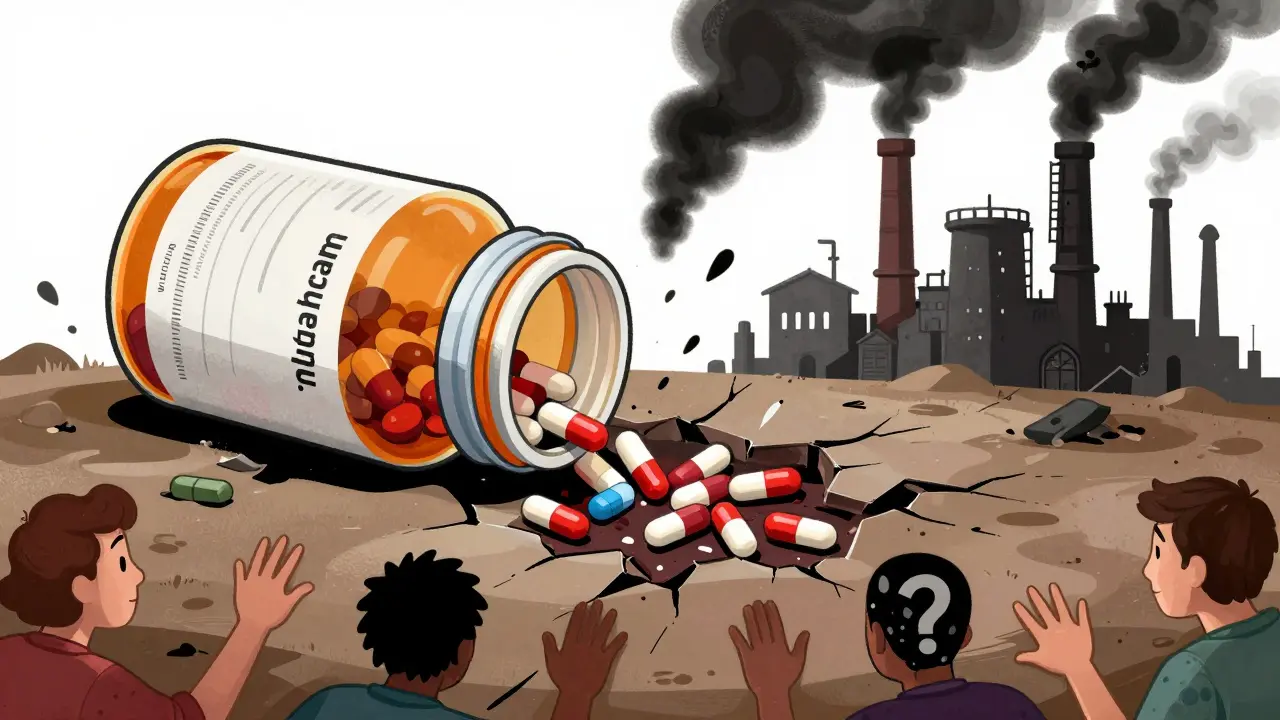
When the pandemic hit, people didn’t just worry about ventilators and masks. They also started running out of medications they needed every day - insulin, blood pressure pills, antibiotics, even painkillers. At the same time, the illegal drug market turned deadly. What happened wasn’t just bad luck. It was a system breaking under pressure.
Medications Vanished Overnight
From February to April 2020, nearly one in three reports of drug supply problems turned into actual shortages. That’s a five-fold jump from normal. Hospitals scrambled. Patients called pharmacies only to hear, "We don’t have it. Not today, not next week." Some people rationed their insulin. Others skipped doses of heart medication. A study in JAMA Network Open found that 14% of all supply chain alerts led to shortages within six months. And 6% meant a drop of over a third in available stock - severe enough to risk lives.It wasn’t just one type of drug. Critical care meds like sedatives used in ICUs for COVID patients disappeared. So did common generics like amoxicillin and metformin. Why? Because most of the active ingredients in these drugs come from just two countries: China and India. When lockdowns shut down factories there, the flow stopped. Even if the final pills were made in the U.S., they needed those raw chemicals to be shipped in. No input. No output.
The FDA Tried to Fix It - But the System Was Already Broken
By May 2020, things started to improve. Why? Because the FDA finally started acting. They pushed manufacturers to report problems early. They fast-tracked inspections. They told companies, "If you’re making a life-saving drug, we’ll get you through the red tape." That helped. Shortages dropped back to pre-pandemic levels by summer.But here’s the problem: they only fixed the symptoms. The disease stayed. The system still depends on long, fragile supply chains. One factory delay. One shipping port closure. One labor strike. And suddenly, 50,000 people can’t get their thyroid meds. Experts say we need more transparency - real-time tracking of where ingredients come from, how much stock is sitting in warehouses, who’s making what. Right now, no one really knows until it’s too late.
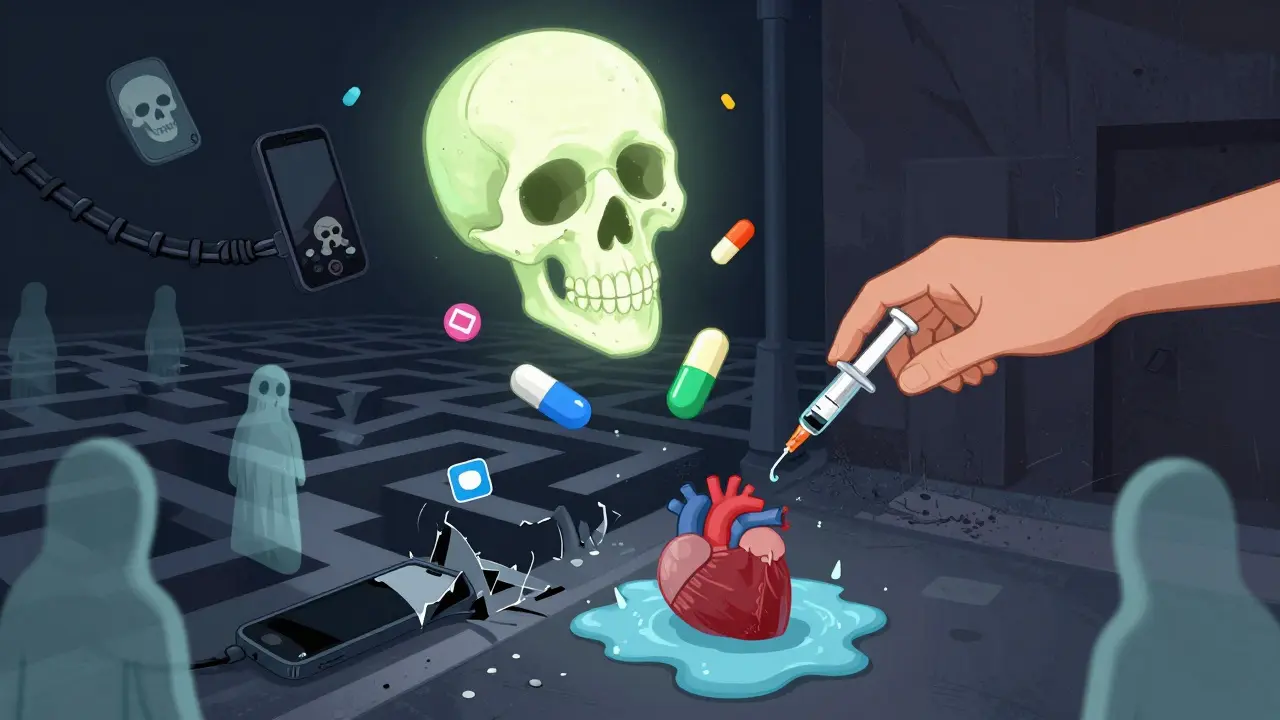
The Illicit Drug Market Got More Dangerous
While hospitals fought over the last vial of propofol, the street drug scene turned into a death trap. Lockdowns broke up traditional distribution networks. Dealers couldn’t move product the old way. So they did something simpler - and deadlier. They cut everything with fentanyl.Fentanyl is 50 to 100 times stronger than morphine. A tiny amount can kill. Before the pandemic, users might have been getting heroin with occasional fentanyl mixed in. After lockdowns, it became the norm. Reddit users in addiction forums reported pills that used to give a buzz now knocked people out cold. One person wrote: "I took what I always did. I didn’t wake up. My friend did. He called 911. They said it was fentanyl. Again."
Overdose deaths didn’t just rise - they exploded. From May 2019 to April 2020, about 77,000 people died from drug overdoses in the U.S. The next year? Nearly 98,000. That’s a 31% jump. By 2022, it hit over 107,000. States like West Virginia, Kentucky, and Vermont saw increases over 50%. This wasn’t random. It was a direct result of disrupted supply chains and desperate users consuming unknown, ultra-potent substances.
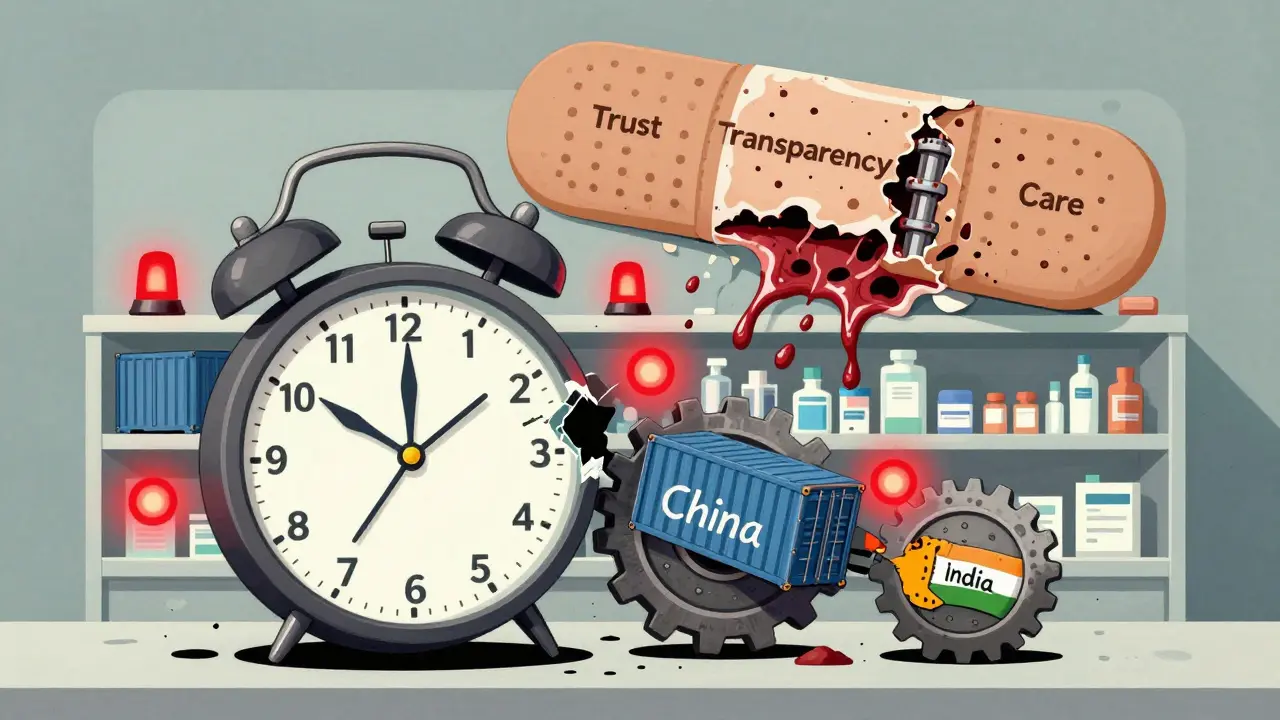
Help Got Harder to Find - Even When It Was Supposed to Get Easier
You’d think, with more people needing help, support would expand. And it did - sort of. The government let doctors prescribe buprenorphine over Zoom. Methadone clinics gave out take-home doses for up to 28 days. Telehealth visits for addiction treatment jumped from less than 1% of all visits to 40% in just a few months.But here’s what got lost: human connection. People in recovery don’t just need pills. They need to sit in a circle and talk. They need to hold someone’s hand during a panic attack. They need to know someone sees them. When group meetings shut down, participation dropped by 75% for those with private insurance. Needle exchange programs in cities like Philadelphia saw 40% fewer visits. Harm reduction workers had to switch to drive-through naloxone pickups. It kept people alive, but it didn’t heal them.
And not everyone could use telehealth. Older adults didn’t have smartphones. People in rural areas had spotty internet. Some didn’t trust video calls. So while some got better access, others got left behind. The pandemic didn’t just expose gaps in the drug supply - it widened the gaps in care.
What’s Still Broken Today
You might think, "Okay, the pandemic’s over. Things are back to normal." They’re not.Drug shortages still happen. Not as often as in 2020, but they’re still there. And they’re still caused by the same weak links: global manufacturing, lack of transparency, and zero backup plans. The 2023 National Defense Authorization Act finally included new rules to track supply chains better. But enforcement? Still weak.
And the overdose crisis? It’s still rising. Fentanyl is now in almost every drug class - cocaine, meth, even fake Xanax pills sold on Instagram. People don’t know what they’re taking. And they’re dying because of it.
The real fix isn’t just more pills or more Zoom calls. It’s rebuilding trust. It’s making sure no one has to choose between rent and their medication. It’s giving people in recovery real support - not just a prescription. It’s treating addiction like a health issue, not a crime.
The pandemic didn’t create these problems. It just ripped off the bandage and showed us how deep the wounds were. We saw what happens when systems fail. Now we have to decide: do we fix them - or wait for the next crisis to hit?
Brett MacDonald
February 2, 2026 AT 03:36Sandeep Kumar
February 2, 2026 AT 14:13Gary Mitts
February 3, 2026 AT 16:23Becky M.
February 5, 2026 AT 06:21jay patel
February 5, 2026 AT 18:31phara don
February 6, 2026 AT 20:12Hannah Gliane
February 7, 2026 AT 09:40Murarikar Satishwar
February 8, 2026 AT 17:29Dan Pearson
February 10, 2026 AT 06:20Eli Kiseop
February 10, 2026 AT 22:14Ellie Norris
February 11, 2026 AT 22:30Marc Durocher
February 13, 2026 AT 13:12