
Why Your Itchy Skin After an Opioid Might Not Be an Allergy
It’s a common story: you get morphine for pain after surgery, and within minutes, your skin starts to itch. You panic. You tell the nurse you’re allergic. They write it down. Next time you need pain relief, you’re told you can’t have any opioids - even though the itching was the only thing wrong. That’s not an allergy. At least, not the kind you think.
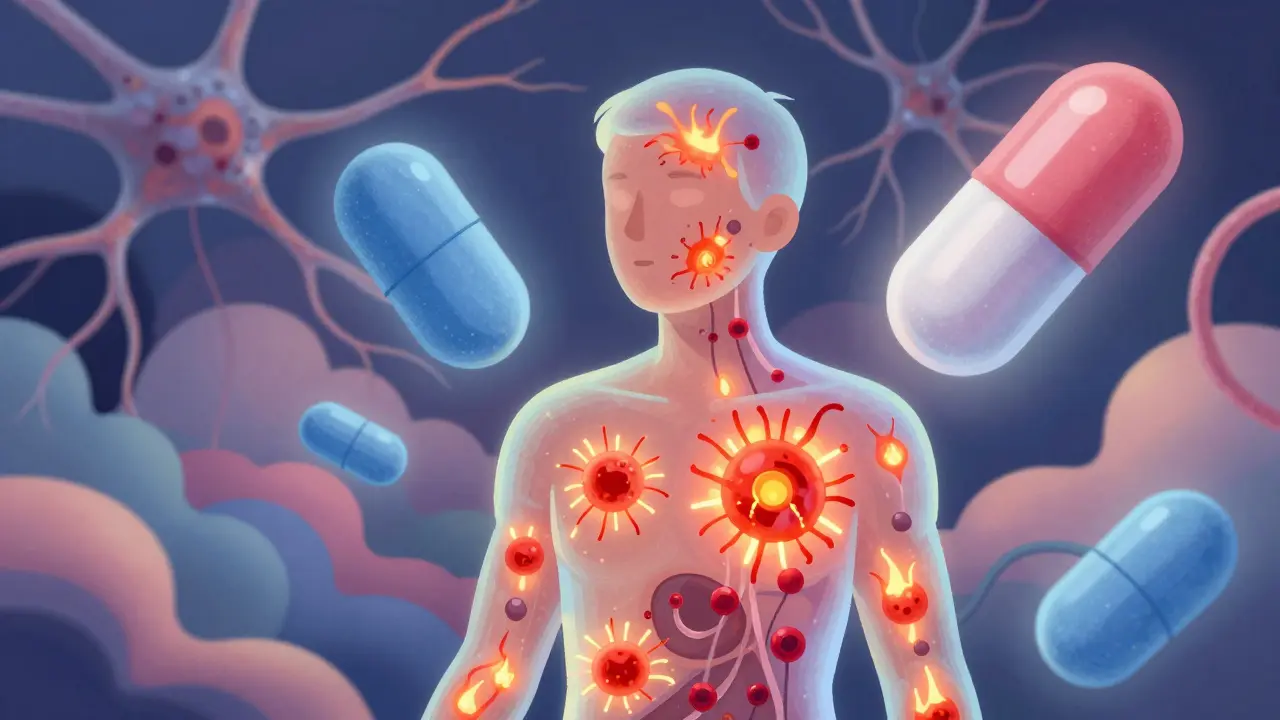
Most people who say they’re allergic to opioids aren’t. In fact, up to 80% of reported opioid allergies are actually pseudoallergic reactions - not true immune responses, but a direct chemical effect on your body. These reactions are caused by histamine release from mast cells, not by your immune system recognizing the drug as a threat. The result? Itching, flushing, sweating, maybe a little nausea. Same symptoms as an allergy. Totally different cause.
The Real Difference Between Itching and a True Allergy
True opioid allergies are rare. They happen in less than 0.3% of cases. And they’re serious. If you’re having a true allergic reaction, you’ll see more than just itching. You’ll get hives that spread, swelling of your lips or throat, trouble breathing, a sudden drop in blood pressure, or even collapse. These reactions happen fast - often within minutes - and can be life-threatening. They’re caused by your immune system making antibodies (IgE) against the opioid, like it’s fighting off a virus.
Itching from opioids? That’s different. It’s usually localized, doesn’t come with swelling or breathing issues, and gets worse with higher doses. It’s not your immune system. It’s your mast cells, triggered by the drug’s chemical structure. Morphine is the biggest culprit. It releases 3 to 4 times more histamine than hydromorphone at the same pain-relieving dose. Codeine does the same. But fentanyl? Methadone? They barely trigger it at all.
Why Morphine Makes You Itch - And Why Fentanyl Doesn’t
It’s all about chemistry. Morphine and codeine have a specific structure - a tertiary amine group - that directly activates mast cells in your skin. That’s why they cause itching in 30-40% of patients. Fentanyl, methadone, and oxymorphone? They lack that group. So they’re much less likely to cause the problem. That’s not magic. It’s pharmacology.
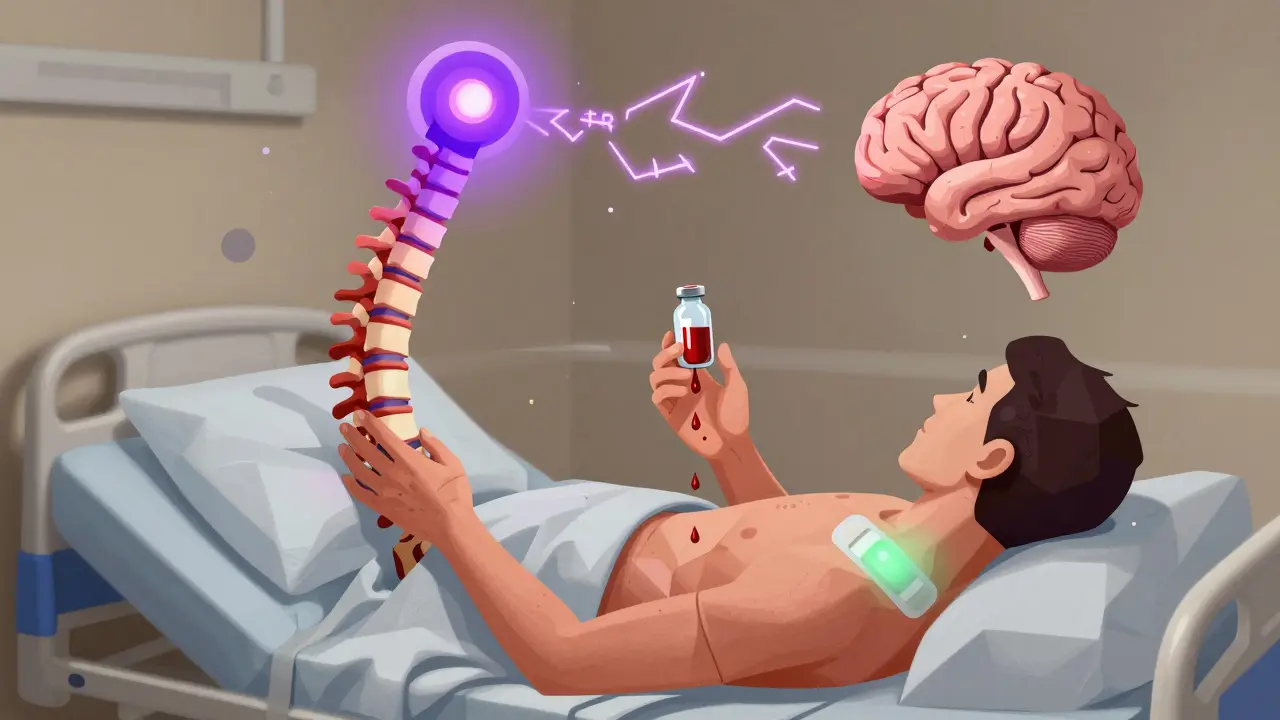
But here’s the twist: itching isn’t always from histamine. A 2007 study from Washington University found that opioids can also activate a receptor in your spinal cord called GRPR. This pathway causes itching even when histamine levels are normal. That’s why antihistamines like Benadryl sometimes don’t help - because the itch is coming from your nerves, not your skin.
That’s why some patients get relief with nalfurafine, a drug approved in Japan for this exact problem. It blocks those spinal itch receptors. It’s not available in the U.S. yet, but Phase 3 trials ended in 2022. It’s coming.
What to Do If You Get Itchy on an Opioid
If you’re itchy but not having swelling or breathing trouble, here’s what actually works:
- Don’t assume you’re allergic. Tell your doctor it’s itching, not an allergy.
- Ask if you can lower the dose by 25-50%. Often, that’s enough to stop the itching.
- Take an antihistamine like diphenhydramine (Benadryl) 25-50 mg 30 minutes before the next dose. This helps in 85% of cases.
- If itching continues, switch opioids. Try fentanyl (patch or IV) or methadone. Both have under 10% itching rates compared to morphine’s 30-40%.
Don’t stop the opioid because you’re itchy. Pain matters. And opioids are still the most effective tool for severe pain - especially in cancer or post-surgery care.
When You Really Do Have an Allergy
True allergies are rare, but they happen. If you’ve ever had swelling of your tongue, trouble breathing, a sudden drop in blood pressure, or anaphylaxis after an opioid - you need to avoid that drug and any closely related ones. Morphine, oxycodone, and hydrocodone are all phenanthrenes. They can cross-react. Fentanyl, however, is a phenylpiperidine. It’s structurally different. Less than 5% of people allergic to morphine react to fentanyl.
If you’ve been labeled allergic but never had a true reaction, get tested. The American Academy of Allergy, Asthma & Immunology doesn’t recommend routine skin testing for opioids unless you had anaphylaxis. Why? Skin tests for morphine give false positives in up to 30% of cases. Instead, a supervised challenge with a different opioid - like fentanyl - under medical supervision is safer and more accurate.
What Happens If You’re Misdiagnosed
Getting labeled allergic to opioids isn’t harmless. It costs money. It limits care. A 2020 JAMA study found that mislabeled opioid allergies add $1,200 per patient in extra costs - because doctors use more expensive, less effective drugs like NSAIDs or gabapentin. In the U.S., that adds up to $24-36 billion a year.
And it puts patients at risk. People who avoid opioids because they think they’re allergic often end up with worse pain control. In cancer care, that means more suffering. In recovery, it means higher relapse rates. A 2022 Harvard study found that 78% of cancer patients with opioid allergy labels could safely use alternatives after antihistamine premedication. Only 5% had true allergies.
What Patients Are Saying
On Reddit’s r/painmanagement, users share real experiences:
- “I got itchy on morphine. They said I was allergic. I tried fentanyl patch with Benadryl - no itching, no problem. Why did they call me allergic?” - u/PainWarrior2022
- “I had a full anaphylactic reaction on hydromorphone. BP dropped to 70. Had to be intubated. That’s not itching. That’s a real allergy.” - u/RecoveryJourney2023
These aren’t outliers. A University of Michigan study of 1,247 patients found 87% of those who said they were allergic to opioids only described itching, nausea, or dizziness - all expected side effects. Only 13% had true allergic symptoms.
What Doctors Are Doing Differently Now
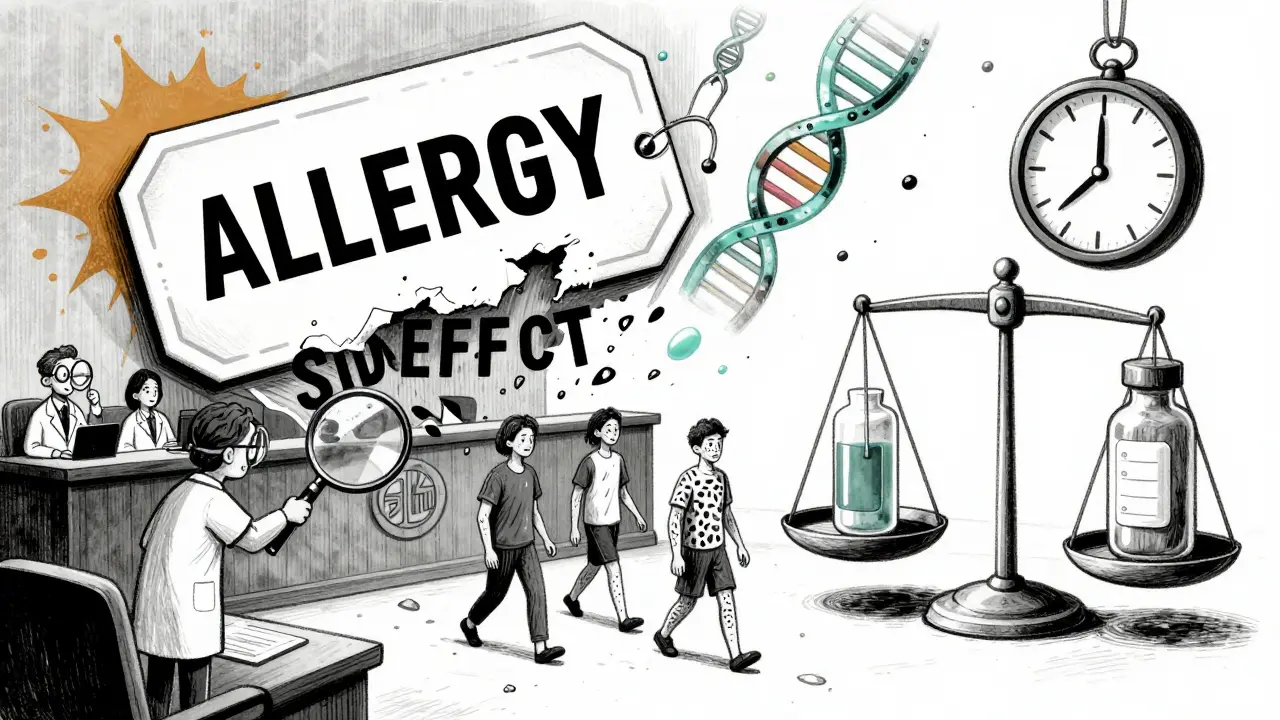
Big hospitals are changing. Epic Systems, the electronic health record company, added a feature in 2021 that lets providers pick between “true allergy” and “side effect” when documenting opioid reactions. In 1,200 hospitals, that cut wrong allergy labels by 45%.
And guidelines are catching up. The American Pain Society and the American Academy of Allergy now say: don’t label someone allergic just because they got itchy. Use the Opioid Allergy Assessment Tool - check the timing, the dose, and how they respond to antihistamines. If itching improves with Benadryl and a lower dose? That’s not an allergy. That’s a side effect.
What’s Next for Opioid Reactions
Research is moving fast. Scientists are working on new opioids that don’t trigger histamine release at all. Two drugs - CR845 and NOP receptor agonists - are in late trials. They cut itching by 80% without losing pain relief.
Genetic testing might soon tell you if you’re more likely to react. A 2022 study found people with certain variations in the HTR7 gene release more histamine when given morphine. That could mean personalized dosing in the future.
And Stanford is developing a point-of-care test that can tell within minutes whether a reaction is true allergy or pseudoallergy. It’s not here yet, but FDA submission is expected in 2024.
Bottom Line: Don’t Let Itching Keep You From Pain Relief
If you get itchy on an opioid, don’t panic. Don’t assume you’re allergic. Don’t let that label stick unless you had swelling, trouble breathing, or a drop in blood pressure. Talk to your doctor. Ask about lowering the dose. Ask about switching to fentanyl or methadone. Ask about taking Benadryl first. You’re not broken. You’re just reacting to the chemistry - and that’s something you can fix without giving up pain control.
Itching isn’t a reason to avoid opioids. It’s a signal to adjust them. And that’s a better way to manage pain than to shut the door entirely.


Matthew Morales
February 4, 2026 AT 08:24one hamzah
February 4, 2026 AT 20:22Brendan Ferguson
February 4, 2026 AT 22:32jan civil
February 6, 2026 AT 03:31Nancy Maneely
February 6, 2026 AT 05:11Tehya Wilson
February 7, 2026 AT 02:10Phoebe Norman
February 8, 2026 AT 03:18Albert Lua
February 9, 2026 AT 07:38divya shetty
February 10, 2026 AT 17:25