
Brain Zaps: What They Are, Why They Happen, and How to Manage Them
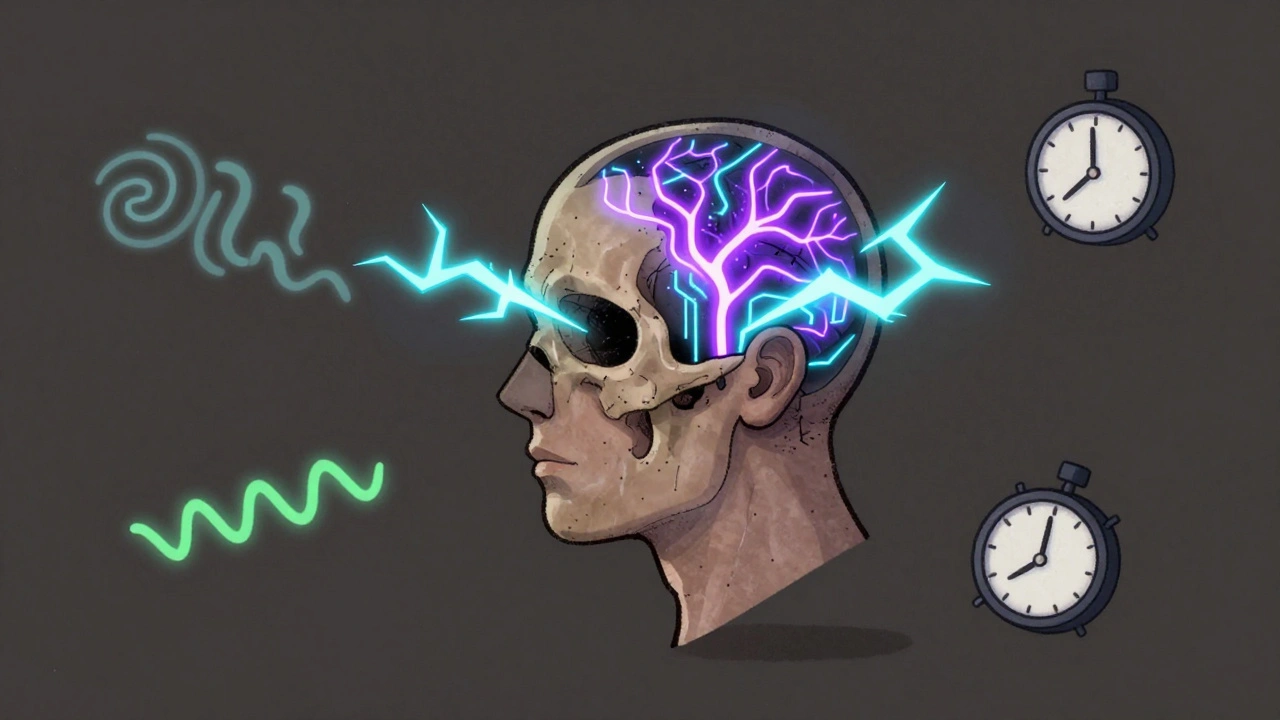
When people stop taking antidepressants too quickly, some report a strange, unsettling feeling—like a brief electric shock inside their head. This is commonly called a brain zap, a sudden, brief electrical sensation in the head that often occurs during antidepressant withdrawal. Also known as antidepressant discontinuation syndrome, it’s not dangerous, but it can be startling and disruptive. These aren’t seizures or strokes—they’re neurological side effects tied to how your brain adjusts after years of being regulated by medication.
Brain zaps most often show up after stopping SSRIs, a class of antidepressants that increase serotonin levels in the brain like sertraline or escitalopram, or after reducing doses of SNRIs, medications that affect both serotonin and norepinephrine like venlafaxine. They’re more likely if you quit cold turkey, skip doses, or switch meds without a proper taper. Some people feel them once a day; others get them multiple times an hour. They usually last a few seconds and may come with dizziness, ringing in the ears, or nausea.
Why do they happen? Your brain gets used to steady levels of neurotransmitters. When those levels drop suddenly, your nervous system stumbles trying to readjust. It’s like turning off a water pump mid-flow—the pipes rattle. Studies show up to 56% of people stopping SSRIs experience some form of discontinuation symptom, and brain zaps are among the most commonly reported. The good news? They almost always fade within days to weeks after stabilizing your dose or finishing a slow taper.
There’s no magic pill to stop them, but slowing down your medication change makes a huge difference. If you’re thinking about quitting or switching meds, talk to your doctor before making any moves. A gradual reduction—sometimes over weeks or months—can prevent or minimize these sensations. Some people find relief with good sleep, hydration, or reducing caffeine. Avoid alcohol and stimulants during this time—they can make brain zaps worse.
What you’ll find in the posts below isn’t just theory—it’s real advice from people who’ve been there, and from pharmacists and clinicians who’ve seen the patterns. You’ll learn how to recognize the signs early, how to talk to your doctor about tapering safely, and what other medications or supplements might help or hurt during withdrawal. No fluff. No scare tactics. Just clear, practical info to help you get through this without panic.
Antidepressant Discontinuation Syndrome: What It Is and How to Manage It Safely
Antidepressant discontinuation syndrome causes real physical symptoms like brain zaps, dizziness, and nausea when stopping medication too quickly. Learn how to taper safely, recognize withdrawal vs. relapse, and manage protracted symptoms.
About
Medications