
Cirrhosis Ascites: Causes, Treatment, and What You Need to Know
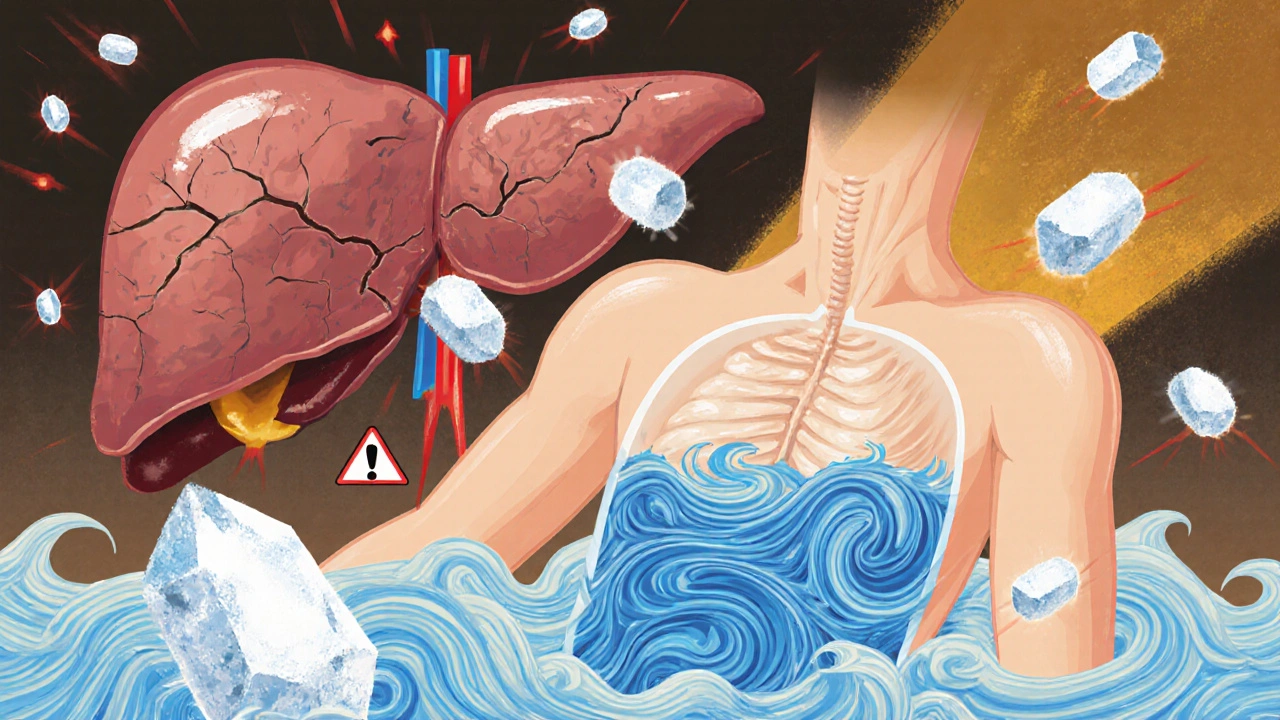
When your liver is damaged from long-term disease, it can’t function properly—and one of the most common signs is cirrhosis ascites, the abnormal buildup of fluid in the abdomen caused by advanced liver scarring. Also known as abdominal ascites, it’s not a disease on its own, but a warning sign that your liver is struggling to regulate fluids and pressure in your body. This happens because scar tissue blocks blood flow through the liver, raising pressure in the portal vein. That pressure pushes fluid out of blood vessels and into the belly, causing swelling, discomfort, and sometimes trouble breathing.
People with liver cirrhosis, a late stage of scarring from chronic liver damage are the ones most at risk. Common causes include heavy alcohol use, hepatitis B or C, and fatty liver disease. Once ascites shows up, it usually means the cirrhosis is advanced. You might notice your belly getting bigger, feeling heavy, or your shoes fitting tighter. Weight gain isn’t from fat—it’s from fluid. And if left unchecked, it can lead to infection, kidney problems, or even liver failure.
Managing portal hypertension, the high blood pressure in the vein that carries blood from the intestines to the liver is key. Doctors usually start with diuretics for ascites, medications like spironolactone and furosemide that help your kidneys flush out extra fluid. But it’s not just about pills. Cutting back on salt is just as important—too much sodium makes fluid retention worse. In severe cases, doctors may drain fluid directly from the belly with a needle, a procedure called paracentesis. Some patients need a shunt to redirect blood flow around the liver, or even a transplant if the damage is too far gone.
What you’ll find in this collection are real, practical guides on how cirrhosis ascites connects to other liver conditions, what medications help most, how to spot early signs, and what lifestyle steps actually make a difference. You’ll see how diuretics work in practice, why salt restriction isn’t just advice but a necessity, and how other health issues like kidney function or infections play into the picture. No fluff. No guesswork. Just clear info from people who’ve seen this condition up close.
About
Medications