
Discontinuation Syndrome: What It Is, Why It Happens, and How to Avoid It
When you stop taking certain medications suddenly, your body doesn’t just reset—it reacts. This reaction is called discontinuation syndrome, a set of physical and mental symptoms that occur after stopping a drug your body has adapted to. Also known as withdrawal syndrome, it’s not the same as addiction, but it can feel just as unsettling. Many people assume if a drug isn’t addictive, stopping it is harmless. That’s not true. Even common meds like antidepressants, blood pressure pills, or even some pain relievers can cause this.
Discontinuation syndrome isn’t random. It happens because your brain and body have adjusted to the presence of the drug. When it’s gone, your system is out of balance. For example, stopping an SSRI antidepressant too fast can lead to dizziness, electric-shock sensations, nausea, or even anxiety that feels worse than before you started. Benzodiazepines, often used for anxiety or sleep, can trigger tremors, insomnia, or seizures if stopped abruptly. Even medications like beta-blockers for heart conditions can cause rebound high blood pressure or rapid heartbeat. These aren’t side effects of the drug—they’re your body’s way of readjusting after the drug is removed.
What makes this worse is that many patients aren’t warned. Doctors focus on starting meds, not stopping them. And patients assume if they feel fine, they can quit cold turkey. But the truth is, tapering, the gradual reduction of a medication dose over time is often the only safe way out. It’s not about being weak—it’s about biology. Your nervous system needs time to rewire. Some people need weeks. Others need months. And the speed depends on the drug, your dose, how long you’ve been on it, and even your metabolism.
There’s no one-size-fits-all plan. Stopping sertraline is different than stopping clonazepam, which is different than stopping a daily blood pressure pill. That’s why you can’t just look up a generic taper schedule online. You need to work with your provider, track your symptoms, and adjust based on how your body responds. Some people feel fine after a 10% weekly reduction. Others need to hold at a dose for weeks before going lower. The goal isn’t to rush—it’s to avoid the crash.
And here’s something most don’t realize: discontinuation syndrome can be mistaken for a relapse of the original condition. If you stop an antidepressant and feel anxious again, you might think your depression is coming back. But it could just be your brain adjusting. That’s why tracking symptoms—when they started, how long they last, what triggers them—is critical. It helps you and your doctor tell the difference between a true relapse and a withdrawal reaction.
What you’ll find below are real, practical guides from people who’ve been there. You’ll see how to talk to your doctor about tapering, what to expect when stopping common meds, how to spot early warning signs, and what to do if symptoms hit hard. These aren’t theoretical. They’re from patients and pharmacists who’ve seen the fallout of rushed stops—and figured out how to prevent it.
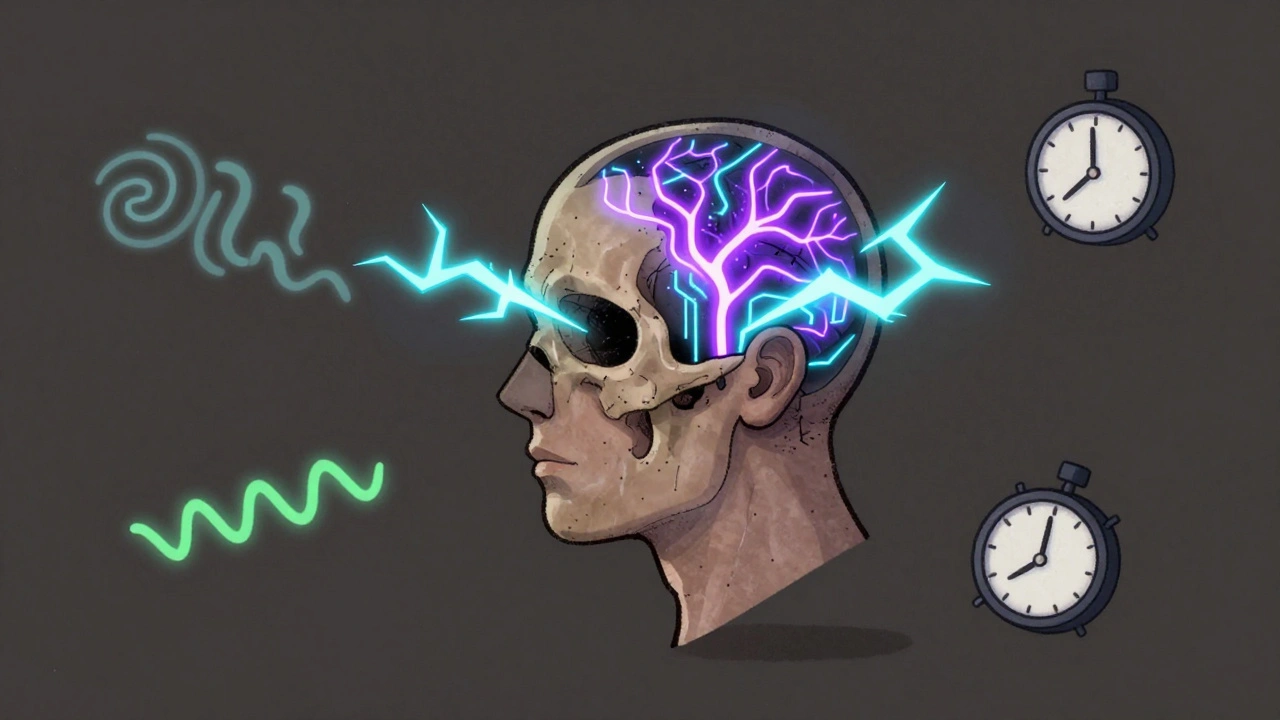
Antidepressant Discontinuation Syndrome: What It Is and How to Manage It Safely
Antidepressant discontinuation syndrome causes real physical symptoms like brain zaps, dizziness, and nausea when stopping medication too quickly. Learn how to taper safely, recognize withdrawal vs. relapse, and manage protracted symptoms.
About
Medications