
PPI Therapy: What It Is, How It Works, and What You Need to Know
When your stomach makes too much acid, PPI therapy, a treatment using proton pump inhibitors to block acid production. Also known as proton pump inhibitor therapy, it’s one of the most common ways doctors manage chronic heartburn and acid-related damage. These drugs don’t just calm symptoms—they let your esophagus and stomach lining heal by turning off the acid pump at its source. But they’re not harmless, and using them longer than needed can cause real problems.
PPI therapy is often prescribed for GERD, gastroesophageal reflux disease, where stomach acid flows back into the esophagus, and for peptic ulcers, sores in the stomach or small intestine caused by bacteria or NSAIDs. It’s also used in cases of Zollinger-Ellison syndrome and sometimes with antibiotics to kill H. pylori. But if you’ve been on PPIs for more than a few months without a clear reason, you might be taking them longer than you need. Studies show long-term use can lead to nutrient deficiencies, bone loss, and even kidney issues. The body adapts to less acid, and suddenly stopping can cause rebound heartburn that feels worse than before.
Not everyone who takes PPIs needs them for life. Many people can taper off with lifestyle changes—eating smaller meals, avoiding late-night snacks, cutting back on caffeine and alcohol, and losing weight if needed. Some switch to H2 blockers like famotidine for short-term relief. Others find that simply elevating the head of their bed helps more than they expected. The key is working with your doctor to find the lowest effective dose and the shortest time possible. PPI therapy works well, but it’s not a cure. It’s a tool. And like any tool, it’s best used with purpose.
Below, you’ll find real-world guides on medications that interact with PPIs, how they affect other treatments, and what to watch for when you’re managing acid reflux alongside other health issues. From drug interactions with antibiotics to how PPIs impact nutrient absorption, these posts give you the practical details you won’t get from a pill bottle.
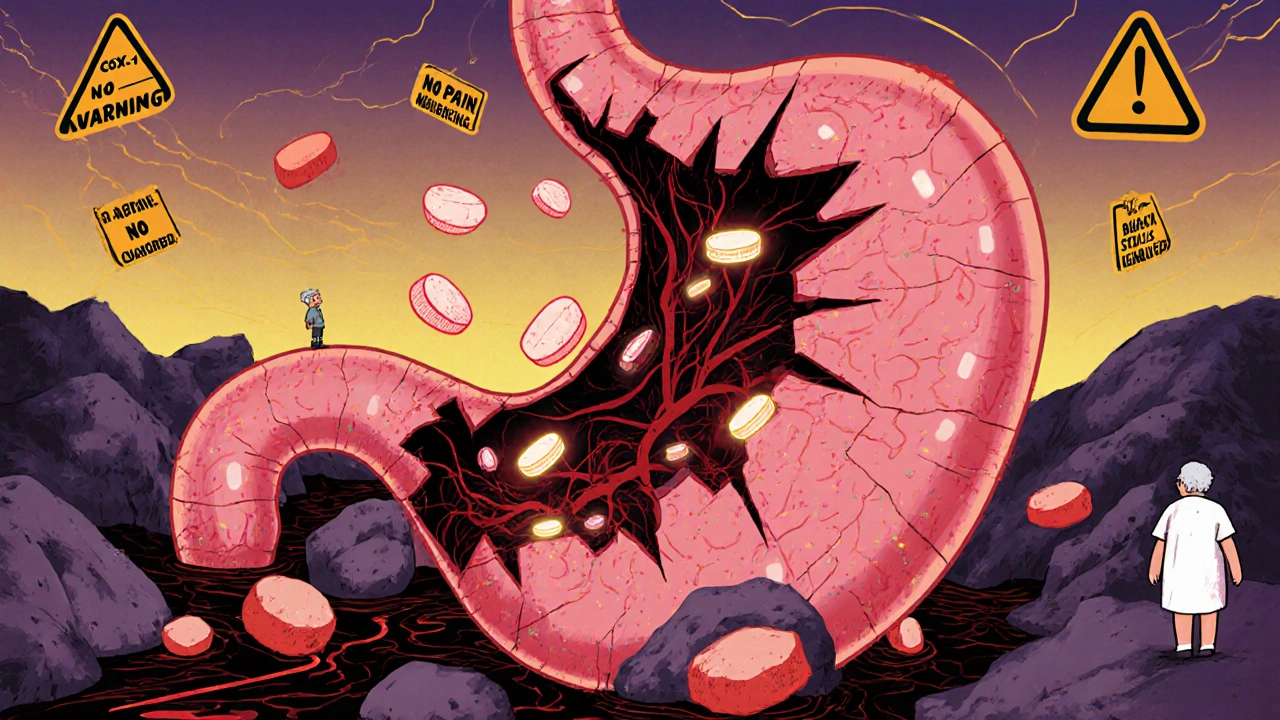
NSAIDs and Peptic Ulcer Disease: Understanding the Risk of Gastrointestinal Bleeding
NSAIDs like ibuprofen and naproxen can cause serious stomach bleeding, especially in older adults or those with risk factors. Learn who’s most at risk, how to protect yourself with PPIs, and safer alternatives for long-term pain relief.
About
Medications