
Triglycerides: What They Are, Why They Matter, and How to Manage Them
When you eat more calories than your body needs right away, it turns the extra into triglycerides, a type of fat stored in fat cells and released for energy between meals. Also known as blood fats, they’re a normal part of your metabolism—but too many can hurt your heart. Unlike cholesterol, which builds up in arteries, triglycerides are more about energy storage. But when levels climb above 150 mg/dL, they start signaling trouble—especially when paired with low HDL or high LDL.
High triglycerides often come from sugar, refined carbs, alcohol, and excess calories. They don’t usually cause symptoms, but they’re closely tied to heart health, insulin resistance, and fatty liver. People with metabolic syndrome, type 2 diabetes, or obesity often have elevated levels. And while statins get all the attention for cholesterol, triglycerides need their own strategy—diet, exercise, and sometimes medication like fenofibrate or prescription omega-3s.
What you eat matters more than you think. Cutting out sugary drinks, white bread, and pastries can drop triglycerides by 20-50% in weeks. Regular movement—even a daily 30-minute walk—helps your body burn fat instead of storing it. Alcohol is a big one: even moderate drinking can spike levels. And if you’re on meds like beta-blockers, steroids, or birth control, talk to your doctor—some can raise triglycerides as a side effect.
You won’t find a magic pill that fixes this alone. But the good news? Small, consistent changes work. Lose 5-10% of your body weight, swap soda for water, and get moving—and you’ll likely see results faster than you expect. Below, you’ll find real-world guides on how medications, diet, and lifestyle interact with triglyceride levels. No fluff. Just what actually helps people bring theirs down and keep them there.
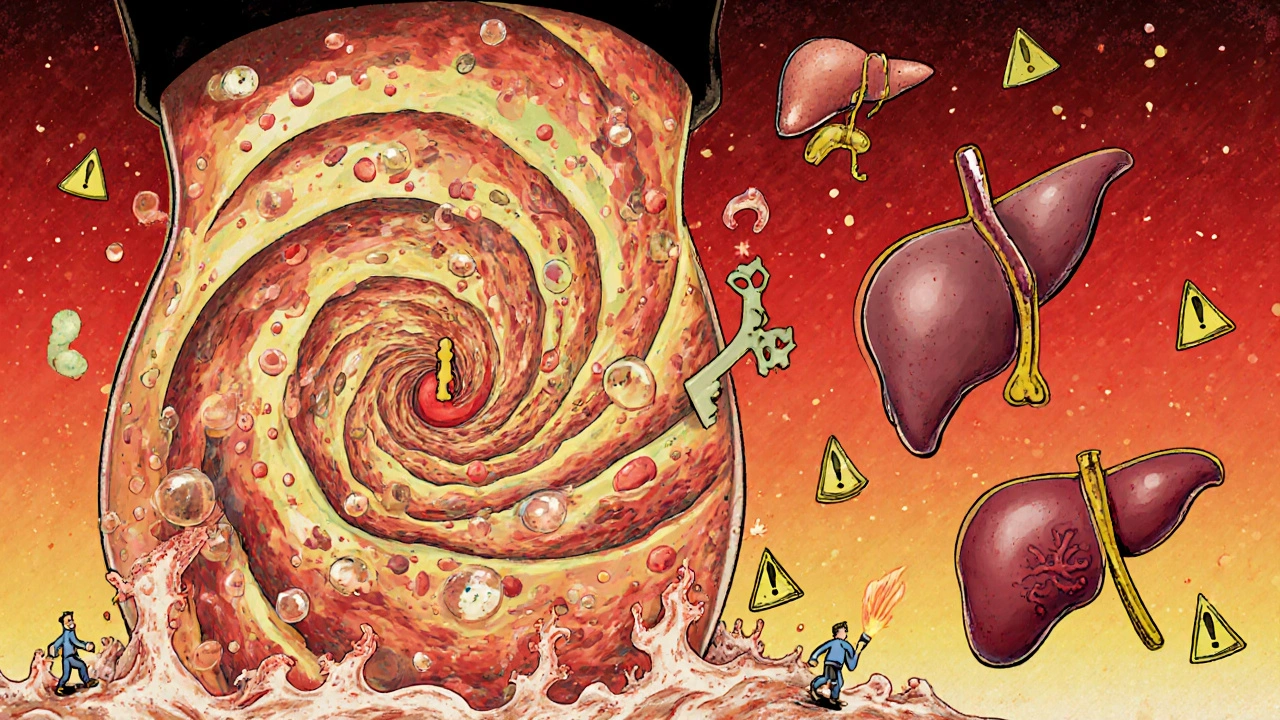
Metabolic Syndrome: How Waist Size, Triglycerides, and Glucose Control Are Connected
Metabolic syndrome links waist size, high triglycerides, and poor glucose control through insulin resistance. Learn how these three factors interact, why they raise your risk for heart disease and diabetes, and what real lifestyle changes can reverse them.
About
Health and Wellness