
Warfarin: What You Need to Know About Blood Thinners, Interactions, and Safety
When you take warfarin, a prescription blood thinner used to prevent dangerous clots in the heart, brain, or legs. Also known as Coumadin, it works by slowing down your blood’s ability to clot—helping avoid strokes, heart attacks, and pulmonary embolisms. But warfarin isn’t like other pills. One wrong food, supplement, or medicine can throw off its balance, and that’s not something you can guess your way through.
What makes warfarin tricky is how sensitive it is. Your body’s response depends on your diet, genetics, liver function, and what else you’re taking. INR monitoring, a simple blood test that measures how long it takes your blood to clot is your lifeline. Doctors use it to adjust your dose—too low, and you risk a clot; too high, and you could bleed internally. You can’t skip these tests. A single missed check can lead to serious problems.
And then there are the drug interactions, the hidden dangers that can make warfarin too strong or too weak. Antibiotics, painkillers like ibuprofen, even some herbal teas can interfere. You might think a cold medicine or a vitamin is harmless, but with warfarin, nothing is. Even something as simple as eating more spinach or kale—foods high in vitamin K—can reduce its effect. That’s why keeping a consistent diet matters just as much as taking your pill on time.
People on warfarin often worry about bleeding, bruising, or falling. That’s valid. But the real risk isn’t the pill itself—it’s the lack of awareness around what changes around it. A study from the CDC found that nearly half of all warfarin-related hospital visits happen because of drug or diet changes people didn’t tell their doctor about. You don’t need to live in fear, but you do need to be sharp. Keep a list of every medication and supplement you take. Tell every new doctor you’re on warfarin—even your dentist. Don’t start anything new without checking first.
What you’ll find in the posts below isn’t just general advice. It’s real-world guidance pulled from people who’ve lived with warfarin, doctors who manage it daily, and studies that show what actually works. You’ll see how it compares to newer blood thinners, what happens when you switch meds, how to handle missed doses, and why some people react badly to generics—even when the active ingredient is the same. This isn’t theory. It’s what you need to know to stay safe, avoid hospital visits, and take control without overcomplicating things.
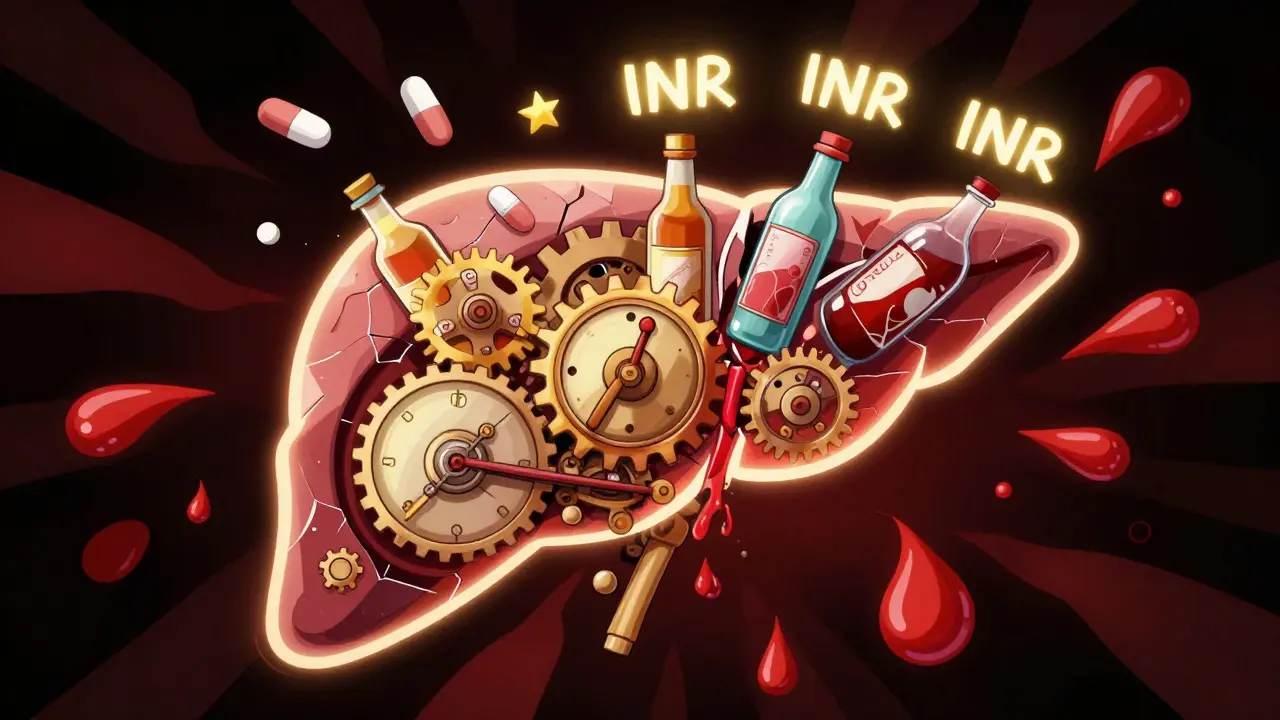
Alcohol Binge Drinking and Warfarin: What You Need to Know About INR Swings and Bleeding Risk
Binge drinking while on warfarin can cause dangerous INR spikes and life-threatening bleeding. Learn how alcohol affects your blood thinner, what the real risks are, and what steps to take to stay safe.
About
Medications