Alcohol Equivalency & Interaction Risk Calculator
Pure Alcohol Load
Calculating...
Equivalency Check (Same Pure Alcohol)
Spirit Measure
Glass of Wine
Can of Beer
Interaction Assessment
Please run analysis.
Scientific Context:
- Cytochrome P450 Competition: Alcohol takes priority in the liver, delaying drug breakdown.
- Spirits: Fast absorption leads to rapid peak blood alcohol concentration (BAC).
- Beer: Larger volume required for same ethanol load, but creates cumulative stomach irritation.
- Wine: Contains polyphenols which may increase bleeding risk with thinners.
The Myth of the "Safe" Drink
There is a persistent belief floating around our pubs and living rooms that a glass of wine is harmless when you're on medication, but a pint of beer might be risky. You might have heard someone say, "It's fine, it's just wine," while taking antibiotics or painkillers. Here's the hard truth: ethanol is ethanol. Whether it comes from a spirit, a red label pinot, or a lager, your liver doesn't really care where the alcohol came from-it just sees the chemical.
Alcohol-Medication Interaction is a critical safety concern where ethanol interferes with how drugs are processed in the body, potentially causing severe side effects or treatment failure. While the source matters less than you think, the speed at which you consume it does matter significantly. If you take prescription meds, thinking one type of alcohol is "safe" could lead to a dangerous spike in blood alcohol concentration (BAC).
How Your Liver Handles the Mix
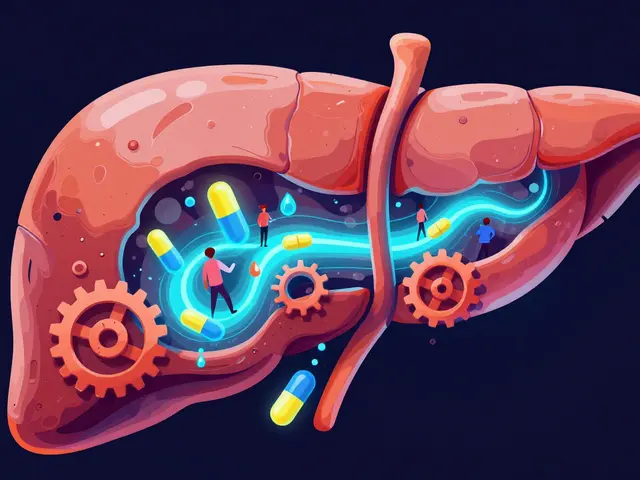
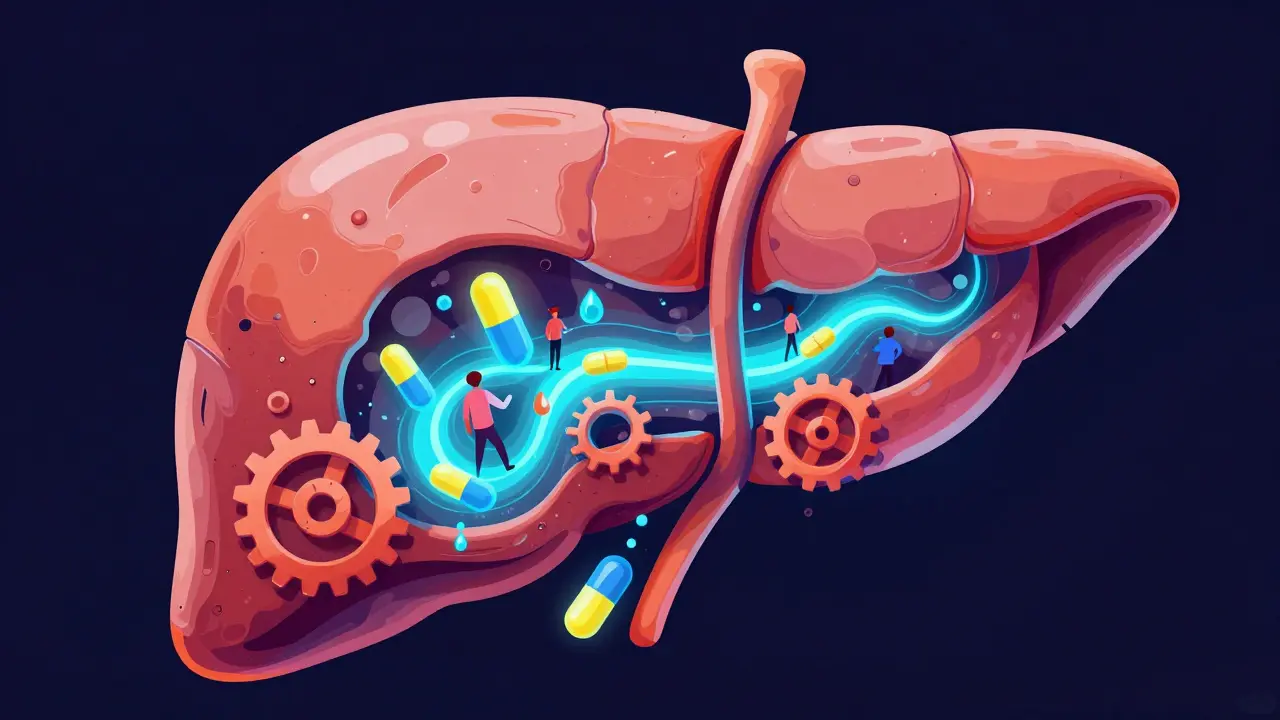
To understand why this happens, we need to look under the hood of your biology. When you swallow a drink, the ethanol goes straight to your liver. Your liver has a team of enzymes, primarily known as the Cytochrome P450 enzyme system, that works overtime to break down substances.
Here is the problem: medications also need these enzymes. Think of it like a traffic jam on a single-lane road. Both the alcohol and the pill are trying to get through the same bottleneck. When alcohol arrives, it grabs priority because it's easier to process initially. That means your medication sits in traffic. This delays the breakdown of the drug, leaving higher concentrations of it circulating in your bloodstream than intended.
This isn't just theory; clinical pharmacokinetics show that 90% of alcohol metabolism occurs via specific pathways like alcohol dehydrogenase. Research indicates that even a blood alcohol level of 0.08%-which is the legal driving limit in many places-can increase sedative effects by 300-500%. So, if you pop a sleeping pill and have a drink, that drowsiness isn't just additive; it multiplies.
Why Spirits Carry the Highest Immediate Risk
Distilled spirits like vodka, gin, and whiskey sit at 40% alcohol by volume (ABV) typically. They contain very little water compared to beer or wine. When you take a shot, you are delivering a concentrated dose of ethanol almost instantly.
Because spirits are usually consumed quickly, your body hasn't started metabolizing the earlier drinks by the time you finish the last one. This leads to a rapid rise in peak BAC. Clinical trials suggest that mimicking this rapid ingestion produces 40% greater interaction severity with central nervous system depressants like benzodiazepines compared to drinking the same amount slowly.
- Fast Absorption: Clear liquids pass through the stomach to the small intestine faster than carbonated or sugary drinks.
- Volume Illusion: A 50ml measure of vodka hits you harder per minute than a 330ml can of beer, even if the total pure alcohol is identical.
- Carbonated Mixers: Mixing spirits with soda or champagne increases gastric emptying rates by 25%, speeding up intoxication and reaction onset.
The Hidden Danger in a Pint of Beer
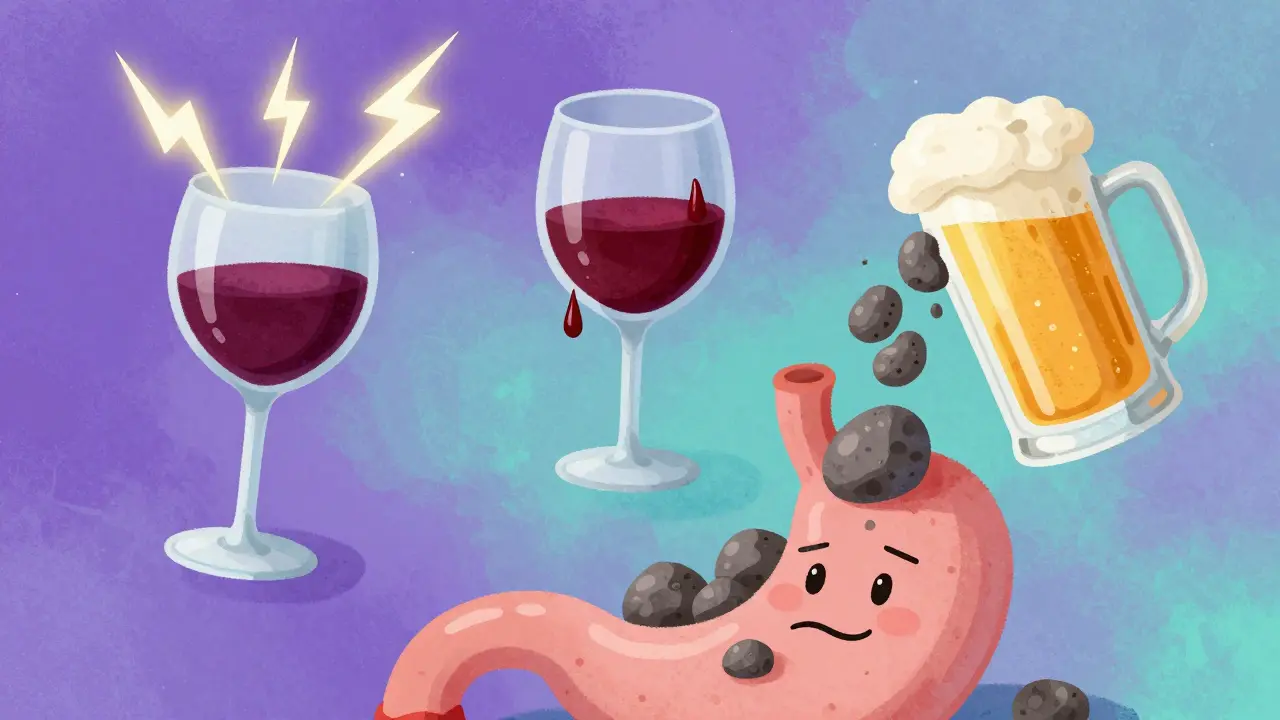
Beer has a reputation for being mild, with standard lagers sitting around 4-5% ABV. Many people assume this lower percentage makes it safer with their prescriptions. However, this creates a false sense of security that drives cumulative toxicity.
You rarely drink a pint of beer in one gulp. You sip it over an hour or more. But here is the trick: to match the ethanol dose in that single measure of spirits mentioned earlier, you need to consume 12 ounces (roughly 350ml) of beer. Most people treat the pub trip as a social event involving three or four pints before they realize how much pure alcohol they've absorbed.
Data from the CDC shows that beer accounts for nearly half of unintentional alcohol-medication interactions in the U.S. simply because people drink larger volumes before feeling the effects. If you are taking NSAIDs like ibuprofen, beer can be particularly nasty for the stomach lining. Drinking beer while on NSAIDs was reported by over 60% of users as leading to unexpected stomach bleeding due to the combination of irritants.
Wine: More Than Just Fermented Grapes
Wine is often viewed as sophisticated and healthier, especially red wine which contains polyphenols. Some believe antioxidants might counteract medication risks. While theoretically interesting, the practical reality is different.
| Beverage Type | Typical ABV | Absorption Speed | Primary Medication Risk |
|---|---|---|---|
| Spirits | 35-50% | Rapid | Sedatives / CNS Depressants |
| Wine | 9-16% | Moderate | Anticoagulants / Antibiotics |
| Beer | 4-7% | Slower | Gastrointestinal / NSAIDs |
Wine interacts uniquely with certain blood-thinning medications like warfarin. Red wine specifically was found to increase bleeding risk by 15% compared to spirits at equivalent doses due to antiplatelet compounds naturally present in the grape skin. Furthermore, wine is the biggest culprit for something called a "disulfiram-like reaction." If you are on antibiotics like metronidazole, even a small glass of wine can trigger flushing, palpitations, and violent vomiting.
Understanding the Standard Drink Rule
To manage your risk, you need to understand equivalency. A "standard drink" is a universal measurement used by healthcare providers to gauge ethanol load. In the UK and globally, health agencies define this based on pure alcohol grams, not glass size.
The Equivalency Equation:
- 10ml to 12ml of pure alcohol ≈ One Small Glass (125ml) of Wine (12% ABV)
- 25ml to 35ml of pure alcohol ≈ One Measure (25-35ml) of Spirits (40% ABV)
- 40ml to 45ml of pure alcohol ≈ One Pint (500ml) of Strong Beer or Cider
If your medication warns against alcohol, it usually means any amount exceeding this threshold triggers a warning signal. The NHS and NICE guidelines emphasize that "occasional" might mean once a week, but combining that with potent antidepressants can still cause issues.
Checking Your Own Safety
Don't guess. If you are unsure, look at the patient information leaflet (PIL) inside your medicine box. It often lists interactions clearly. Digital tools have improved dramatically as of 2026. Apps like GoodRx allow you to scan your pills and cross-reference them with common foods and beverages.
If you feel unsure, wait. The safest window is waiting until the medication leaves your system, but since everyone metabolizes differently, the only guaranteed safety margin is complete abstinence for high-risk categories like opioids or benzodiazepines. Doctors are moving toward mandatory screening during prescription processing, but the final decision remains yours.
Is it safe to drink non-alcoholic beer with medication?
Generally yes, but check the label. Non-alcoholic beer still contains trace amounts (usually 0.5% ABV). For most drugs this is negligible, but for those avoiding alcohol completely due to addiction history, caution applies.
Does food help reduce the alcohol-medication reaction?
Eating slows down gastric emptying, meaning alcohol enters your bloodstream slower. This reduces the peak effect slightly, but it does not stop the chemical interaction between the two substances in your liver.
Which medicines are most dangerous to mix with alcohol?
The highest risk includes benzodiazepines (like Diazepam), opioids (like Codeine), and sleeping tablets. These slow your breathing; adding alcohol makes respiratory failure a real danger.
Can I drink wine with paracetamol?
Paracetamol breaks down in the liver using the same pathway as alcohol. Combining them stresses the liver significantly. Even two standard drinks can increase hepatotoxicity risk by 300%. Limit both or consult your pharmacist.
Are herbal teas safer than alcohol with meds?
Herbal teas do not contain ethanol and are generally safer. However, some herbs like St John's Wort interact with medications themselves, similar to how alcohol does.