

Key Takeaways for Fast Action
- Call 911 immediately before administering the spray.
- Check breathing: If they breathe fewer than 12 times per minute, act now.
- Administer: Insert nozzle into a nostril and press the plunger firmly.
- Wait and Repeat: Give a second dose in the other nostril if there is no response after 2-3 minutes.
- Recovery Position: Turn the person on their side once they start breathing.
Recognizing the Signs of an Opioid Overdose
You can't treat what you don't recognize. An overdose happens when opioids overwhelm the brain's ability to control breathing. You aren't looking for one single sign, but a cluster of symptoms. Look for pinpoint pupils (extremely small pupils) and a total lack of response to voice or touch. A reliable way to test responsiveness is the "sternum rub": rub your knuckles hard against the center of their chest for 5 to 10 seconds. If they don't flinch or moan, it's an emergency.
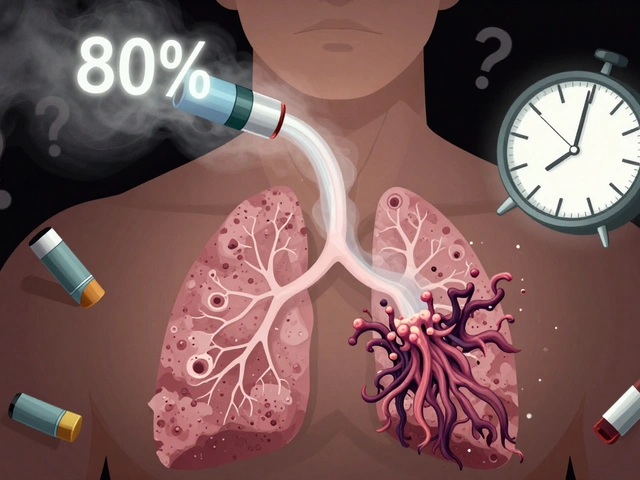
The most critical indicator is the breathing. If you see no chest movement for 15 seconds, or if their breathing is slow and shallow (fewer than 12 breaths per minute), the brain is starving for oxygen. You might also notice a "gurgling" sound or blue-tinted lips and fingernails. Don't waste time wondering if they are just "sleeping it off"-if these signs are present, assume it is an overdose and act.
Step-by-Step Guide to Using Naloxone Nasal Spray
When panic sets in, it's easy to fumble. Follow these exact steps to ensure the medication is delivered correctly. While many people use NARCAN Nasal Spray, the process is virtually identical for most nasal versions.
- Call for Help: Dial 911 (or your local emergency number) immediately. Naloxone is a temporary fix; the drug that caused the overdose will eventually outlast the naloxone, and the person could stop breathing again once the medication wears off.
- Position the Person: Lay them flat on their back. Gently tilt their head back to ensure the airway is open.
- Prepare the Device: Pull the nasal spray out of its packaging. Be careful not to press the plunger yet-doing so prematurely wastes the entire dose.
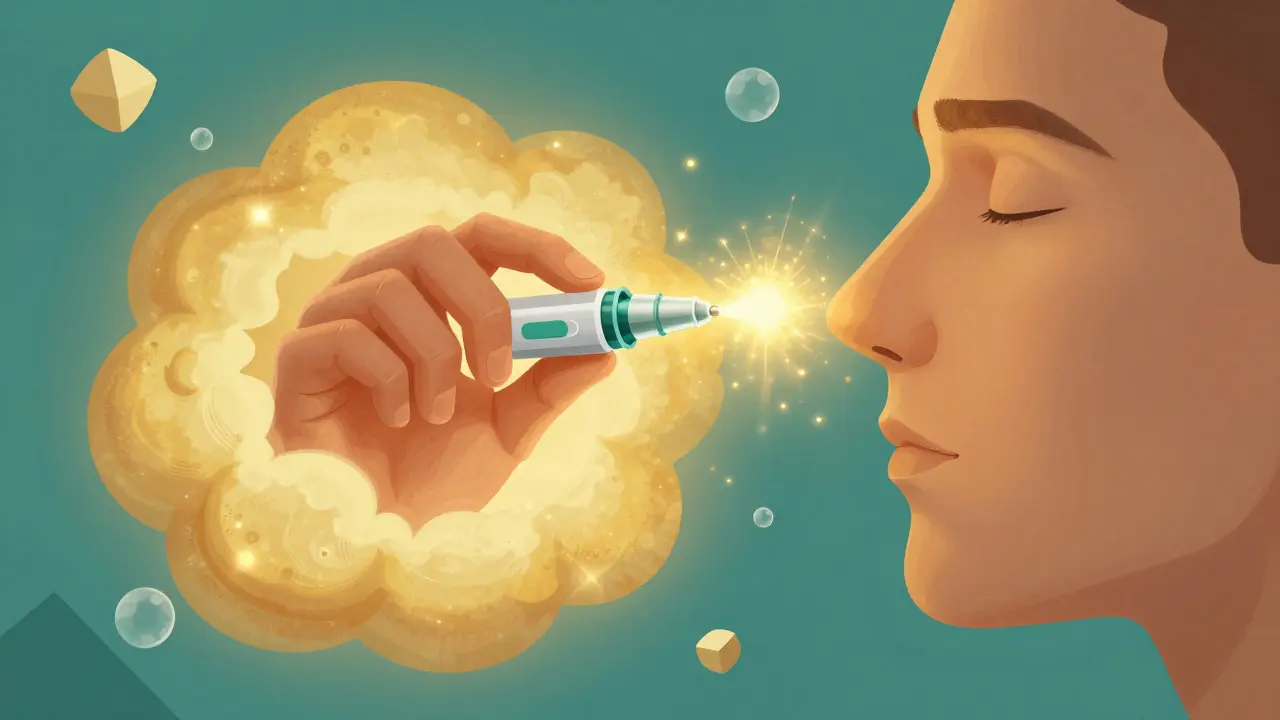
- Insert the Nozzle: Gently place the nozzle into one nostril. You don't need to shove it in deep; just insert it until your fingers on either side of the nozzle touch the bottom of the person's nose.
- Deliver the Dose: Press the plunger firmly and quickly. You should feel the device activate. Make sure the plunger goes all the way down to deliver the full dose.
- Wait and Monitor: Stay with the person. It usually takes 2 to 5 minutes for the medication to work. Check for normal breathing (between 12 and 20 breaths per minute).
- Repeat if Necessary: If the person hasn't woken up or started breathing normally after 2 to 3 minutes, use a new device in the opposite nostril. Potent synthetic opioids like fentanyl often require multiple doses to break the bond with the brain's receptors.
- The Recovery Position: If they start breathing but remain unconscious, roll them onto their side. This prevents them from choking if they vomit, which is common during a reversal.
Understanding the Limits and Potency of Synthetic Opioids
Not all overdoses are the same. In the past, heroin was the primary concern, but today, the landscape is dominated by synthetic opioids. Fentanyl is significantly more potent than morphine or heroin, which means it binds more tightly to the opioid receptors. Because of this, a single dose of naloxone might not be enough.
Data shows that about 32% of fentanyl-involved overdoses require two or more doses of naloxone. Some ultra-potent analogs, like carfentanil, may require even more. This is why it's vital to have multiple units of the spray on hand. If you've given three doses and there is still no response, don't stop; continue providing rescue breathing or CPR if you are trained to do so until paramedics arrive.
| Attribute | Standard Value (NARCAN) |
|---|---|
| Dose Strength | 4 mg (3.8 mg naloxone hydrochloride) |
| Onset of Action | 2 to 5 minutes |
| Duration of Effect | 30 to 90 minutes |
| Storage Temperature | 68°F to 77°F (20°C to 25°C) |
| Shelf Life | 24 months |
Common Pitfalls and How to Avoid Them
In a high-stress situation, a few common mistakes can happen. One of the biggest is incomplete administration. Some users stop pressing the plunger before it's fully depressed, resulting in a partial dose. Push it all the way. Another issue is the incorrect position; if the person is lying on their stomach, you cannot effectively open their airway or administer the spray. Always roll them onto their back first.
There is also the fear of "doing it wrong" or causing harm. It's important to know that naloxone only works on opioids. If the person has overdosed on alcohol, benzodiazepines, or cocaine, naloxone won't do anything, but it also won't hurt them. If you aren't sure what they took, give the naloxone anyway. The risk of a false alarm is nothing compared to the risk of an untreated overdose.
Post-Reversal Care and Safety
The moment a person wakes up after naloxone can be chaotic. They may be confused, agitated, or even aggressive because the medication suddenly strips the opioids from their brain, triggering precipitated withdrawal. Stay calm, keep them talking, and explain that they overdosed and you gave them naloxone to save their life.
Crucially, do not let the person leave or go back to using. Because naloxone only lasts between 30 and 90 minutes, it is possible for the person to slip back into an overdose once the spray wears off, especially if the original opioid had a long half-life. Professional monitoring for at least 4 to 6 hours is the gold standard, which is why the 911 call at the start is non-negotiable.

Alternative Delivery Methods
While the nasal spray is the most popular due to its ease of use, other forms exist. Auto-injectors and intramuscular vials are used in some clinical settings or by experienced responders. However, the nasal route is preferred for community use because it requires no needles, reducing the risk of accidental needle sticks and making it less intimidating for the average bystander.
For those in the US, the FDA's move to make naloxone available over-the-counter (OTC) has drastically increased access. You no longer need a doctor's prescription to keep this in your glove box or purse, making it a standard part of a first-aid kit for those who know someone at risk.
Does naloxone work on all types of opioids?
Yes, it works on heroin, morphine, oxycodone, and synthetic opioids like fentanyl. However, because fentanyl is so potent, you may need multiple doses to fully reverse the effects.
Can I give too much naloxone?
It is very difficult to give a toxic amount of naloxone. If the person isn't overdosing on opioids, the drug generally has no effect. If they are overdosing, the benefit of restoring breathing far outweighs the risk of giving extra doses.
What if the person doesn't wake up after the second dose?
Continue to monitor their breathing and perform rescue breathing or CPR if you are trained. Some extremely potent synthetic opioids may require more than two doses. Stay on the line with emergency dispatch for further guidance.
Will naloxone cause the person to go into withdrawal?
Yes, by blocking the opioid receptors, naloxone can trigger immediate withdrawal symptoms like nausea, sweating, and agitation. This is a sign the drug is working, but it can make the person feel very sick.
How should I store my naloxone spray?
Store it at room temperature, ideally between 68°F and 77°F (20°C to 25°C). Avoid leaving it in a hot car for long periods, as extreme heat can degrade the medication over time.
Next Steps for Safety
If you're carrying naloxone for the first time, don't wait for a real emergency to learn how it works. Use a training device if available or watch instructional videos from health authorities like SAMHSA. Additionally, check your local laws regarding Good Samaritan laws; in many regions, you are legally protected when administering naloxone in good faith to save a life.
Keep a small reference card in your kit with the signs of overdose and the steps for administration. In the heat of the moment, having a physical checklist can stop you from freezing and help you act decisively.

Jasmin Stowers
April 13, 2026 AT 07:18super helpful guide. everyone should have this in their car
Scott Lofquist
April 14, 2026 AT 12:52Actually, it's a bit naive to assume everyone just has a phone handy to call 911 first. Some of us actually understand how chaos works in the real world 🙄. Plus, the pharmacological half-life isn't the only variable here, the bioavailability of the nasal mucosa differs wildly between patients 💊🤡
melissa mac
April 15, 2026 AT 23:07It's so important to emphasize that we shouldn't judge the person waking up. They're going through a medical crisis and the immediate withdrawal can be terrifying for them. Let's keep the focus on safety and compassion.
Kenzie Evans
April 16, 2026 AT 15:35This guide is way too basic. Like, obviously we know how to use a spray bottle. Why is this even a thing? Just tell people to get a real medical kit instead of relying on this overpriced nasal mist that barely works on the heavy stuff anyway
mimi clouet
April 16, 2026 AT 19:06Just a heads up! In some states, you can actually get these for free at community health centers or pharmacies! 🌟 It's a total game changer for harm reduction! ✨
rupa das
April 17, 2026 AT 17:59not sure why people think 911 is the first move. sometimes the fear of police makes people hesitate and that's where the real danger is
Randy Ryder
April 18, 2026 AT 07:10The mention of carfentanil is crucial because the binding affinity of these ultra-potent analogs is significantly higher than standard mu-opioid receptor agonists. We are seeing a shift where traditional dosing protocols are insufficient. It's an issue of competitive antagonism where the naloxone simply cannot displace the ligand quickly enough without repeated administration. This is why we need to discuss the pharmacokinetics of nasal delivery versus the intramuscular route in high-potency scenarios. We should also look into the systemic distribution and how it affects the blood-brain barrier penetration in emergent cases. It's not just about the dose but the rate of saturation. I've seen cases where the patient remains hypoxic for far too long because the bystander didn't understand the need for repeated doses. We need more education on the specific molecular interaction between synthetic fentanils and the receptors. The titration of naloxone is a delicate balance between reversing respiratory depression and inducing acute withdrawal syndrome. If you dump too much too fast, the sympathetic surge can be dangerous. But in the case of respiratory arrest, the priority is always ventilation. The guide covers the basics well, but the complexity of synthetic chemistry is what really kills people now. We need to be talking about the potency of the illicit supply. It's a public health crisis that requires a nuanced understanding of toxicology. The nasal spray is a tool, but the knowledge of what you're fighting is the real weapon. Let's push for more comprehensive training in urban centers where these synthetic opioids are most prevalent.
Tabatha Pugh
April 18, 2026 AT 13:17I actually know a few people who've misused these sprays and it doesn't always go as smoothly as the brochure says. You have to be careful with the nozzle placement or it just hits the septum and does nothing.
Princess Busaco
April 20, 2026 AT 12:10It is simply tragic that we have reached a point in our decadent society where a plastic nozzle is the only thing standing between a soul and the void, and frankly, the way this guide suggests we just "keep it in the glove box" as if it were a spare tire is an absolute insult to the gravity of addiction. We are treating a spiritual and systemic collapse with a quick-fix chemical bandaid, and while the steps are technically correct, they completely ignore the visceral horror of the precipitated withdrawal which is a nightmare no one should have to endure without a holistic support system. I find it utterly repulsive that the focus is on the "technical specifications" of a product rather than the systemic failure of our healthcare infrastructure that allows fentanyl to permeate every corner of our existence. One must wonder if the pharmaceutical companies are just laughing at us while we buy their OTC solutions to a problem they helped create decades ago with the over-prescription of oxycodone. It's a cycle of misery and the clinical tone of this guide just strips away the human element of the tragedy entirely. We don't need more manuals on how to spray a nose; we need a revolution in how we perceive pain and dependency in the first place. But sure, just put it in your purse and hope for the best while the world burns around us.
Sam Dyer
April 21, 2026 AT 14:01Listen up, this is basic survival stuff! 🇺🇸 If you can't handle a simple nasal spray, you're just dead weight in a crisis. Get your gear and be ready, otherwise you're just another statistic! 👊
Ikram Khan
April 22, 2026 AT 07:09OMG this is so scary but so necessary!! 😱 I never knew about the sternum rub thing! That is literally a life saver!! Thanks for sharing!! ✨
Catherine Mailum
April 23, 2026 AT 23:19oh great just what we need another list of steps for when your friend is basically a zombie. love how the "recovery position" is just a fancy way of saying "don't let them choke on their own vomit" lol
Mary Johnson
April 24, 2026 AT 22:18Wait, who is actually providing this "OTC" access? I bet it's just a way for the government to track who's buying it and put them on a list. They want us dependent on these chemicals and then they'll just stop producing the ones that actually work when they want to clear out the population. Be careful who you trust with this stuff!
Olivia Lo
April 25, 2026 AT 17:22There is a certain ontological tension in the act of forced awakening. While the physiological imperative is to preserve the somatic function, we must consider the psychic trauma of the sudden return to consciousness. It is a violent transition from the unconscious state to the raw reality of withdrawal.
Anurag Moitra
April 25, 2026 AT 22:53The inclusion of technical specifications provides a necessary baseline for those administering the care. It is imperative that we standardize these responses to maximize survival rates across various demographics
melissa mac
April 27, 2026 AT 03:39I completely agree with the point about the recovery position. It's one of those small details that people forget in a panic but it makes a huge difference.