
Statin Side Effect Risk Calculator
Statin Side Effect Assessment
When you’re prescribed a statin to lower cholesterol, you probably don’t think about whether it’s water-loving or fat-loving. But that tiny difference - hydrophilic vs lipophilic - can make a real difference in how your body reacts. And if you’ve ever had muscle pain, fatigue, or brain fog after starting a statin, understanding this split might help you figure out what’s going on.
What Does Hydrophilic vs Lipophilic Even Mean?
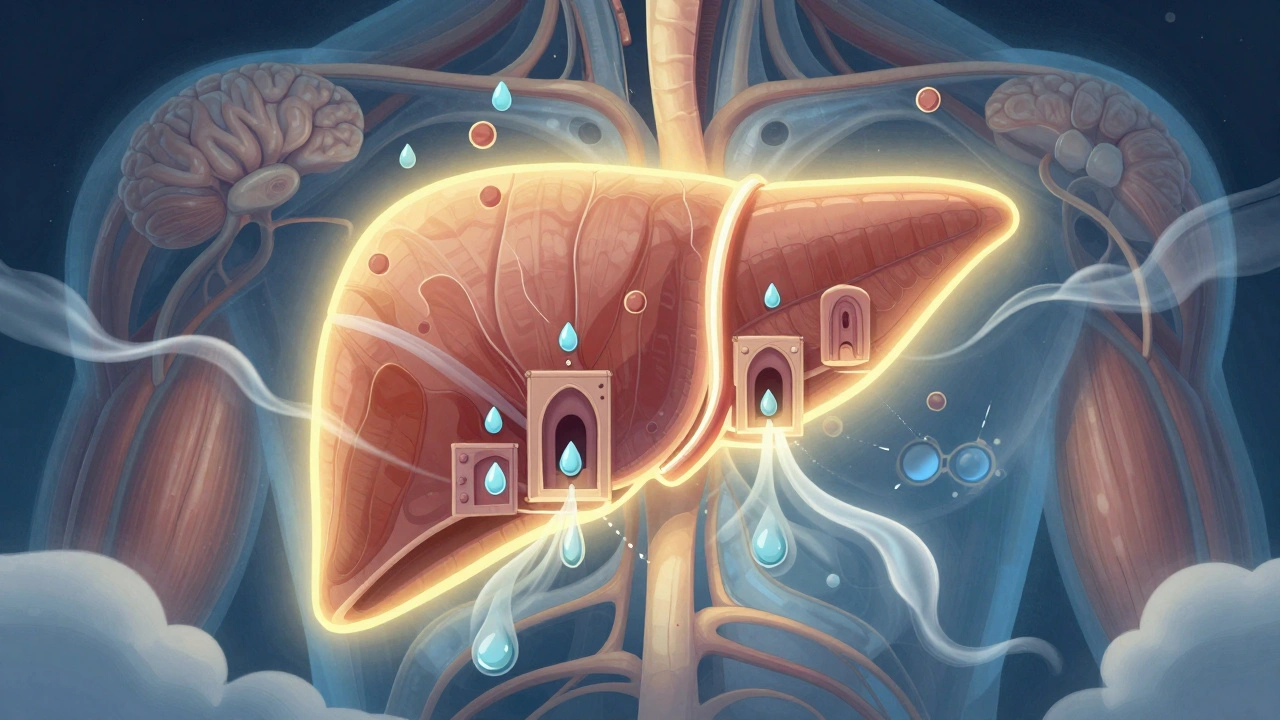
Think of it like this: hydrophilic statins are water-soluble. They don’t easily slip through cell membranes. Instead, they need special doors - called transporters - to get into cells, and those doors are mostly in your liver. That’s where they’re supposed to work: blocking cholesterol production. Because they can’t wander far, they mostly stay put. Lipophilic statins? They’re fat-soluble. They slide through cell membranes like butter on toast. That means they don’t just go to the liver. They can get into your muscles, nerves, even your brain. That’s not always bad - but it increases the chance they’ll cause trouble where they’re not supposed to be. The main hydrophilic statins you’ll see are pravastatin and rosuvastatin. The lipophilic ones? Simvastatin, atorvastatin, fluvastatin, lovastatin, and pitavastatin. That’s most of the statins out there.Why Does This Matter for Side Effects?
The biggest worry with statins is muscle pain. Up to 1 in 10 people report it. Some call it myalgia. Others just say, “I feel like I ran a marathon after sitting on the couch.” For years, doctors were taught that lipophilic statins cause more muscle problems because they get into muscle tissue more easily. That made sense. More access = more risk, right? But here’s where it gets messy. A 2021 study of 15 million people in the UK looked at actual side effect rates - not theory. It found that rosuvastatin (hydrophilic) had a higher risk of muscle issues than atorvastatin (lipophilic). Another study showed simvastatin (lipophilic) was worse than atorvastatin, but not because of lipophilicity - just because it’s a stronger dose. The pattern isn’t clean. In fact, some experts now say the whole lipophilicity theory has been blown out of proportion. Dr. Ray wrote in JAMA Internal Medicine in 2022: “We’ve been chasing a ghost.” So why do so many people swear they feel better switching from simvastatin to pravastatin? Because sometimes, it’s not about the chemical type. It’s about the dose. Simvastatin is often prescribed at 40mg or 80mg - high doses. Rosuvastatin is potent, even at 5mg or 10mg. A high dose of any statin, lipophilic or not, increases risk. And some people just react badly to certain molecules, no matter their solubility.It’s Not Just About Muscles
Muscle pain gets all the attention, but it’s not the only side effect. Lipophilic statins cross the blood-brain barrier more easily. That’s why some people report memory fog, trouble sleeping, or mood changes. These aren’t common, but they’re real enough that people stop taking their meds. One Reddit thread with 142 comments found 78% of users linked brain fog to lipophilic statins like atorvastatin. Hydrophilic statins, because they’re more liver-focused, tend to have fewer drug interactions. Pravastatin, for example, is barely processed by the liver’s CYP3A4 enzyme. That’s good news if you’re on blood thinners, antibiotics, or heart meds. Simvastatin? It’s a magnet for interactions. Even grapefruit juice can turn it dangerous. There’s also kidney health. If you have reduced kidney function, hydrophilic statins like pravastatin and rosuvastatin are safer. They’re cleared through the kidneys less, and studies show they reduce heart events more in this group.
Gender and Age Change the Game
One of the weirdest findings? Gender matters more than you’d think. A 2023 study in Nature Scientific Reports looked at hearing loss and statins. In men, hydrophilic statins seemed to protect hearing. In women? They might have increased the risk. No one knows why. But it shows we’re missing something big in how these drugs work. Age matters too. If you’re over 65, your risk of muscle side effects jumps. So does your risk if you’re thin, female, or on other meds like amiodarone. These factors are stronger predictors than whether your statin is hydrophilic or lipophilic.What Do Real Patients Say?
Talk to people on forums like HealthUnlocked or Reddit, and you’ll hear the same thing: “I switched from Lipitor to Pravachol and my legs stopped aching.” The American Heart Association’s patient forum found 63% of people who switched from lipophilic to hydrophilic statins felt better. But then you get the outliers: someone on Reddit says, “I had terrible muscle pain on rosuvastatin - switched to pravastatin and it got worse.” That’s the problem. There’s no universal rule. One person’s solution is another’s nightmare. Dave’s Health Journey blog tells the story of a man who had severe pain on rosuvastatin - a hydrophilic statin - and only improved when he switched to pravastatin, another hydrophilic one. So even within the same group, responses vary.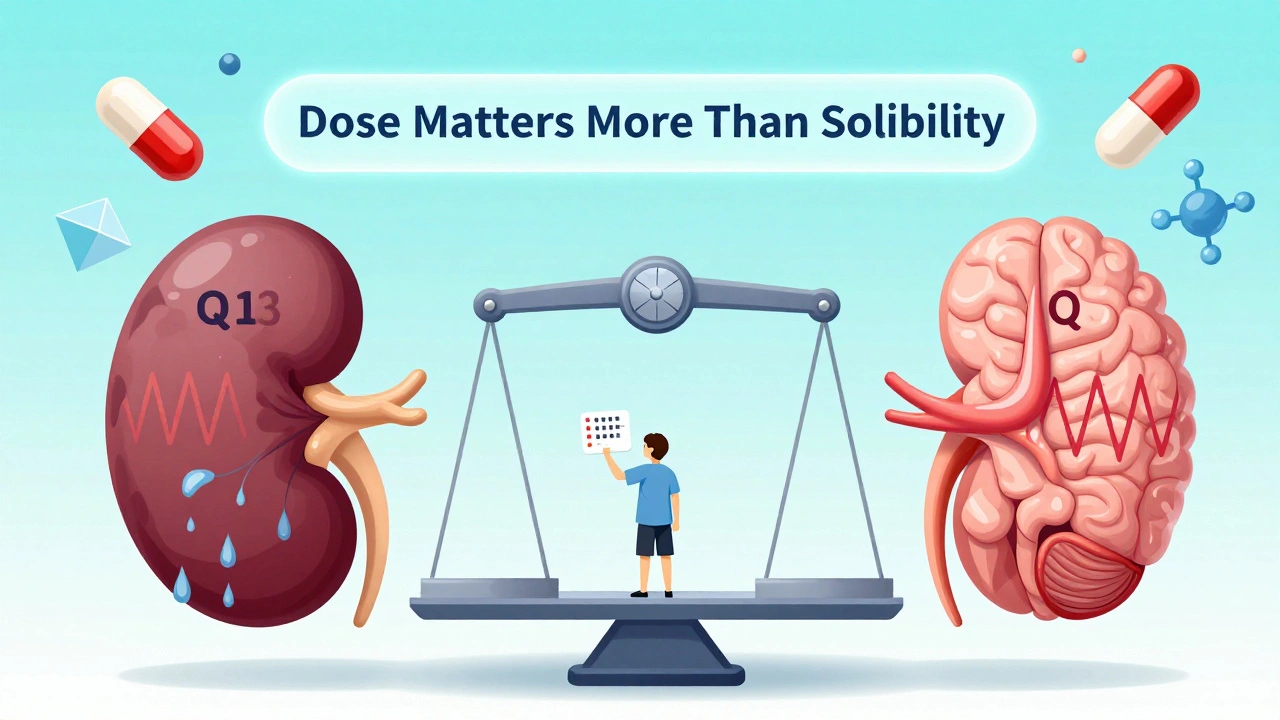
What Should You Do?
Don’t panic. Don’t stop your statin. But do ask your doctor these questions:- Is my dose the lowest effective one? High doses are riskier, no matter the type.
- Am I on any other meds that could interact? If yes, hydrophilic statins like pravastatin are safer.
- Do I have kidney issues? Then stick with hydrophilic.
- Am I over 65 or underweight? Those are bigger red flags than lipophilicity.
- Have I tried lowering the dose or switching days? Sometimes, taking it every other day helps.
What About New Options?
There’s good news: you don’t have to stick with statins if they’re not working. Bempedoic acid (Nexletol) is a new drug that lowers cholesterol without entering muscle cells. It’s not a statin, but it works alongside them. And it’s safe for people who can’t tolerate statins at all. Also, adding ezetimibe to any statin improves results without raising side effects. The 2022 IMPROVE-IT trial showed that even with lipophilic statins, adding ezetimibe made muscle pain less likely.Bottom Line: It’s Not Black and White
The old idea that lipophilic statins = more side effects, hydrophilic = safer? It’s outdated. Real-world data doesn’t back it up. What actually matters:- Dose - Lower is better if it works.
- Drug interactions - Pravastatin wins here.
- Your body - Age, kidney function, weight, other meds.
- Your symptoms - Track them. Don’t guess.
Are hydrophilic statins always safer than lipophilic ones?
No. While hydrophilic statins like pravastatin and rosuvastatin are more liver-targeted and have fewer drug interactions, studies show they don’t consistently cause fewer muscle side effects. In fact, some data suggests rosuvastatin may have a higher risk of muscle pain than atorvastatin. The difference in side effects is not as clear-cut as once thought.
Can statins cause brain fog or memory problems?
Yes, though it’s rare. Lipophilic statins like atorvastatin and simvastatin can cross the blood-brain barrier more easily, which might lead to cognitive side effects like brain fog or trouble sleeping in some people. Hydrophilic statins are less likely to do this. If you notice mental changes after starting a statin, talk to your doctor - it might be worth switching.
Should I switch statins if I have muscle pain?
Maybe. But don’t assume switching to a hydrophilic statin will fix it. Try lowering the dose first, or switch to another statin in the same group (e.g., from simvastatin to atorvastatin). If that doesn’t help, then try a hydrophilic option. Many people find relief with intermittent dosing (every other day) or adding coenzyme Q10. About 68% of people who adjust their regimen see improvement.
Does kidney disease affect which statin I should take?
Yes. If you have reduced kidney function (eGFR under 60), hydrophilic statins like pravastatin and rosuvastatin are preferred. They’re less dependent on kidney clearance and have been shown to reduce heart events more effectively in this group than lipophilic statins.
Is there a statin that doesn’t cause muscle pain at all?
No statin is completely free of muscle side effects - but bempedoic acid (Nexletol) is a non-statin option that lowers cholesterol without entering muscle cells. It’s often used with statins or for people who can’t tolerate them. It’s not a magic bullet, but it’s a solid alternative.



Juliet Morgan
December 4, 2025 AT 12:59I switched from Lipitor to pravastatin after six months of muscle stiffness that felt like my legs were wrapped in concrete. Within two weeks, I could walk up stairs without groaning. Not because of hydrophilic vs lipophilic magic - it was just that my body hated atorvastatin’s molecular vibe. Listen to your body, not the textbook.
Krishan Patel
December 4, 2025 AT 15:33Let’s be clear: anyone who blames lipophilicity for side effects is ignoring pharmacokinetic fundamentals. The real issue is CYP3A4 metabolism, not solubility. Simvastatin is a CYP3A4 substrate - that’s why grapefruit juice kills you. Rosuvastatin isn’t metabolized that way, so it’s not ‘safer’ - it’s just not a metabolic liability. Stop oversimplifying biochemistry into buzzwords.
Jimmy Jude
December 5, 2025 AT 14:24My uncle took rosuvastatin and started forgetting his own grandchildren’s names. Then he switched to pravastatin and suddenly remembered his wedding anniversary - 47 years ago. Coincidence? Maybe. But I’ve seen too many people lose their minds on statins to think this is just ‘rare.’ The pharmaceutical industry doesn’t want you to know statins can fog your brain like a bad Zoom call.
Laura Saye
December 5, 2025 AT 22:48It’s fascinating how we reduce complex physiology to binary labels - hydrophilic, lipophilic - as if the body is a chemistry set. The truth is, we’re still mapping how individual genetics, gut microbiome, and even circadian rhythms modulate statin response. One person’s ‘safe’ statin is another’s nightmare. Maybe the real takeaway isn’t which molecule you take, but how deeply you listen to your own symptoms. I’ve seen patients thrive on simvastatin and crash on pravastatin - and vice versa. There’s no universal algorithm, only personal data.
Katie Allan
December 7, 2025 AT 05:09I’ve been on statins for 12 years. I tried every one. What finally helped wasn’t switching types - it was taking it every other day and adding magnesium glycinate. Muscle pain vanished. I’m not saying this works for everyone, but if you’re stuck, don’t just swap pills. Experiment with timing, supplements, and lifestyle. Your doctor might not suggest it, but your body will thank you.
Carole Nkosi
December 8, 2025 AT 19:05Stop pretending this is science. The data is cherry-picked. Rosuvastatin was pushed by big pharma because it’s patent-protected and expensive. They buried the muscle toxicity studies. Now everyone parrots ‘it’s not about lipophilicity’ like it’s gospel. Wake up. If it were that simple, why do 70% of people on Reddit report improvement switching to pravastatin? There’s a reason patients know more than the guidelines.
Mark Ziegenbein
December 9, 2025 AT 10:51Let’s cut through the noise - this isn’t about solubility or liver targeting or CYP enzymes, it’s about dosage and duration. A 10mg dose of rosuvastatin is a completely different beast than 80mg simvastatin. The latter is a sledgehammer to a walnut. Most side effects come from excessive dosing, not molecular polarity. And yes, brain fog? Real. But it’s not because statins ‘cross the BBB’ - it’s because they deplete CoQ10, which is critical for mitochondrial energy in neurons. Supplement CoQ10. Problem solved. No need for philosophical debates about hydrophilicity.
Norene Fulwiler
December 11, 2025 AT 02:54In my community in South Africa, we’ve seen a lot of statin intolerance in older women with low body weight. We started switching them to pravastatin 10mg - and the drop in muscle complaints was dramatic. But here’s the twist: some women developed new anxiety symptoms. We didn’t expect that. It’s not just about muscles or the liver. It’s about the whole system. We’re still learning. And we’re listening.
Lucy Kavanagh
December 12, 2025 AT 17:38Did you know the FDA approved rosuvastatin based on a trial where 90% of participants were white men under 50? Meanwhile, Black women over 70 with kidney issues were excluded. So now we’re telling them ‘it’s safe’? That’s not science - that’s colonial medicine. The ‘hydrophilic is safer’ myth is built on data that never included the people most at risk. Don’t trust the guidelines. Demand better studies.
Kylee Gregory
December 14, 2025 AT 17:02What if the whole hydrophilic vs lipophilic debate is just a distraction? Maybe the real answer is that statins are blunt instruments - and we’re treating them like precision tools. The body isn’t a machine with simple inputs and outputs. It’s a living, breathing ecosystem. Sometimes, the best solution isn’t swapping one drug for another - it’s stepping back, reducing the dose, and letting the body heal. I’ve seen people get off statins entirely and still keep their LDL under control with diet, movement, and stress management. It’s not glamorous, but it’s real.