

Probiotic Safety Risk Assessor
Probiotic Safety Checklist
Disclaimer: This tool is for informational purposes only and does not replace professional medical advice. Always consult your physician before starting new supplements.
1. What is your current medical context?
2. Do you have any of these specific conditions?
3. What are you planning to take?
The Hidden Danger in Your Gut Supplements
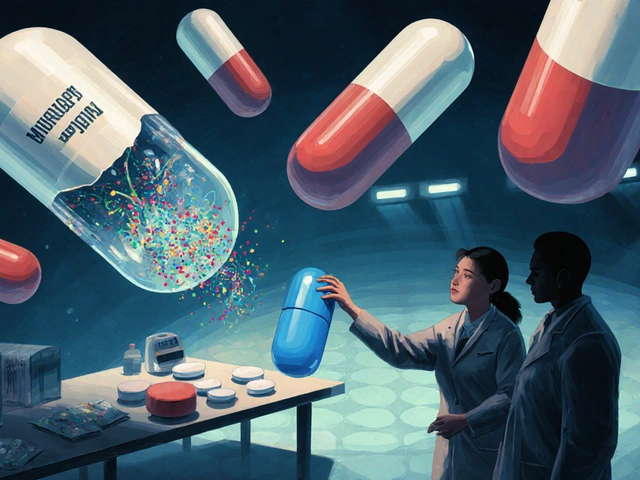
It sounds counterintuitive: you take something labeled "live culture" to help your body, yet in specific situations, those live microbes can turn against you. For most people walking down the aisle of a health store, Probiotics are harmless gut helpers. But if you are taking medications that lower your immunity, that "helpful" bacteria might cross the line into causing life-threatening infections. This isn't theoretical speculation anymore. Medical literature from the last five years has documented real cases where healthy-seeming supplements led to sepsis or fungemia in patients who were medically compromised.
The stakes are incredibly high. We are talking about organisms entering the bloodstream where they have no business being. According to recent systematic reviews, while these incidents are rare in the general population, the consequences for immunocompromised individuals can be severe. Understanding exactly why this happens-and how to navigate your regimen safely-is the difference between managing your health effectively and putting yourself in unnecessary danger.
How Probiotics Interfere With Immunosuppressants
To understand the risk, we first need to break down the mechanism. Immunosuppressants are medications designed to reduce the activity of the immune system. Doctors prescribe these for critical reasons, such as preventing organ rejection after a transplant, managing aggressive autoimmune diseases like lupus or rheumatoid arthritis, or treating certain cancers.
Your immune system acts like a security guard at the border of your intestines. Normally, it keeps bacteria confined to the gut lumen where they belong. When you take immunosuppressants, that security is dialed down. Suddenly, the "security guard" can't stop certain passengers from leaving the station.
Here is where the complication arises. Probiotics contain living microorganisms-usually strains of Lactobacillus or Bifidobacterium. Under normal conditions, your gut lining and immune cells keep these bacteria in check. However, when your immune defenses are suppressed, these bacteria can translocate. Translocation means they slip through the intestinal barrier and enter areas where nutrients are abundant and competition is low, like the blood, heart valves, or internal organs.
Once inside the blood, these organisms start multiplying rapidly. Because your body isn't fighting back aggressively due to your medication, they cause systemic infections like bacteremia or fungemia. This process explains why a supplement safe for the average person becomes a potential toxin for a patient on cyclosporine or tacrolimus.
Safety Statistics and Real-World Evidence
You might wonder how common this is. While the numbers seem small statistically, the impact on the individual patient is massive. Data from a PMC article covering cases between 2000 and 2020 identified 47 cases of probiotic-related infections. Crucially, 83% of these occurred in immunocompromised patients. More alarmingly, the mortality rate among these severe cases was approximately 36%.
This isn't just a theoretical risk limited to one study. A 2018 review in Clinical Infectious Diseases highlighted that combinations involving Saccharomyces boulardii (a yeast-based probiotic) and central venous catheters resulted in case fatality rates as high as 22%.
Another layer of concern comes from regulatory bodies. In July 2023, the FDA issued a safety communication specifically requiring warning labels on probiotics containing Saccharomyces boulardii for immunocompromised patients. They cited 14 distinct cases of fungemia since 2020 alone. Even the European Food Safety Authority rejected 95% of health claims for probiotics between 2010 and 2020 due to insufficient evidence, highlighting that we still lack robust safety data for these products in high-risk groups.

Risk Assessment by Patient Group
Not everyone taking immune-modulating drugs faces the same level of danger. Risk stratification is key here. Based on guidelines updated by the Infectious Diseases Society of America (IDSA) in 2023, we can break down the risk into four specific categories.
| Risk Category | Patient Profile | Recommendation |
|---|---|---|
| Category 1 (Highest) | Neutrophils <500 cells/µL, recent stem cell transplant, active central lines | Absolute contraindication |
| Category 2 (Moderate) | Solid organ transplant (<3 months), multiple immunosuppressants | Use only with specialist consultation |
| Category 3 (Lower) | Stable autoimmune disease, single agent, CD4 count >200 | Selective strains only, monitor closely |
| Category 4 (Low) | No active immunosuppression or very stable chronic condition | Standard precautions apply |
If you fall into Category 1, such as someone who recently had a bone marrow transplant or has severe neutropenia (very low white blood cell count), the risk vastly outweighs any potential benefit. Studies show a 4.2-fold increased risk of bacteremia in bone marrow recipients using probiotics compared to non-users.
For solid organ transplant recipients, the picture is slightly more nuanced. A 2022 meta-analysis in Liver Transplantation showed liver transplant patients saw a 34% reduction in bacterial infections with probiotics and no serious adverse events. However, this exception doesn't apply universally. Kidney or heart transplant patients often fall into the higher risk bracket, especially within the first three months post-surgery when immunosuppression is most intensive.
The Specific Culprits: Which Strains Matter?
Many patients assume all probiotics are the same. They are not. Strain specificity is arguably the most important factor in safety. Generic labels saying "Bacteria blend" offer zero protection against understanding safety.
- Lactobacillus rhamnosus GG: This is currently the most frequently reported pathogen in probiotic-related infections, accounting for 28 of the 47 documented cases in the major review mentioned earlier.
- Saccharomyces boulardii: As a yeast rather than a bacteria, this strain poses unique risks. It thrives in environments with high sugar and nutrients, like the human bloodstream. It is strongly contraindicated for anyone with a central venous catheter (CVAD).
- Multi-strain Formulations: Products mixing multiple bacterial species increase the complexity of translocation risks. A 2022 study in Clinical Microbiology and Infection noted that single-strain probiotics had a 63% lower translocation risk than multi-strain formulations.
If you decide, under strict medical supervision, to use a probiotic, you must insist on knowing the exact strain code (e.g., Lactobacillus plantarum 299v). Vague descriptions are not enough.
Actionable Safety Guidelines for Patients
Navigating this landscape requires a proactive approach. You shouldn't guess; you should verify. Here is a practical checklist derived from current expert consensus.
- Verify Your Risk Level: Ask your doctor to clarify your absolute neutrophil count or transplant timeline. Determine which of the four IDSA categories you fit into.
- Inventory Your Supplements: Read the label. Do you see Saccharomyces? Do you see a mix of bacteria? If yes, flag it for discussion.
- Monitor for Symptoms: If you are on moderate-risk medication and using probiotics, watch for fever above 38.3°C (101°F), shaking chills, or rapid heart rate. These signs of systemic infection require immediate discontinuation of the supplement.
- Consider Timing: Some oncologists advise avoiding probiotics entirely during periods of myelosuppression (when blood counts drop after chemotherapy) and reintroducing them once recovery begins.
One crucial point regarding food sources: Fermented foods like yogurt or kefir are sometimes considered safer than concentrated supplements because they contain lower concentrations of live cultures. However, even these should be approached with caution if you have severe immunosuppression, particularly regarding unpasteurized dairy.

Emerging Alternatives: The Rise of Postbiotics
There is growing hope for a safer middle ground. Researchers are increasingly turning to Postbiotics inactivated microbial cells and metabolites that retain health benefits without living risks. Since postbiotics contain no live organisms, the risk of translocation and sepsis drops to near zero.
A phase 2 trial published recently showed that postbiotics could reduce C. difficile infections by 40% in immunocompromised patients with no adverse events. This technology represents a shift away from "live" cultures toward functional metabolic extracts. If you are discussing alternatives with your provider, asking about postbiotics or prebiotics (which feed your existing gut flora without introducing new bugs) could yield safer results.
Frequently Asked Questions
Can I take probiotics if I am on methotrexate?
Patients on methotrexate generally have a lower immune suppression profile compared to transplant patients. Many rheumatologists approve specific strains if the patient is stable and not undergoing dose escalation, but you must consult your specific provider before starting any regimen.
Are yogurt cultures safe for me?
Plain, pasteurized yogurt typically contains fewer and less concentrated live cultures than supplements. However, if you are severely immunocompromised (Category 1 risk), even trace live organisms can pose a risk. Consult your team regarding dairy intake specifically.
What are the symptoms of a probiotic infection?
Symptoms can mimic standard flu or sepsis. Watch for unexplained fevers over 38.3°C (101°F), shivering, confusion, or abdominal pain that worsens rather than improves. Seek emergency care immediately if these occur after starting a supplement.
Why do insurance companies rarely cover probiotics?
Most probiotics are classified as dietary supplements rather than medications. The FDA does not evaluate them with the same rigor as drugs. Only specific prescription versions (like VSL#3 for pouchitis) have coverage; others require out-of-pocket payment.
Is it safe to restart probiotics after chemotherapy?
Safety depends on your blood counts. Most institutions recommend waiting until your neutrophil count recovers above 1,000 cells/µL. Always confirm your recovery status before resuming any supplement that introduces external microbes.
Next Steps for Your Health Journey
Navigating the intersection of gut health and immune safety isn't about fear-mongering; it's about precision. You deserve to manage your digestive health without compromising your safety margins. The key is open dialogue with your treatment team. Show them the label, discuss the specific strain, and get the green light before opening that bottle.


walker texaxsranger
March 28, 2026 AT 06:49The pharmacokinetics of these live organisms are fundamentally misunderstood by the general population. Bioavailability becomes irrelevant when translocation events occur at the mucosal barrier. Most people ignore the immunocompromised status variable entirely. Regulatory oversight remains laughably weak in the supplement sector. Strain specificity is often omitted from marketing labels completely. We see systemic failures when yeast strains enter central lines. Mortality stats cited here align perfectly with clinical observations I reviewed last year. Do not trust generic health store recommendations blindly. Your neutrophil count dictates everything regarding safety margins here.
Monique Ball
March 29, 2026 AT 13:51It is really scary how many people ignore these warnings until it is too late! 😱 My cousin had a bad reaction recently and she never even knew why her infection got worse. 💔 We need to understand that supplements are not regulated like drugs. 🚫 You might think yogurt is safe but even that carries risks for certain groups. 🥛 The translocation mechanism described here is truly frightening. 😰 Bacteria crossing into the blood stream is not a fun place to be. 🩸 Everyone should talk to their specialist before buying anything online. 💬 Checking the strain codes is absolutely vital for your safety. ✅ I wish companies labeled these things much clearer for patients. 🏷️ It makes me anxious reading about the mortality rates listed. 😟 Postbiotics sound like a much better alternative to live cultures. 🌱 Please listen to your doctor when they suggest stopping supplements during chemo. 💉 Your gut health matters but not at the cost of your immune system fighting back. 💪 Stay vigilant and do not take risks with your life because of a trendy supplement. ⚠️ Sending love to everyone managing chronic conditions right now! ❤️
Tony Yorke
March 29, 2026 AT 19:20Translocation risks are definitely real for the immunosuppressed.
Rohan Kumar
March 30, 2026 AT 00:35They want us to buy the pills while our bodies fight invisible wars 🦠😤. The whole wellness industry ignores the danger zones mentioned here. 💊 Corporations profit from fear disguised as health benefits 🤑. I bet the yeast based ones are designed to fail you specifically. 🍄 Trust no one in the supplement aisle ever again 🔒. My own doctors never warned me about the sepsis risk levels 🏥. Just another way to keep sick people paying fees 💸. Scary stuff honestly 🙀. Wake up people before you get sick 😴➡️😵💫.
Paul Vanderheiden
March 31, 2026 AT 20:05Hey man I know it feels scary but we gotta try staying positive about our health choices. Taking care of yourself means asking the hard questions about what goes inside you. Just make sure to double check with your treatment team first. Knowledge is power when you know exactly what those strains are doing to your body. You dont need to panic but you should stay informed. Every step forward helps you manage your own safety better than guessing. Staying proactive is always the best move in the long run for keeping wellness high. Keep your head up and ask all the necessary questions today. You got this my friend!
tyler lamarre
April 2, 2026 AT 11:32Of course the average person cannot distinguish between medical grade bacteria and grocery store filler. The mortality rate statistic should terrify every patient reading this casually. Most consumers lack the biological literacy required for basic safety assessments. Why do people trust marketing copy over published systematic reviews anyway? It is genuinely embarrassing how little research occurs before ingestion happens. The regulatory gap leaves vulnerable populations completely exposed to negligence. Intelligent management of one's health requires ignoring the wellness noise entirely. Stop taking random powders expecting miracles instead of sepsis. Basic hygiene is superior to unproven supplementation for compromised hosts.
Sarah Klingenberg
April 3, 2026 AT 20:05Honestly that harsh tone does not help anyone who is already worried about their health :( It is important to remember that many people just want to feel better without meaning harm. We can learn from these safety warnings without being mean about consumer habits. Everyone deserves empathy while navigating complex medication interactions safely. The goal is protection not shame for making mistakes with supplements. Let us focus on supporting each other through tough medical decisions kindly. Peace and safety for everyone reading this discussion 🙂.
Richard Kubíček
April 4, 2026 AT 11:01There is a profound tension between self-care and medical dependency here we must explore deeply. When the immune system fails to guard its borders, external allies become potential invaders easily. The philosophy of prevention outweighs intervention once bacteremia sets in permanently. We view gut health as separate from whole body integrity incorrectly sometimes. True wellness integrates safety protocols rather than chasing buzzwords alone. Understanding the nuance of translocation changes how we value simple interventions significantly. Perhaps the future lies in metabolic extracts without live organism risks entirely. Balance remains the ultimate key for navigating these complex medical landscapes wisely.
kendra 0712
April 5, 2026 AT 18:13That is such a beautiful perspective on the balance we need to maintain!! 💯 You nailed the point about metabolic extracts being the future of safety!!! 🚀 It gives me so much hope for those of us managing autoimmune issues daily!!! 👏 We really need more discussions like this spreading awareness everywhere!!! 💪✨ Safety first always! 🛡️❤️
Shawn Sauve
April 6, 2026 AT 14:40Safety boundaries are absolutely critical when dealing with immunosuppression levels. : ) Patients need clear guidelines on when to stop using supplements during critical windows. Ignoring the risk categories puts lives in preventable danger situations. Medical teams should enforce stricter rules around supplement intake universally. We cannot rely on self-regulation when the stakes involve mortality rates. Respect your condition and protect your immune system fiercely. 🛡️
Austin Oguche
April 7, 2026 AT 20:22This highlights the importance of cultural differences in medical compliance across various regions. Patients globally may interpret these safety warnings differently based on available healthcare access. Respecting individual risk profiles ensures that guidelines translate effectively across different systems. Open dialogue between providers and patients remains the safest path forward universally. Cultural sensitivity matters when discussing supplement restrictions for diverse populations. Unity in safety protocols protects everyone regardless of background.