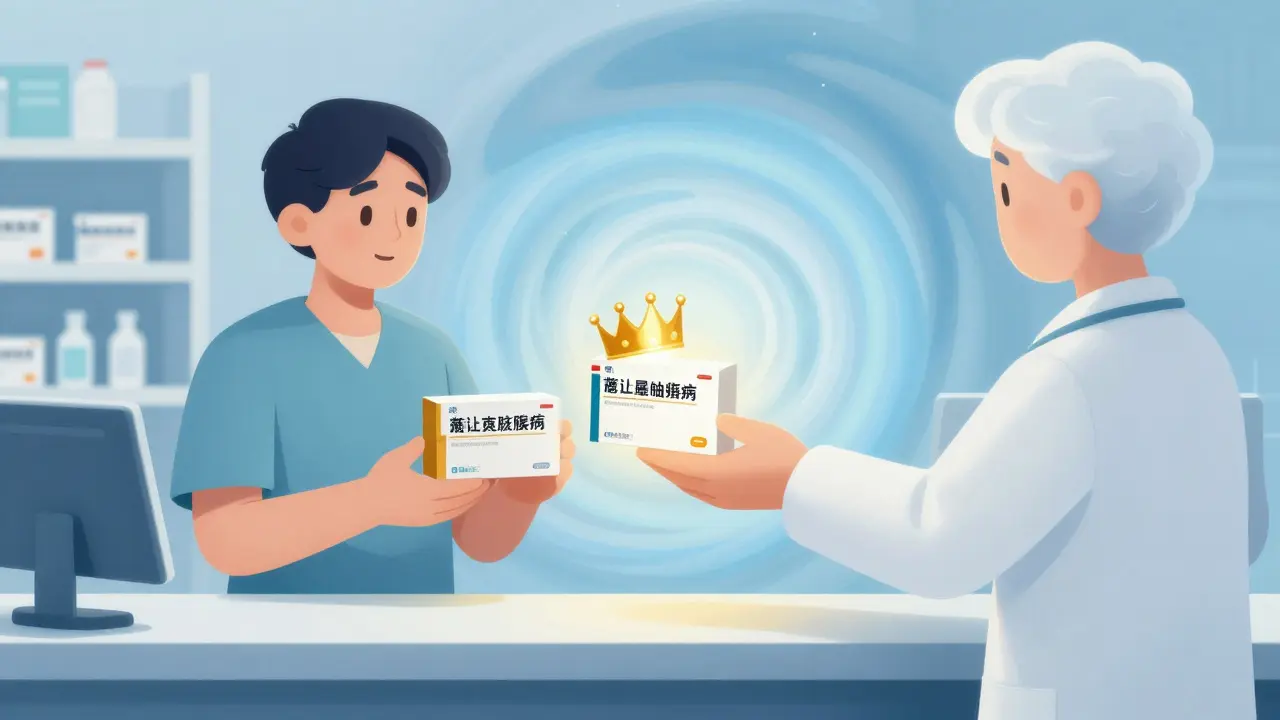
You’ve been taking the same brand-name medication for years. It works, you know what it looks like, and your insurance covers it. Then, one day, the pharmacist hands you a box that looks different. The price is lower, but the label doesn’t say the brand name you trust. Instead, it says “Authorized Generic.” You might wonder: Is this safe? Is it really the same medicine? And why does my insurance insist on switching me?
This scenario is becoming increasingly common in pharmacies across the United Kingdom and globally as pharmaceutical companies adjust their pricing strategies. An authorized generic is a version of a brand-name drug sold without the brand name label, produced by the original manufacturer. Unlike traditional generics made by third-party companies, an authorized generic is identical to the brand-name product in every way except the packaging. Understanding how these medications work can help you save money without compromising your health.
What Exactly Is an Authorized Generic?
To understand authorized generics, you first need to look at how drugs get approved. When a pharmaceutical company develops a new drug, they file a New Drug Application (NDA) with regulatory bodies like the FDA or EMA. This process involves extensive clinical trials to prove safety and efficacy. Once approved, the company gets patent protection, allowing them to sell the drug exclusively under a brand name for a certain period.
When patents expire, other manufacturers can produce generic versions. These traditional generics must go through an Abbreviated New Drug Application (ANDA) process, proving they are bioequivalent to the brand-name drug. However, the original brand manufacturer has a unique option: they can choose to sell their own product under a generic label. This is an authorized generic.
Here is the key distinction:
- Brand-Name Drug: Sold with the proprietary brand name and marketing.
- Traditional Generic: Made by a different company; must prove bioequivalence; may have different inactive ingredients (fillers, dyes).
- Authorized Generic: Made by the original brand company; uses the exact same formulation, active ingredients, and inactive ingredients; requires no new approval because it operates under the original NDA.
Because the authorized generic is physically the same pill as the brand-name version, it offers the therapeutic reliability of the brand with the cost structure of a generic. According to data from the Federal Trade Commission (FTC), authorized generics typically reduce prices by 8% to 18% compared to the brand-name list price.
Why Do Pharmaceutical Companies Create Them?
You might ask why a company would dilute its own brand equity by selling a cheaper version. The answer lies in market dynamics and exclusivity periods. Under laws like the Hatch-Waxman Act in the US, the first generic competitor to challenge a patent gets 180 days of exclusive marketing rights. During this window, only one generic can compete with the brand.
Brand manufacturers use authorized generics to enter this competitive space themselves. By launching an authorized generic during the 180-day exclusivity period, the brand company captures some of the generic market share that would otherwise go entirely to the competing generic manufacturer. This strategy keeps prices lower than the pure brand-name rate while maintaining revenue streams for the innovator company.
For patients, this corporate strategy has a direct benefit: immediate access to lower-cost options without waiting for multiple generic competitors to enter the market. Studies show that when authorized generics are available, retail drug prices drop significantly faster than in markets where only traditional generics compete.
Safety and Efficacy: Is It Really the Same?
The biggest concern for patients switching from brand to authorized generic is safety. Will it work the same? Will I experience different side effects?
The short answer is yes, it will work the same. Because the authorized generic is manufactured in the same facilities using the same processes as the brand-name drug, there is no variation in quality or potency. A 2018 study published in Health Affairs analyzed patient outcomes after switching to authorized generics versus traditional generics. The findings showed that patients using authorized generics had similar discontinuation rates and hospitalization risks as those using traditional generics or brand-name drugs.
However, there is one area where confusion often arises: appearance. Since authorized generics are not required to match the brand’s trademarked color or shape (unless specified by the manufacturer for identification purposes), the pill might look different. Some patients report anxiety when the pill changes color or shape, fearing it is a different medication. Pharmacists emphasize that these cosmetic changes do not impact the drug’s effectiveness. The active ingredient-the part that treats your condition-is identical.

Practical Steps for Switching Smoothly
If your prescription is being switched to an authorized generic, follow these practical steps to ensure a smooth transition.
- Verify the Product Status: Not all generics are authorized generics. Check if your medication is listed as an authorized generic. In the US, the FDA maintains a quarterly updated list of reported authorized generics. In other regions, consult your local regulatory body’s database. Knowing whether you are getting an AG helps manage expectations about appearance and pricing.
- Consult Your Pharmacist: Ask your pharmacist specifically if the dispensed medication is an authorized generic. They can confirm if it comes from the original manufacturer. If you have sensitivities to inactive ingredients (like dyes or fillers), note that authorized generics contain the exact same inactive ingredients as the brand, whereas traditional generics might differ.
- Review Insurance Coverage: Most health insurance plans automatically substitute authorized generics to reduce costs. Check your plan’s formulary. Sometimes, switching to an authorized generic moves your drug to a lower tier, reducing your out-of-pocket cost by $15-$30 per prescription. If you prefer the brand name, you may need to request a prior authorization, which could result in higher copays.
- Monitor for Changes: While clinically identical, individual responses can vary due to placebo effects or psychological factors related to the change in packaging. Keep a simple log of any symptoms for the first two weeks. If you notice issues, contact your healthcare provider immediately, though serious adverse events are rare and usually unrelated to the switch itself.
- Update Your Records: Ensure your medical records reflect the change. This is crucial for patients on complex regimens where multiple providers manage care. Clear documentation prevents accidental duplication or confusion during future refills.
Authorized Generics vs. Traditional Generics: A Comparison
| Feature | Brand-Name Drug | Authorized Generic | Traditional Generic |
|---|---|---|---|
| Manufacturer | Original Innovator | Original Innovator | Third-Party Company |
| Active Ingredients | Identical | Identical to Brand | Bioequivalent to Brand |
| Inactive Ingredients | Proprietary Formula | Identical to Brand | May Differ |
| Regulatory Approval | New Drug Application (NDA) | Covers under Original NDA | Abbreviated New Drug Application (ANDA) |
| Pricing | Highest | Lower than Brand (8-18% reduction) | Lowest (varies by competition) |
| Appearance | Trademarked Color/Shape | May Differ from Brand | Different from Brand |
This table highlights why authorized generics are a middle ground. They offer the quality assurance of the brand manufacturer at a price point closer to generics. For patients who have experienced sensitivity to specific fillers in traditional generics, authorized generics provide a safer alternative since the inactive ingredient profile remains unchanged.

Navigating Insurance and Cost Savings
One of the primary drivers for switching to authorized generics is cost. Insurance companies and pharmacy benefit managers (PBMs) actively promote these switches to control healthcare spending. Here is how to navigate this landscape:
Automatic Substitution: In many cases, your pharmacist will automatically dispense the authorized generic if it is available and covered by your insurance. You should receive a notification, but always check the label. If you prefer the brand, speak up before leaving the pharmacy counter.
Formulary Tiers: Insurance plans categorize drugs into tiers. Brand-name drugs are often in Tier 3 or 4, requiring high copays. Authorized generics may be placed in Tier 2 or even Tier 1, significantly lowering your cost. Check your plan’s online portal to see if the authorized generic version of your drug is listed separately with a preferred status.
Specialty Medications: For high-cost specialty drugs, the savings can be substantial. Some authorized generics for specialty medications have shown price reductions of over 20%. If you are on a specialty drug losing patent protection, ask your specialist if an authorized generic is available. It might require a brief discussion with your insurer, but the long-term savings are worth the effort.
Common Misconceptions About Authorized Generics
Misinformation can cause unnecessary stress when switching medications. Let’s address three common myths:
Myth 1: Authorized generics are “weaker” than brand names.
Fact: They are chemically identical. The manufacturing standards are the same because the same company makes both. There is no difference in potency or strength.
Myth 2: They are only available for cheap, common drugs.
Fact: Authorized generics are increasingly common for complex and specialty drugs. As biologic drugs lose patent protection, we expect to see more authorized versions entering the market, including biosimilars.
Myth 3: You can easily tell them apart at the pharmacy.
Fact: Without checking the National Drug Code (NDC) or asking the pharmacist, it can be difficult to distinguish an authorized generic from a traditional generic just by looking at the bottle. The packaging will lack the brand logo, but the drug name will remain the same.
Future Trends in Authorized Generics
The landscape of authorized generics is evolving. Regulatory bodies are increasing transparency. The FDA now requires detailed reporting of authorized generic introductions, making it easier for patients and providers to identify them. Additionally, pharmacy management systems are integrating alerts to notify pharmacists and patients when an authorized generic is dispensed instead of the brand.
Industry analysts predict a rise in authorized generics for biologics and complex molecules through 2028. As more blockbuster drugs face patent cliffs, brand manufacturers will likely continue to use authorized generics as a strategic tool to maintain market presence while offering cost-effective options. For patients, this means more opportunities to save money without sacrificing the trusted quality of brand-name formulations.
Is an authorized generic better than a traditional generic?
It depends on your priorities. If you want the lowest possible price, traditional generics are often cheaper due to higher competition. However, if you are concerned about inactive ingredients or have had sensitivities to fillers in traditional generics, an authorized generic is superior because it contains the exact same inactive ingredients as the brand-name drug. Both are safe and effective, but authorized generics offer the added assurance of identical manufacturing processes.
Can I refuse an authorized generic and keep my brand-name drug?
Yes, you can request the brand-name drug, but your insurance may not cover it fully. You might face higher copays or need prior authorization from your doctor. Always inform your pharmacist of your preference before they dispense the medication. If cost is a major factor, discuss with your provider whether the brand is medically necessary or if the authorized generic is a suitable alternative.
How do I know if my medication is an authorized generic?
You can check the FDA’s quarterly list of authorized generics in the US or consult your local regulatory agency’s database. Alternatively, ask your pharmacist directly. They can look up the National Drug Code (NDC) to verify the manufacturer. If the manufacturer is the same as the original brand-name company, it is an authorized generic.
Do authorized generics have the same side effects as brand-name drugs?
Yes, because the active and inactive ingredients are identical, the side effect profile is the same. Any differences in side effects reported by patients are usually anecdotal and may stem from psychological factors related to the change in packaging or pill appearance, rather than chemical differences.
Are authorized generics available for all brand-name drugs?
No, not all brand-name drugs have authorized generics. Approximately 20-25% of brand-name drugs with generic competition have authorized generic versions. The decision to launch an authorized generic is strategic and depends on the drug’s market position, patent status, and the manufacturer’s lifecycle management strategy.