
Generic vs Brand Medications: What Really Matters for Your Health
When you pick up a prescription, you might see two options: the familiar brand name or a cheaper generic. Generic medications, are FDA-approved copies of brand-name drugs with the same active ingredient, dosage, and intended effect. Also known as generic drugs, they’re not knockoffs—they’re required to meet the same strict standards for safety and effectiveness. But here’s the thing: even though they work the same way, they’re not always the same. The difference isn’t in what heals you—it’s in what’s holding it together.
Brand name drugs, are the original versions developed by pharmaceutical companies, often protected by patents for years before generics can enter the market. Once those patents expire, other manufacturers can make the same drug—but they don’t have to use the same fillers, dyes, or coatings. These extra ingredients are called excipients, inactive substances like lactose, corn starch, or artificial colors that help the pill hold shape, dissolve properly, or mask taste. For most people, that’s fine. But if you’re sensitive to gluten, dye, or certain preservatives, switching to a generic might cause side effects you didn’t have before. That’s not a failure of the generic—it’s a mismatch between your body and the formulation.
Then there’s therapeutic equivalence, the official rating the FDA gives to show that two drugs are interchangeable without affecting treatment outcomes. Most generics get an AB rating—meaning they’re considered bioequivalent. But for drugs with a narrow therapeutic index, like warfarin or levothyroxine, even tiny differences in absorption can matter. That’s why some states restrict automatic substitution for these meds. It’s not about distrust in generics—it’s about precision. A 5% change in blood levels might be fine for an antibiotic, but it could mean a stroke or seizure with a blood thinner.
You don’t need to avoid generics. In fact, they save billions every year and make treatment possible for people who otherwise couldn’t afford it. But you do need to pay attention. Check your pill’s shape and color when you refill. Ask your pharmacist if the manufacturer changed. If you feel different after switching—dizzy, nauseous, or just "off"—don’t brush it off. It might not be your condition flaring up. It might be the filler.
The posts below dig into exactly this: how to spot when a generic switch is safe, when it’s risky, and what to ask your doctor or pharmacist when something feels wrong. You’ll find real stories from people who reacted to excipients, state laws that block generic swaps for critical meds, and how manufacturing differences can quietly affect your health over time. This isn’t about choosing sides—it’s about knowing what’s in your hand, why it matters, and how to protect yourself.

How to Build Patient Confidence in Generic Medications: Proven Strategies Based on Research
Generic medications save billions but face low patient trust. Research shows clear, simple conversations with pharmacists and doctors can dramatically improve confidence in their safety and effectiveness.
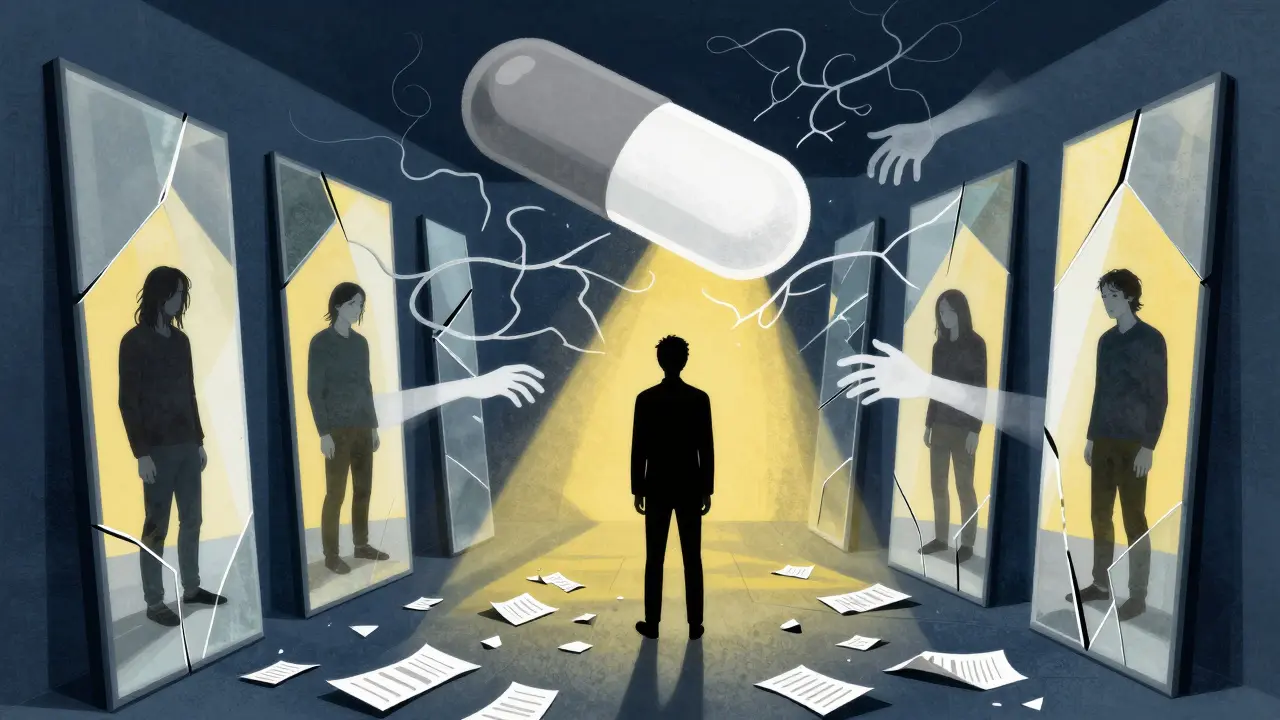
Medication Switching: How Changing Psychiatric Drugs Affects Your Mind
Changing psychiatric medications can trigger psychological distress, loss of self, and relapse-even when the new drug is "equivalent." Learn why switches affect your mind, how to protect yourself, and what the science says about generics, tapering, and trust in treatment.
About
Medications