
Medication Adherence: Why Sticking to Your Prescription Matters and How to Get It Right
When you take your medicine exactly as your doctor meant it, you're practicing medication adherence, the consistent and correct use of prescribed drugs over time. Also known as drug compliance, it's not just a habit—it's the foundation of treatment success for conditions like high blood pressure, diabetes, depression, and heart disease. But here’s the hard truth: nearly half of people don’t take their meds as directed. Not because they’re careless, but because it’s confusing, expensive, overwhelming, or they don’t feel immediate results.
Side effects, unwanted reactions from medications are one big reason people stop. A muscle ache from a statin, dizziness from blood pressure pills, or brain zaps when quitting antidepressants can make someone think the medicine is worse than the problem. But stopping without talking to a provider can lead to hospital visits, worsening illness, or even death. Then there’s pill taking, the daily action of swallowing tablets or liquids as scheduled. It sounds simple, but juggling multiple drugs at different times, remembering refills, dealing with insurance delays, or fearing interactions with supplements like green coffee extract or herbal tonics makes it harder than it looks.
What works isn’t just reminders or fancy apps. It’s understanding your own barriers—whether it’s cost, confusion, or fear—and finding simple fixes. Some people use pill organizers. Others link taking meds to daily routines like brushing teeth. Some need help from pharmacists during counseling, where asking back what they heard catches errors before they hurt. And for chronic conditions like diabetes or heart failure, knowing how to adjust meds during illness or manage sodium intake isn’t optional—it’s survival.
The posts below cover real stories and science behind why people miss doses, how to spot hidden risks like drug interactions or excipients in generics, and what actually helps people stick with their treatment. You’ll find practical tips for managing insulin on sick days, avoiding dangerous combos with stimulants, understanding why generic switches sometimes backfire, and how to talk to your pharmacist without feeling rushed. This isn’t about being perfect. It’s about staying safe, staying healthy, and making your meds work for you—not against you.

How to Use Text Message Reminders for Medication Schedules
Text message reminders significantly improve medication adherence by delivering timely, personalized prompts to take pills. Proven effective for HIV, diabetes, and heart conditions, they work best when timed correctly and tailored to the individual. Simple, free tools make them accessible to almost everyone.
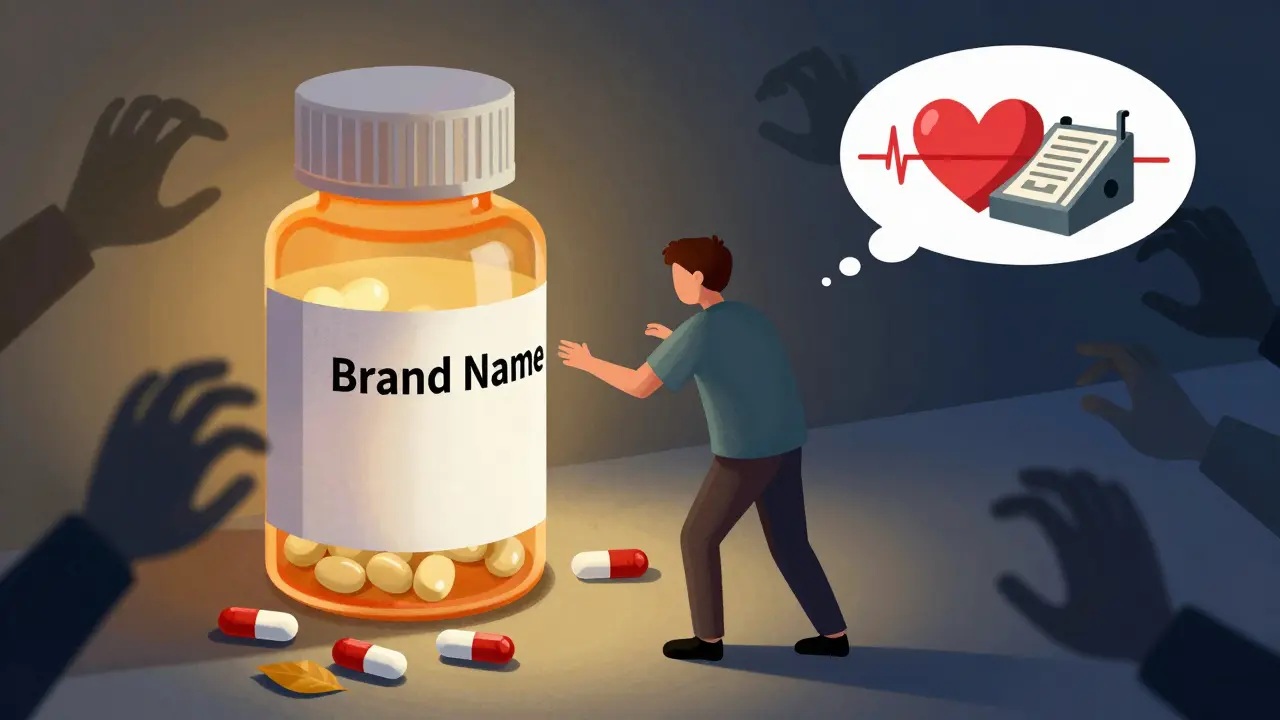
Behavioral Economics: Why Patients Choose Certain Drugs Over Others
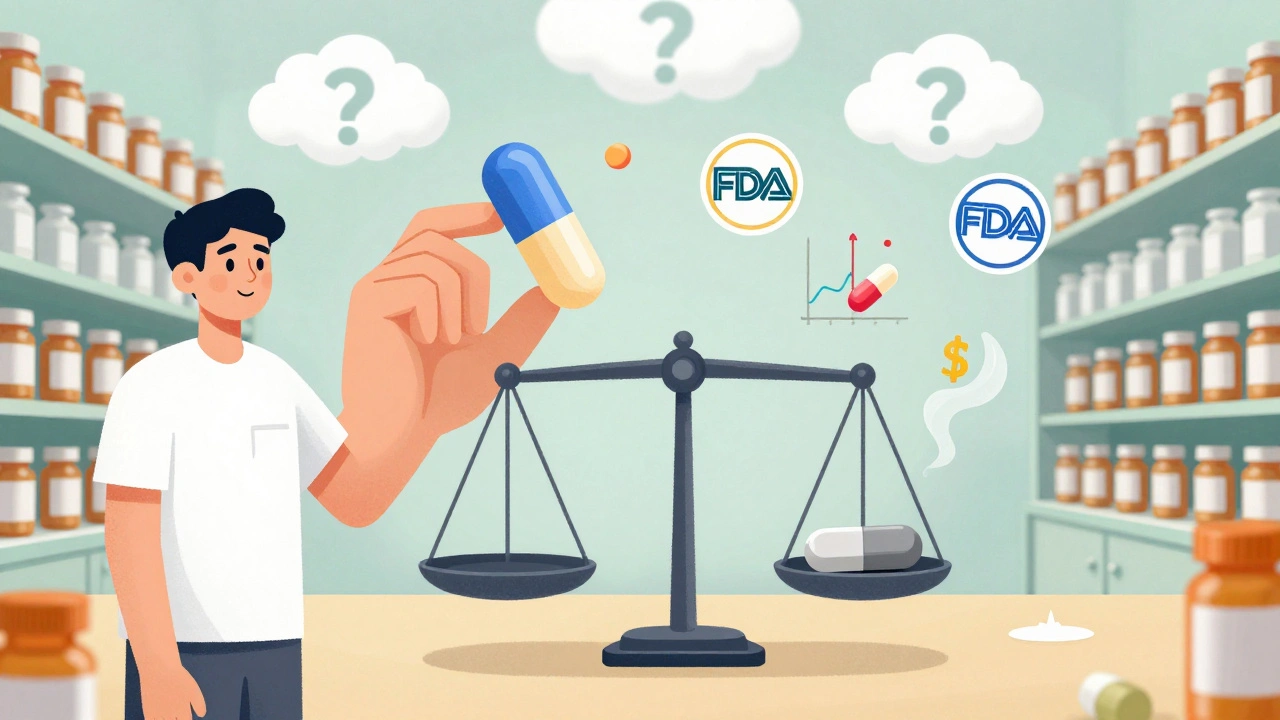
Behavioral economics explains why patients choose expensive drugs over cheaper alternatives, even when it's irrational. Discover the psychological triggers behind medication adherence-and how simple nudges can save lives.
About
Medications