
Opioid Side Effects: What You Need to Know Before Taking These Pain Medications
When you take opioids, a class of powerful pain-relieving drugs that include oxycodone, hydrocodone, morphine, and fentanyl. Also known as narcotics, they work by binding to nerve receptors in your brain and spinal cord to block pain signals. But they don’t just stop pain—they change how your body and brain respond to it over time. That’s why opioid side effects go far beyond drowsiness or constipation. Many people don’t realize how quickly tolerance builds, or how easily dependence can turn into addiction—even when taken exactly as prescribed.
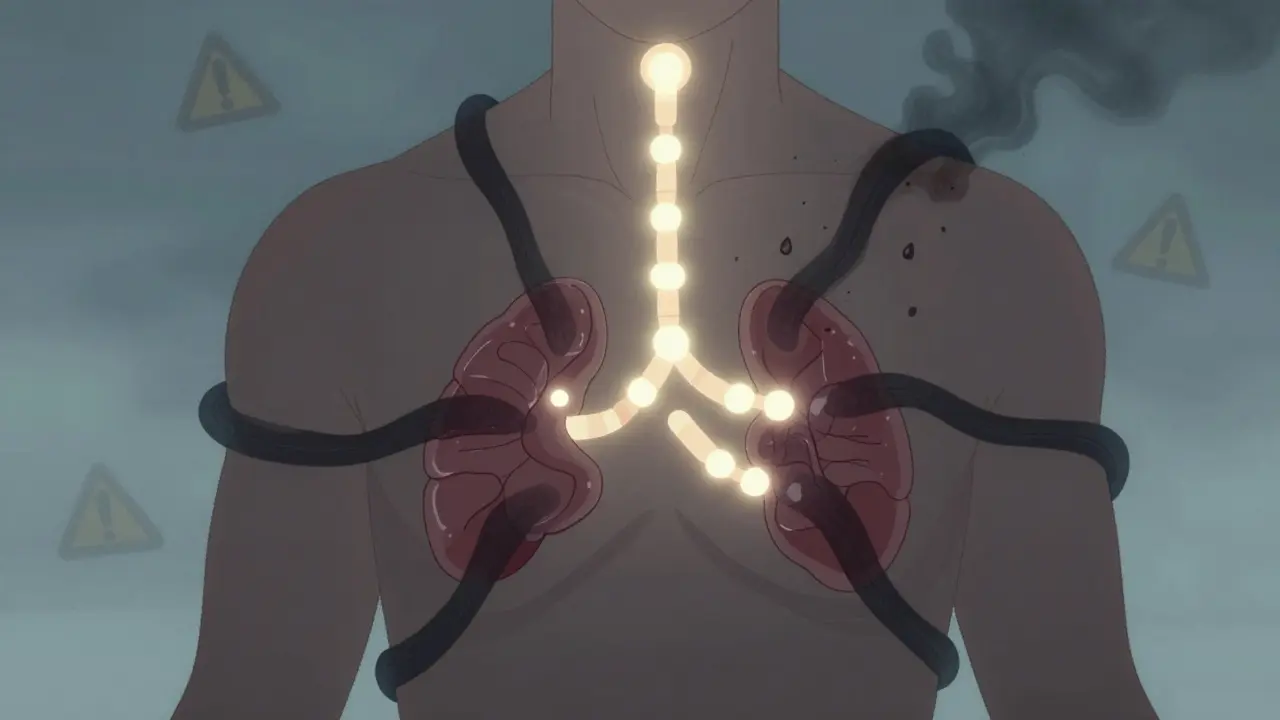
One of the most dangerous opioid side effects, respiratory depression. Also known as slowed breathing, it’s the leading cause of death in opioid overdoses. This isn’t rare. The CDC reports that over 70,000 opioid-related overdose deaths happened in the U.S. in 2021 alone. Risk goes up if you mix opioids with alcohol, benzodiazepines, or sleep aids. Even a small increase in dosage can tip someone into respiratory failure. Older adults, people with lung conditions, or those on long-term therapy are especially vulnerable.
Then there’s opioid dependence, a physical state where your body relies on the drug to function normally. Also known as physical addiction, it doesn’t mean you’re a drug addict—it just means your brain adapted. Stop taking the drug suddenly, and you’ll face opioid withdrawal, a painful set of symptoms including nausea, muscle aches, anxiety, and insomnia. Also known as detox symptoms, they can start within hours and last for days. Many people quit because they can’t handle the discomfort, not because they want to. That’s why doctors now recommend gradual tapering and sometimes use medications like buprenorphine to ease the transition.
Constipation is another side effect that’s often ignored. It’s not just annoying—it can lead to bowel obstruction if left unchecked. Nausea and dizziness are common too, especially when you first start. Some people feel emotionally flat, like they’ve lost their motivation or joy. That’s not just "feeling down." It’s the drug altering your brain’s natural reward system.
What you won’t find in the prescription label? The fact that many people start with a legitimate injury—back pain, surgery, dental work—and end up stuck on a drug they can’t quit. That’s not weakness. It’s biology. And it’s why understanding opioid side effects isn’t just about avoiding danger—it’s about knowing when to ask for help, when to push back on prescriptions, and when to explore safer alternatives like physical therapy, NSAIDs, or nerve blocks.
The posts below cover real stories and science behind opioid use—from how withdrawal feels, to how doctors manage chronic pain without opioids, to what to do if someone you know is struggling. No fluff. Just clear, practical info to help you make smarter choices about pain treatment and stay safe.
Opioids and Adrenal Insufficiency: A Rare but Dangerous Side Effect You Need to Know
Opioid-induced adrenal insufficiency is a rare but life-threatening side effect of long-term opioid use. Learn how it develops, who’s at risk, and why a simple blood test could save your life.
About
Medications