
Statin Side Effects: What You Need to Know Before You Take Them
When your doctor prescribes a statin, a class of drugs used to lower LDL cholesterol and reduce heart attack risk. Also known as HMG-CoA reductase inhibitors, these medications have helped millions avoid cardiovascular events—but they don’t come without possible downsides. Many people take them without issue, but others notice changes they didn’t expect: muscle aches, fatigue, or even brain fog. The key isn’t to avoid statins altogether—it’s to understand what’s normal, what’s warning, and what to do next.
One of the most common concerns is muscle pain, a symptom that affects up to 10% of users and often leads people to stop taking their medication. It’s not always easy to tell if it’s the statin or just aging, overtraining, or another condition. Real-world data shows that switching to a different statin or lowering the dose often helps. Then there’s liver enzyme changes, a lab finding that doesn’t always mean damage, but still needs monitoring. Most elevations are mild and go away on their own. But if you’re also taking other drugs—like certain antibiotics or grapefruit juice—you might be increasing your risk of side effects. That’s why statin interactions, especially with common over-the-counter supplements or prescription meds. matter more than most patients realize.
Some people worry about diabetes risk, memory loss, or even kidney damage. The science says these are rare or unproven for most users. What’s proven? Statins save lives. But if you’re feeling off, it’s not "just in your head." Your body might be giving you a signal. The posts below cover real cases: how one person managed muscle pain without quitting statins, why some generics trigger different reactions than brand names, what to ask your pharmacist about timing and diet, and how to spot the difference between normal side effects and something serious. You’ll find practical advice from people who’ve been there—not just textbook warnings. If you’re on a statin, or thinking about it, these insights could help you stay on track without unnecessary fear.
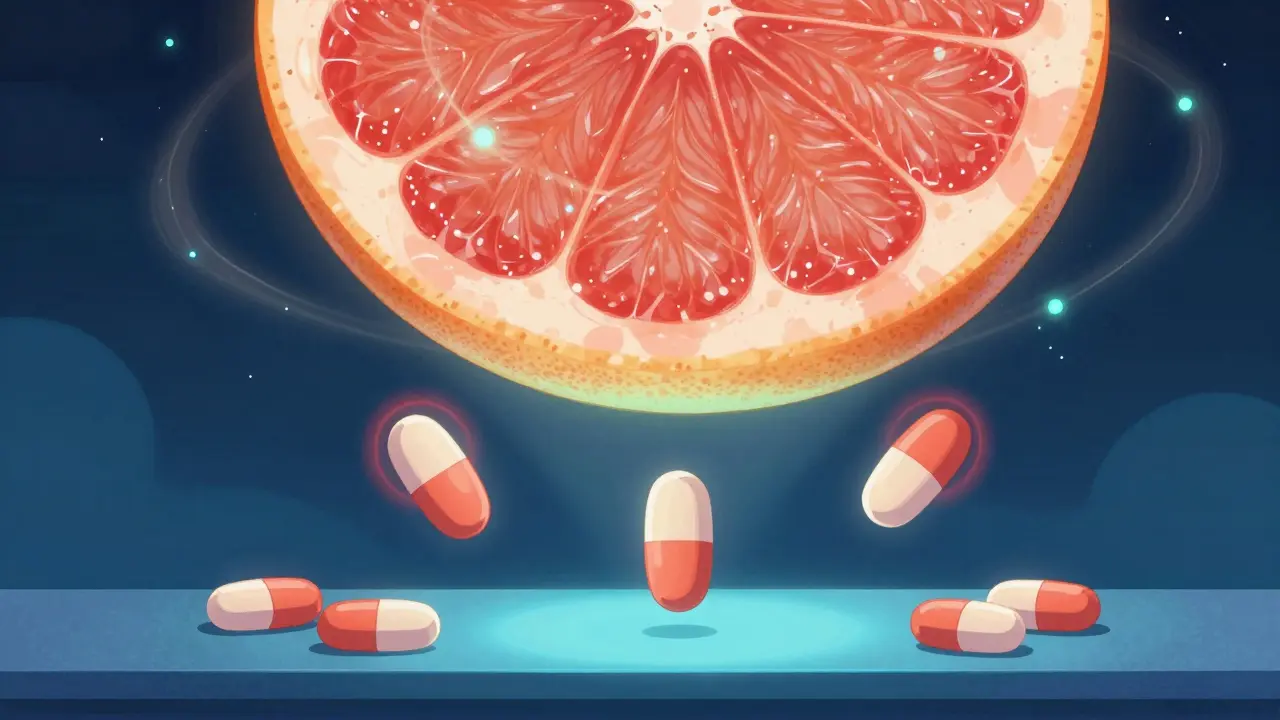
Grapefruit and Statins: How Much Is Dangerous?
Grapefruit can dangerously raise statin levels in the blood, increasing risk of muscle damage. Learn which statins are affected, how much grapefruit is risky, and what to do if you love citrus but take cholesterol meds.
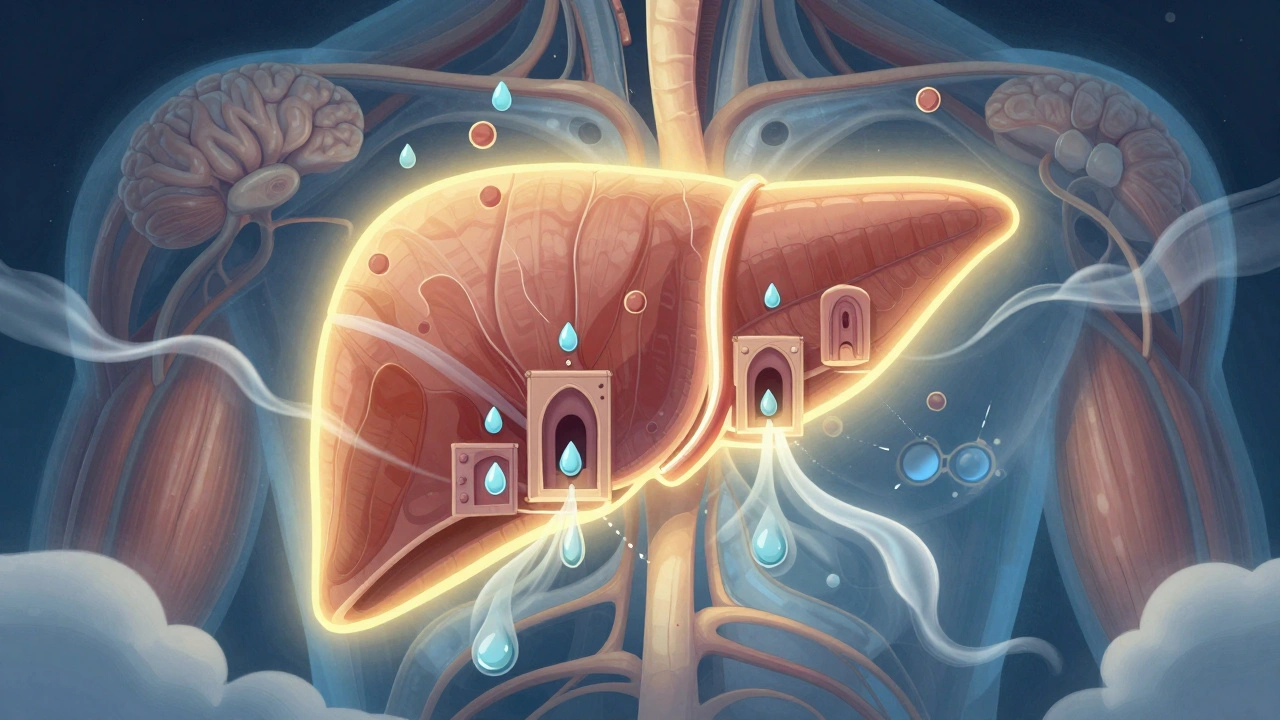
Hydrophilic vs Lipophilic Statins: What You Need to Know About Side Effects
Understanding the difference between hydrophilic and lipophilic statins helps explain why some people experience muscle pain or other side effects. Not all statins work the same way, and your best choice depends on your health, age, and other meds.
About
Medications