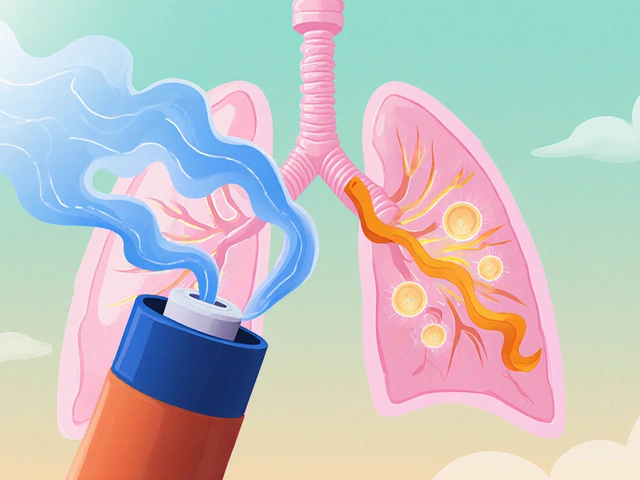

Buprenorphine Ceiling Effect Simulator
Adjust the dosage slider below to see how increasing the dose affects Respiratory Depression (breathing suppression) for Buprenorphine versus Full Agonists like Methadone or Heroin. Notice how Buprenorphine's risk plateaus while full agonists continue to rise linearly.
Buprenorphine Profile
- Receptor Binding: High affinity, partial activation.
- Ceiling Point: Respiratory depression plateaus around 24mg.
- Safety: Significantly lower risk of fatal overdose when used alone.
Full Agonist Profile
- Receptor Binding: Variable affinity, full activation.
- Ceiling Point: None. Effects increase linearly with dose.
- Safety: High risk of respiratory failure as dose increases.
Imagine a medication that stops the crushing cravings of opioid addiction without putting you at risk of stopping breathing if you take too much. That is the promise of buprenorphine, a partial mu-opioid receptor agonist used to treat opioid use disorder (OUD) and manage pain. Unlike full opioids like heroin or oxycodone, buprenorphine has a built-in safety limit known as the "ceiling effect." This unique property makes it one of the safest medications available for treating addiction, but it also comes with a specific set of side effects and usage rules that patients need to understand.
If you are considering this medication or have just started taking it, you probably have questions. Will it make me feel high? What happens if I miss a dose? Is it truly safe from overdose? The answers lie in how this drug interacts with your brain’s receptors. Let’s break down the science, the side effects, and the reality of living on buprenorphine.
The Ceiling Effect: Why Buprenorphine Is Safer Than Full Opioids
The term "ceiling effect" sounds technical, but the concept is simple. With most opioids, there is a linear relationship between dose and effect. If you take twice as much morphine, you get twice the pain relief-and twice the respiratory depression (slowed breathing). This is why overdoses happen so easily with full agonists; there is no natural stop sign.
Buprenorphine works differently. It binds tightly to the mu-opioid receptors in your brain-about 25 to 50 times stronger than morphine-but it only activates them partially. Think of it like pressing the gas pedal in a car halfway down. No matter how hard you press, the car won’t go faster than that half-pressed limit. Clinical studies show that while buprenorphine provides significant pain relief and craving reduction, its ability to suppress breathing plateaus at higher doses. Specifically, research indicates that respiratory depression hits a ceiling at doses above 24 mg per day. Taking more than this does not significantly increase the risk of fatal respiratory failure, which is the primary cause of death in opioid overdoses.
This endpoint-specific nature means that while your breathing stays relatively stable, other effects might continue to change slightly. However, the euphoric "high" also tends to plateau. Patients taking 16 mg daily report minimal additional subjective effects compared to those taking 8 mg. This lack of escalating euphoria reduces the potential for misuse, making it a cornerstone of medication-assisted treatment (MAT).
| Feature | Buprenorphine (Partial Agonist) | Methadone/Heroin (Full Agonists) |
|---|---|---|
| Receptor Binding | High affinity, partial activation | Variable affinity, full activation |
| Respiratory Depression | Ceiling effect (plateaus ~24mg) | No ceiling; risk increases with dose |
| Euphoria Potential | Limited; plateaus at therapeutic doses | Linear; increases with dose |
| Overdose Risk | Low when used alone | High |
| Dosing Frequency | Once daily or less (long-acting) | Multiple times daily or daily clinic visits |
Common Side Effects: What to Expect
While buprenorphine is safer regarding overdose, it is not free of side effects. Because it still acts on opioid receptors, it shares some common symptoms with other opioids, though they are often milder. Here is what clinical data and patient reports suggest:
- Constipation: Reported by about 12% of patients. This is very common with any opioid because these drugs slow down gut motility. Increasing fiber and water intake helps, but many patients eventually need stool softeners.
- Headaches: Around 18% of patients experience headaches, especially during the first few weeks as the body adjusts. These usually subside over time.
- Sedation and Dizziness: You might feel tired or lightheaded initially. Most people find that this wears off after a few days. Unlike full agonists, buprenorphine rarely causes heavy sedation once stabilized, allowing patients to work and function normally.
- Nausea: Some patients feel nauseous, particularly if they take the medication on an empty stomach or if the dose is increased too quickly.
- Sweating and Hot Flashes: As your body detoxifies from other opioids, you may experience sweating. This is often part of the withdrawal process rather than a direct side effect of the drug itself.
A critical issue to watch for is precipitated withdrawal. This occurs if you start buprenorphine while other full opioids are still in your system. Because buprenorphine binds so tightly to receptors, it kicks the weaker opioids off, leaving the receptors unactivated. This triggers sudden, intense withdrawal symptoms. To avoid this, doctors typically wait until you are in mild-to-moderate withdrawal before starting your first dose. About 25% of improper inductions lead to this uncomfortable scenario, so following your doctor’s timing instructions is crucial.

The Danger of Mixing Substances
Here is where the "safe" label needs a major caveat. While buprenorphine has a ceiling effect for respiratory depression, that protection disappears if you mix it with other central nervous system (CNS) depressants. A 2022 study in the Journal of Addiction Medicine documented fatal overdoses involving buprenorphine, and every single case involved combinations with benzodiazepines (like Xanax or Valium), alcohol, or other sedatives.
When you combine buprenorphine with these substances, they attack your breathing control through different pathways. The ceiling effect protects against opioid-induced respiratory depression, but it does not protect against the additive sedative effects of benzos or alcohol. This combination can be lethal. If you are prescribed buprenorphine, it is vital to be honest with your provider about any other substances you are using. There are safer ways to manage anxiety or sleep issues that do not involve mixing CNS depressants.
Buprenorphine vs. Methadone: Choosing the Right Treatment
Methadone is the other primary medication for OUD. Both are effective, but they serve different needs. Methadone is a full agonist, meaning it fully activates opioid receptors. It requires daily visits to specialized clinics in many regions, whereas buprenorphine can often be prescribed in a regular doctor’s office (thanks to reforms like the MAT Act of 2021).
Methadone might be better for individuals with severe dependence who need higher levels of receptor activation to suppress cravings completely. However, it carries a higher risk of overdose and requires more strict monitoring. Buprenorphine offers more flexibility and a better safety profile for most patients. Recent innovations like weekly injections (Sublocade) have made buprenorphine even more convenient, with trials showing nearly half of patients achieving continuous abstinence for over six months.
Managing Your Dosage and Long-Term Use
Most patients stabilize on a dose between 8 mg and 16 mg daily. Going beyond 24 mg rarely adds benefit due to the ceiling effect, though some individuals with chronic pain alongside OUD may require higher doses under strict medical supervision. The key is finding the lowest dose that keeps you comfortable and craving-free.
Consistency matters. Buprenorphine has a long half-life, staying in your system for hours. Missing a dose can lead to mild withdrawal symptoms later. If you forget a dose, take it as soon as you remember, but don’t double up. Stick to your schedule to maintain stable blood levels.
Remember, buprenorphine is a tool, not a cure. It manages the physical aspects of addiction, giving you the stability to focus on therapy, counseling, and rebuilding your life. The American Society of Addiction Medicine emphasizes that medication should be part of a comprehensive program including psychosocial support. Combining medication with behavioral therapy yields the best long-term outcomes.
Can you overdose on buprenorphine alone?
It is extremely rare to fatally overdose on buprenorphine alone due to its ceiling effect on respiratory depression. However, non-fatal overdoses can occur, causing severe sedation or vomiting. The risk becomes life-threatening primarily when buprenorphine is mixed with other CNS depressants like alcohol or benzodiazepines.
How long does it take for buprenorphine to start working?
Most patients begin to feel reduced cravings and relief from withdrawal symptoms within 30 to 60 minutes of taking a sublingual dose. Peak effects usually occur within a few hours. Consistent daily use stabilizes these effects over several days.
What is precipitated withdrawal and how do I avoid it?
Precipitated withdrawal happens when buprenorphine displaces full opioids from your receptors before your body is ready, causing sudden, intense withdrawal. Avoid it by waiting until you are in mild-to-moderate withdrawal (as measured by a clinical scale like COWS) before taking your first dose. Follow your doctor’s induction protocol strictly.
Does buprenorphine cause constipation?
Yes, constipation is a common side effect, affecting about 12% of users. It results from slowed gut movement. Manage it by drinking plenty of water, eating high-fiber foods, and using over-the-counter stool softeners if necessary. Talk to your doctor if it persists.
Is buprenorphine addictive?
Buprenorphine is physically dependent, meaning your body adapts to it. However, it has a lower potential for psychological abuse and misuse compared to full opioids due to its ceiling effect on euphoria. It is designed to be taken long-term to manage addiction safely, similar to insulin for diabetes.