
Category: Medications - Page 3
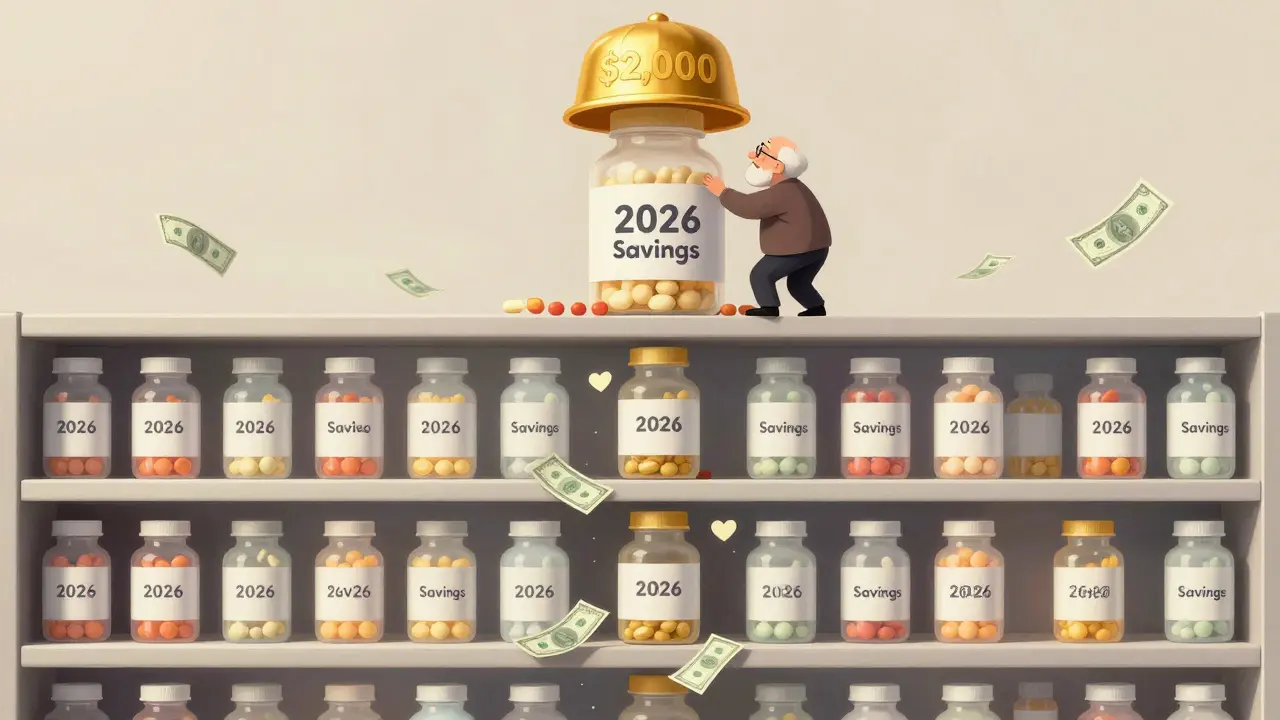
How Medicare Part D Generics Save Money on Copays in 2026
Medicare Part D's 2025 reforms cut out-of-pocket costs for generics to a $2,000 annual cap, saving beneficiaries hundreds or thousands yearly. Learn how copays, formularies, and Extra Help work in 2026.
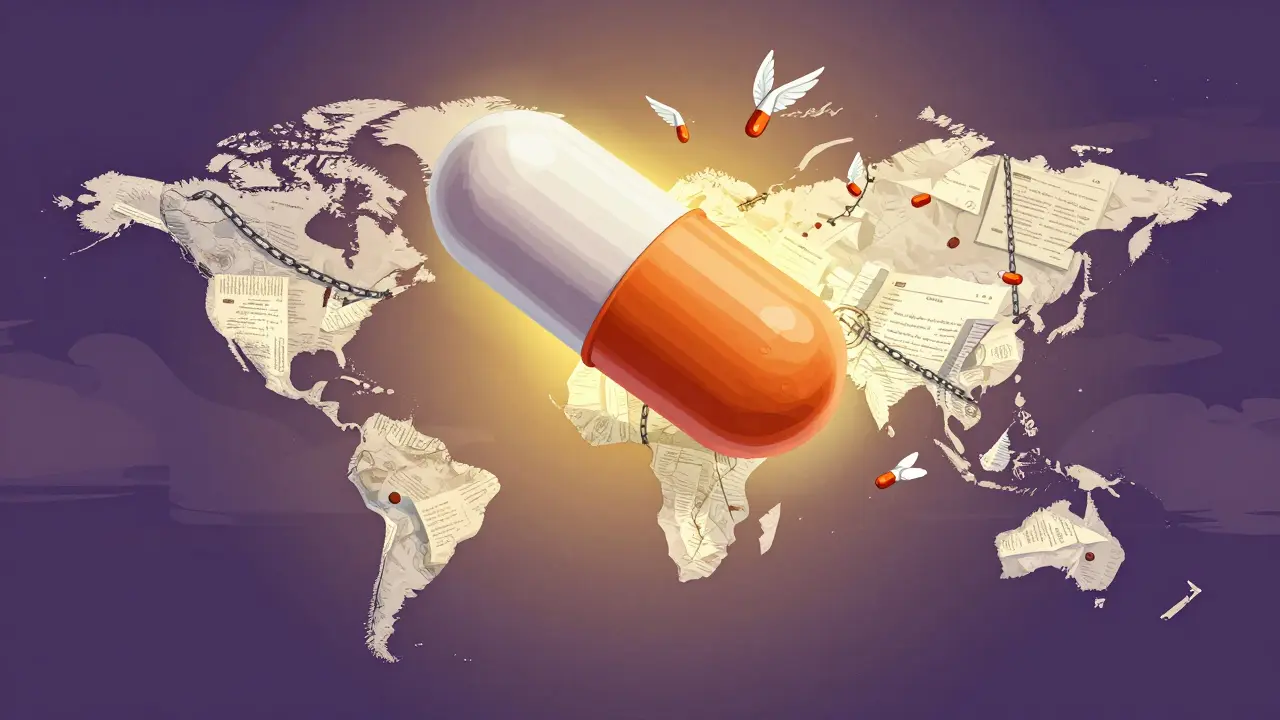
How TRIPS Agreements Shape Global Access to Generic Medicines
The TRIPS agreement reshaped global access to medicines by enforcing strict patent rules that often block affordable generics. This article explains how patent policies under the WTO affect drug prices, who wins and loses, and why millions still can't get life-saving treatments.

Metformin Side Effects: What You Need to Know About GI Issues and Lactic Acidosis
Metformin is the most common diabetes medication, but stomach issues and rare lactic acidosis risks are real. Learn what’s normal, what’s dangerous, and how to stay safe while taking it.
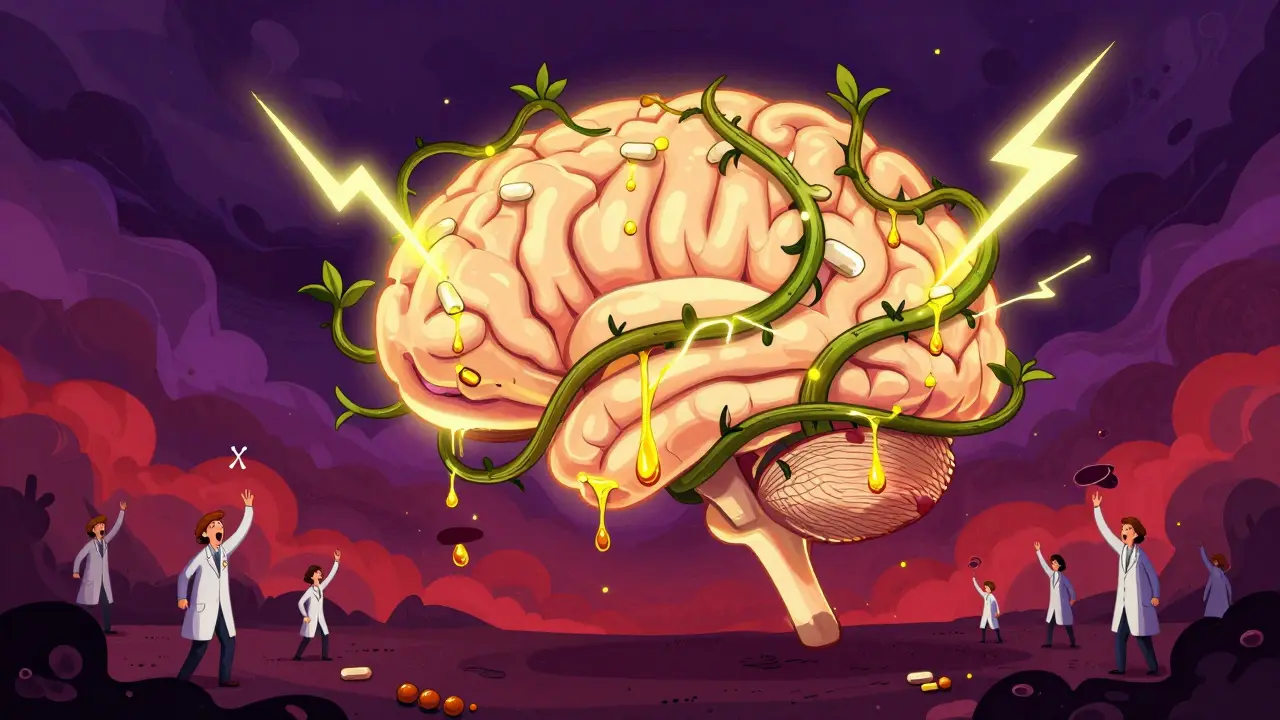
St. John’s Wort and SSRIs: The Hidden Danger of Serotonin Syndrome
Combining St. John’s Wort with SSRIs can cause serotonin syndrome-a life-threatening condition. Learn why this herbal supplement is dangerously incompatible with common antidepressants and what to do if you're taking both.

Post-Heart Attack Life: Medications, Diet, and Activity
After a heart attack, recovery means taking the right meds, eating heart-healthy food, and moving safely. Cardiac rehab is essential for rebuilding strength and reducing future risk. This guide covers what to expect and how to stay on track.
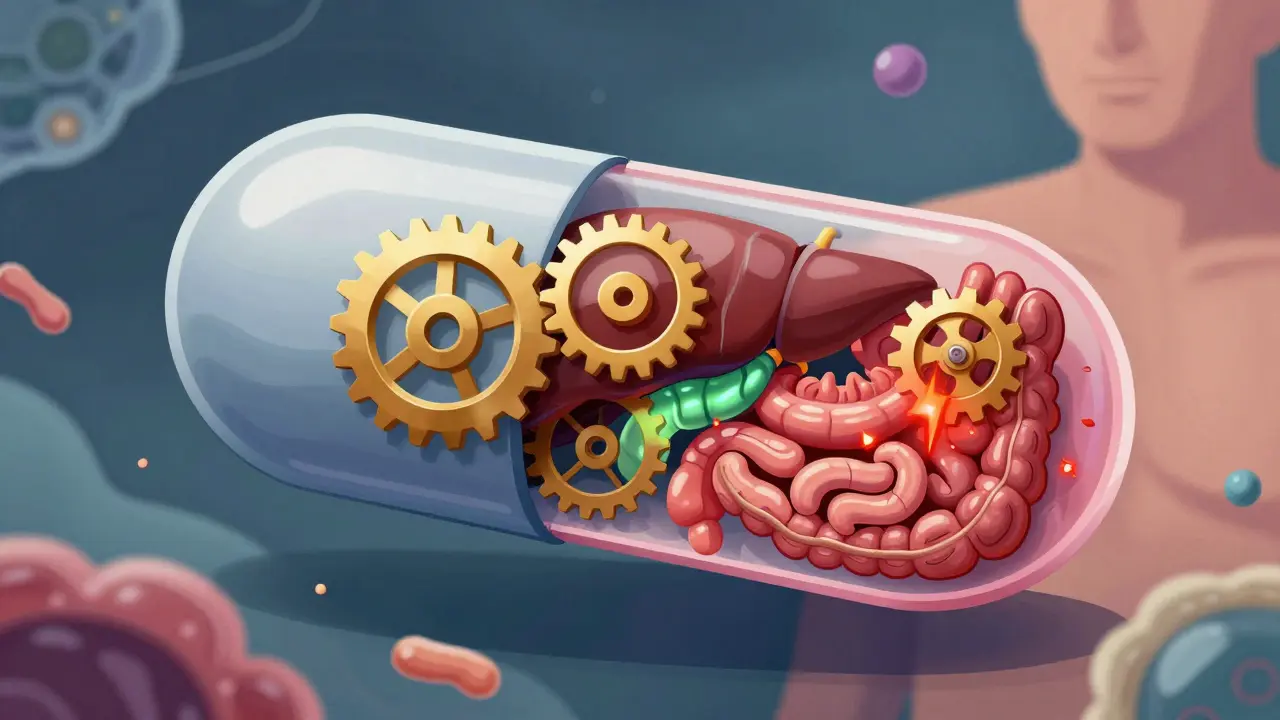
On-Target vs Off-Target Drug Effects: How Side Effects Really Happen
Learn how on-target and off-target drug effects cause side effects, why some drugs have more unexpected reactions than others, and how scientists are designing safer medications using advanced screening methods.
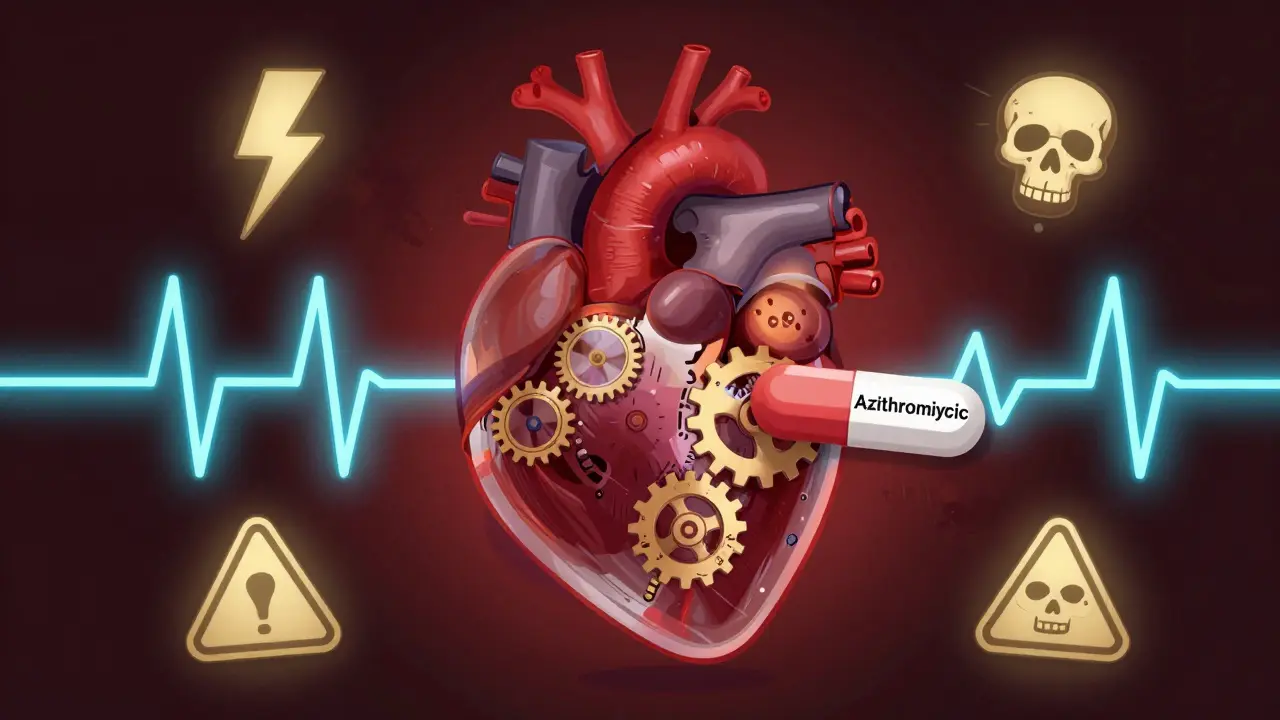
Macrolide Antibiotics and Heart Arrhythmias: Understanding QT Prolongation Risk
Macrolide antibiotics like azithromycin and clarithromycin can prolong the QT interval, increasing the risk of life-threatening heart arrhythmias. Learn who’s at risk, how to stay safe, and what alternatives exist.
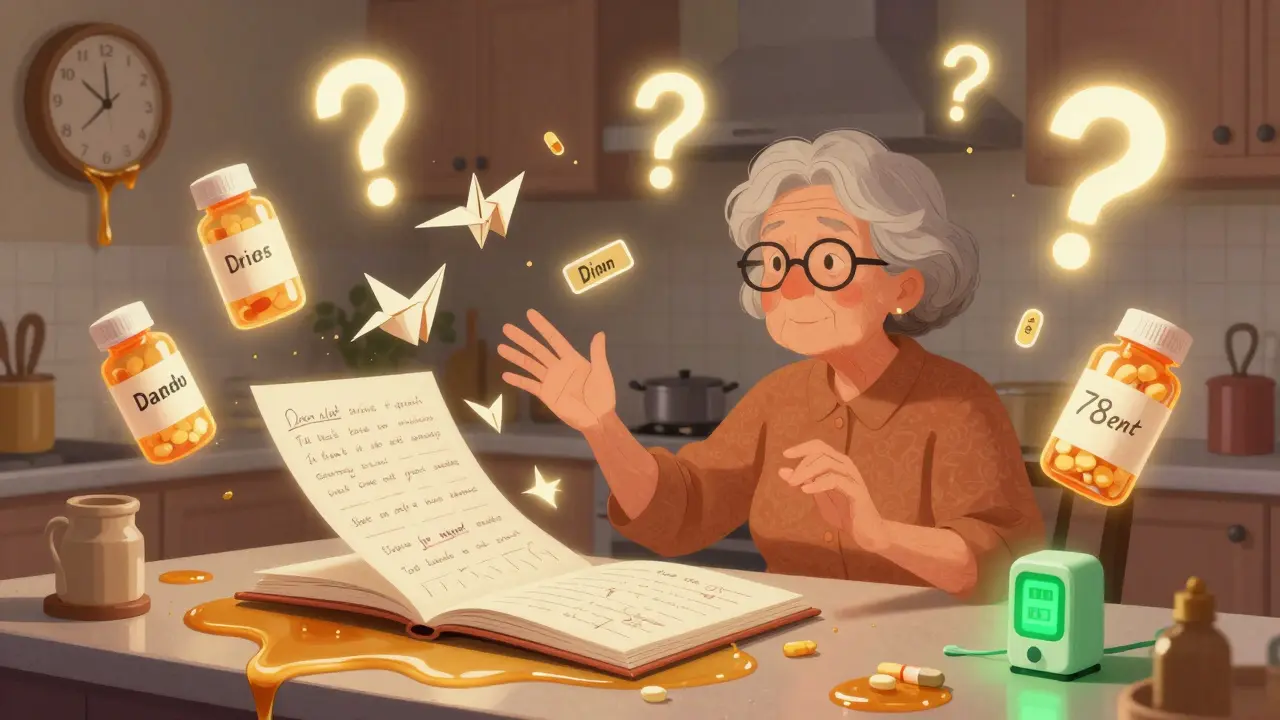
Medication Safety at Home: How to Build a No-Mistake System That Actually Works
Build a foolproof home medication system with simple steps: keep an updated list, choose the right tool, set it up right, manage changes, and never skip human check-ins. Reduce errors, avoid hospital trips, and keep loved ones safe.
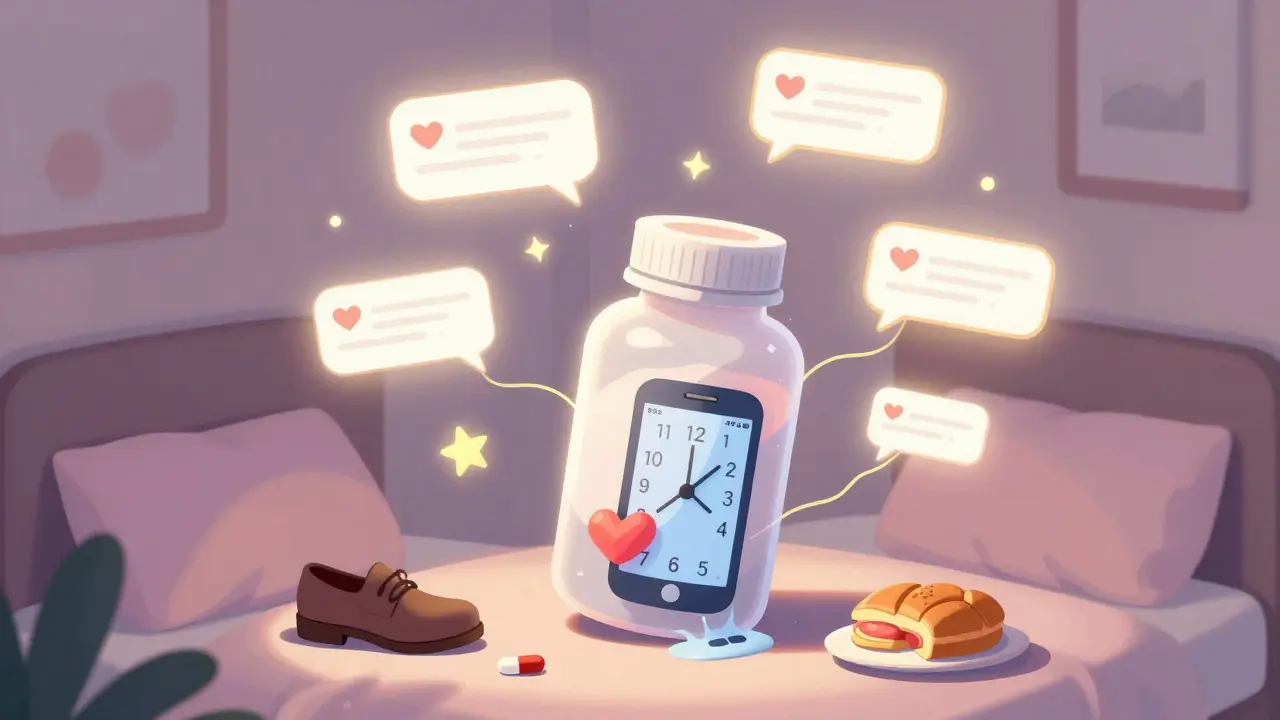
How to Use Text Message Reminders for Medication Schedules
Text message reminders significantly improve medication adherence by delivering timely, personalized prompts to take pills. Proven effective for HIV, diabetes, and heart conditions, they work best when timed correctly and tailored to the individual. Simple, free tools make them accessible to almost everyone.

Clinical Outcomes with Biosimilars: Do They Work as Well as the Original Biologics?
Biosimilars are highly similar to original biologics and have been proven in over 300 real-world studies to work just as well. They’re safer, cheaper, and increasingly the standard of care.
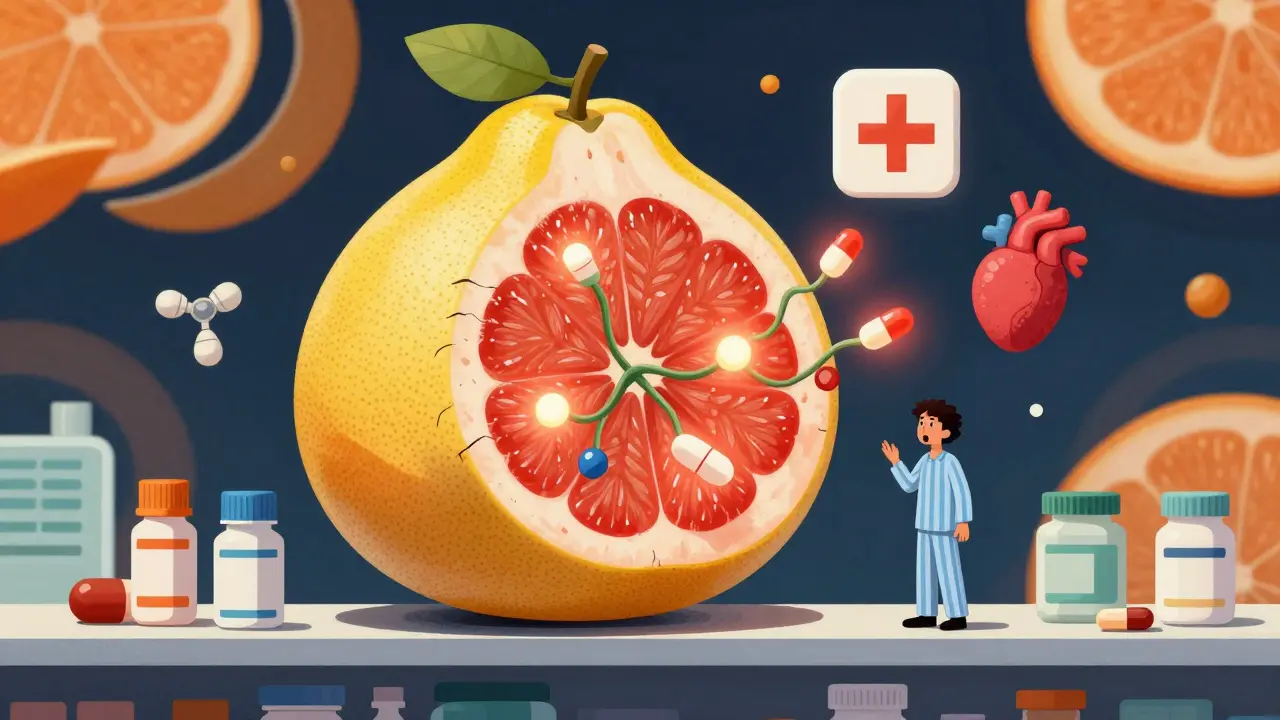
Citrus Fruits Beyond Grapefruit: Pomelo and Seville Orange Effects on Drugs
Pomelo and Seville orange can be just as dangerous as grapefruit when taken with certain medications. Learn which drugs are affected, how these citrus fruits interact, and what you need to do to stay safe.
About
Medications